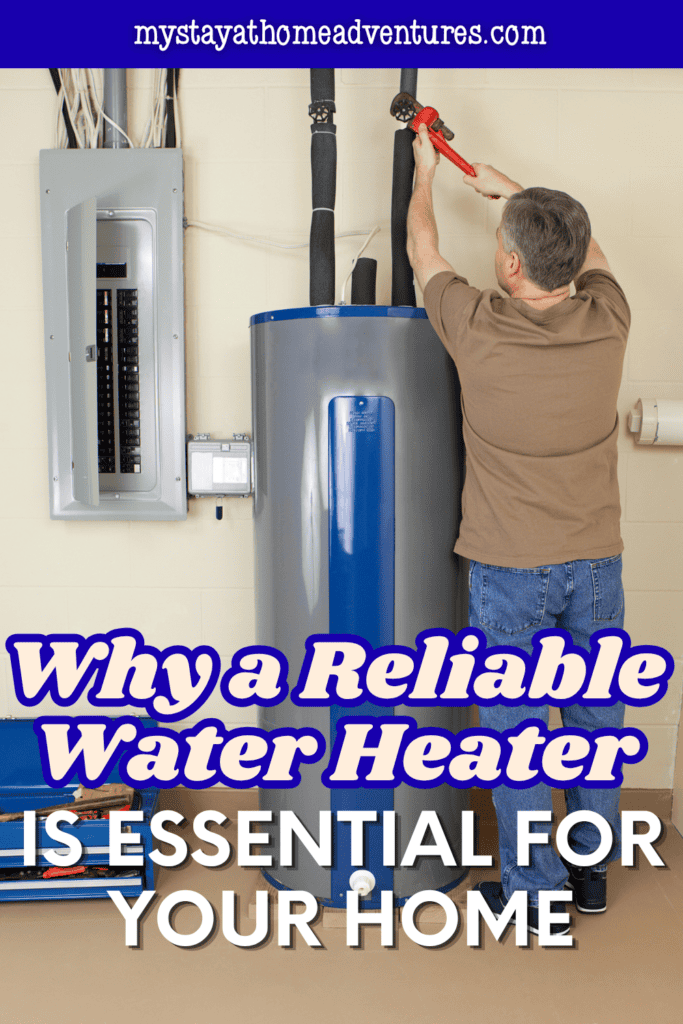
Why a Reliable Water Heater Is Essential for Your Home
This post may contain affiliate links which might earn us money. Please read my Disclosure and Privacy policies here
A dependable water heater is one of the most important components of a comfortable and functional home. Although it often operates quietly in the background, your water heater supplies the hot water needed for showers, washing dishes, doing laundry, cleaning, and many other everyday activities.
When the system begins to struggle or stops working altogether, homeowners quickly realize how much they depend on it.
Understanding how your water heater works, recognizing signs of potential problems, and keeping up with regular maintenance can help you get reliable performance from the system while reducing the risk of unexpected breakdowns.
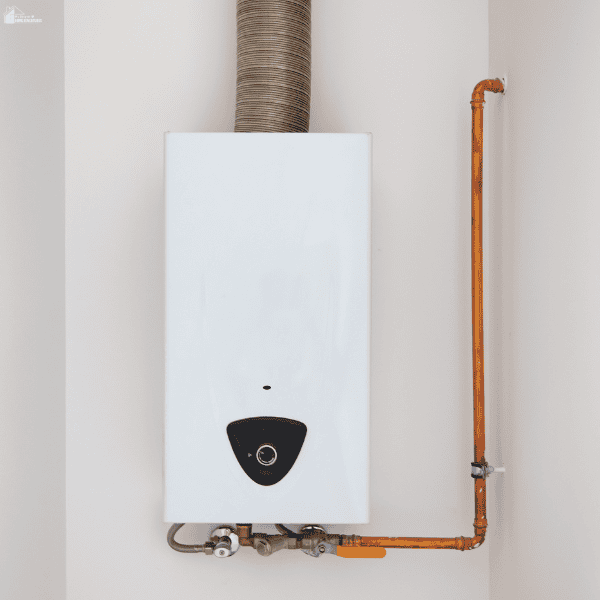
The Importance of a Dependable Water Heater
Modern households can use a significant amount of hot water throughout the day. From morning showers to evening cleanup, the water heater must continually meet the demands of the household.
A properly sized and professionally installed system should provide consistent hot water without requiring excessive energy. However, an older or inefficient water heater may take longer to heat water, struggle to maintain the desired temperature, or cause utility costs to increase.
Homeowners experiencing these problems may want to have the system evaluated before a small issue becomes a larger repair.
Working with a company that provides professional water heater services in Indianapolis can help homeowners determine whether maintenance, repair, or replacement is the most appropriate solution for their home.
Common Signs of Water Heater Problems
Water heaters often provide warning signs before they completely fail. Recognizing these symptoms can help homeowners address problems earlier.
One common warning sign is inconsistent water temperature. If your shower suddenly becomes cold or the water never gets as hot as it once did, the system may have a failing heating element, thermostat problem, burner issue, or another mechanical concern.
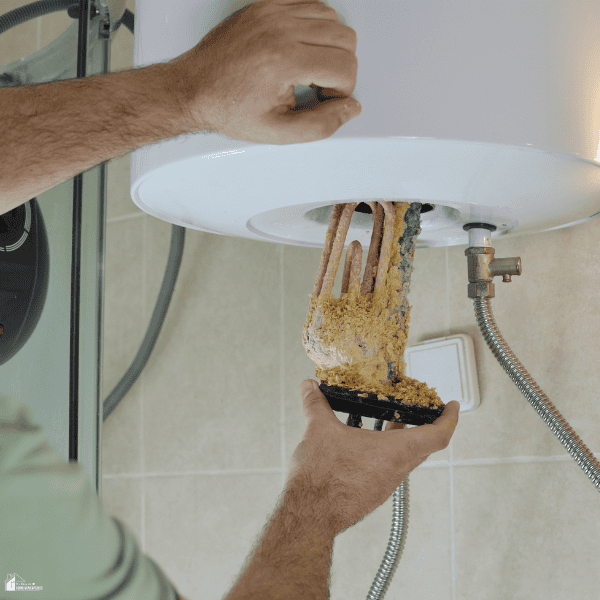
Unusual noises can also indicate trouble. Sediment naturally accumulates at the bottom of many tank-style water heaters. Over time, this buildup can cause popping, rumbling, or banging sounds as the unit heats the water.
Leaks should always be investigated promptly. Water around the bottom of the tank could originate from a connection, valve, or the tank itself. A leaking tank may eventually require replacement, particularly if corrosion has developed.
Discolored or rusty-looking hot water can be another indication that the water heater needs attention. Depending on the situation, the problem could involve the tank, anode rod, plumbing, or water quality.
Maintaining Your Water Heater
Regular maintenance can help improve the performance and longevity of a water heater. Tank-style systems may benefit from periodic flushing to remove sediment that settles at the bottom of the tank.
Heavy sediment accumulation can reduce efficiency because the heating system must work through the buildup to heat the water. In some situations, sediment can also contribute to noise and premature wear.
The anode rod is another important component. Sometimes called a sacrificial anode rod, it is designed to corrode before the metal tank does. Inspecting and replacing the rod when necessary can help protect the tank from corrosion.
Homeowners should also periodically look around the water heater for signs of moisture, corrosion, or damaged connections. Discovering a small leak early can prevent water damage and potentially avoid a more expensive problem.
When Should You Replace a Water Heater?
Not every water heater problem requires replacement. Many components can be repaired, especially when the unit is relatively new and otherwise in good condition.
However, replacement may make more financial sense when a system becomes older and requires increasingly frequent repairs. Homeowners may also consider replacement when the tank begins leaking or when the existing system can no longer provide enough hot water for the household.
A newer water heater may provide additional advantages, including improved energy efficiency and more consistent performance.