Structural vs Cosmetic Damage — Why Insurers Draw the Line Differently
This post may contain affiliate links which might earn us money. Please read my Disclosure and Privacy policies here
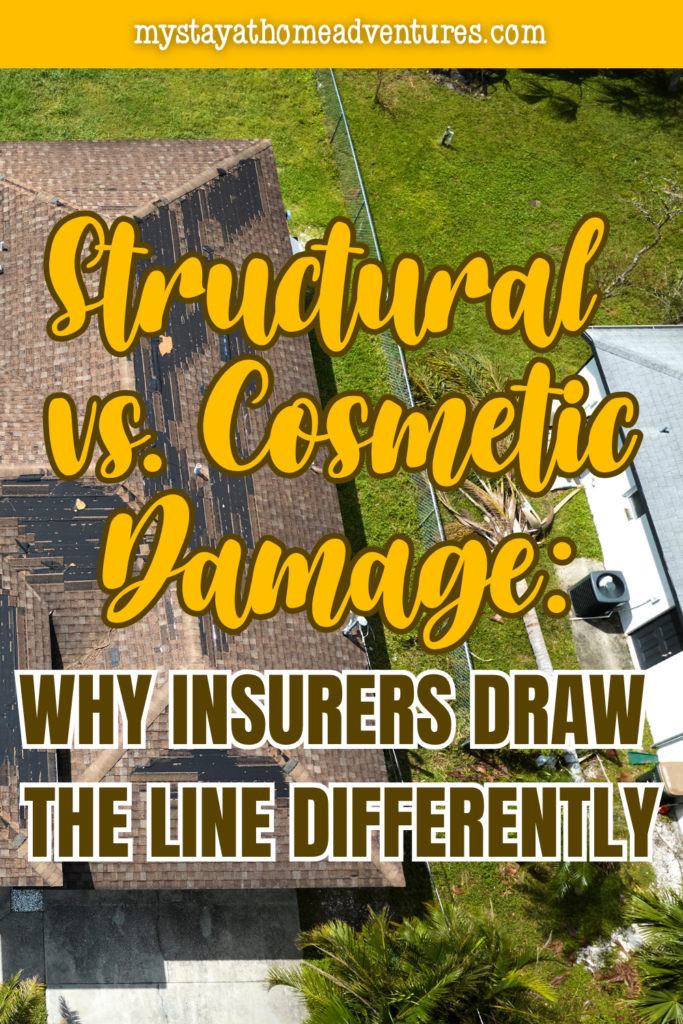
After a hurricane, insurers often dispute not what the storm damaged, but how they classify it. A roof may show lifted shingles, granule loss, and dented vents while the decking and trusses still appear unchanged from the street.
Visible storm signs can support a claim, but how the file describes the damage can still determine payment.
Claim classification shapes the repair scope, the valuation method, and the items approved for payment. Policy terms such as direct physical loss, functional damage, and actual cash value can narrow recovery even when the storm impact is easy to photograph.
A rushed inspection that skips the attic or limits test squares can lock in a cosmetic finding before inspectors fully document the roof system’s condition. Next, compare the physical evidence, policy terms, and inspection notes side by side.
Structural vs Cosmetic Defined
Homeowners challenging a low hurricane roof claim often find that the core dispute starts with how the insurer classifies the damage.
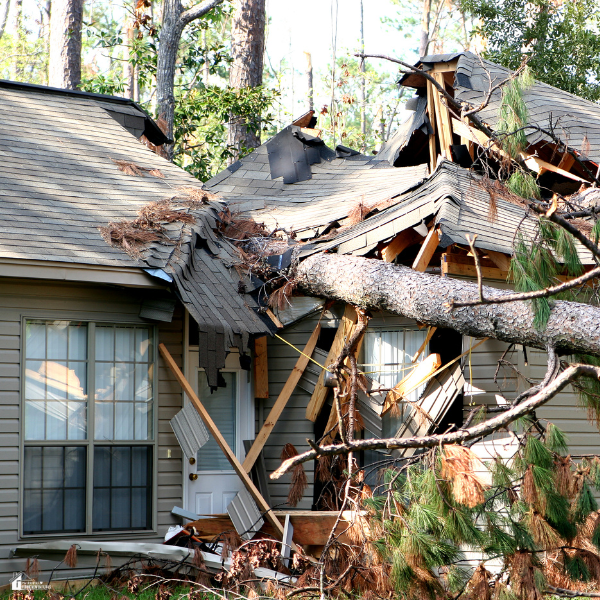
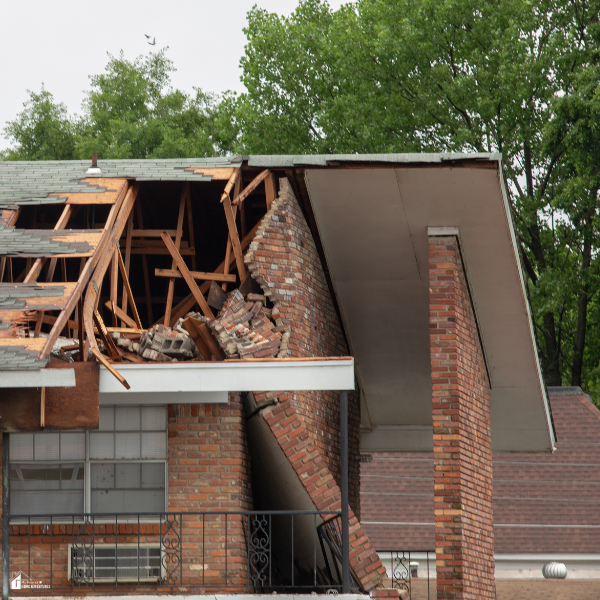
A hurricane insurance lawyer may examine that classification closely when cracked roof decking, separated framing connections, displaced fasteners, or a racked wall line point to conditions that affect stability, load transfer, or water resistance.
Insurers treat those conditions as structural when the storm changed how the building carries weight or protects the interior from wind-driven rain. Insurers usually limit cosmetic damage to surface-level changes they say do not materially reduce function.
Disputes become harder when visible damage cannot be repaired in isolation, increases leakage risk, or requires disturbing adjacent materials to complete a proper repair.
Shingle damage, dented metal, or exterior marks may look minor in photos, but the scope can expand when contractors must remove or replace underlayment, flashing, or connected components to restore the system correctly.
That classification line can decide if the claim supports full restoration or only a narrow patch.
Policy Language That Determines Payouts
Policy forms often define loss in narrow ways, and the adjuster’s write-up tends to follow that wording line by line. Terms such as “direct physical loss” and “functional damage” can require a measurable change in performance, not just visible impact.
When insurers use this interpretation, they may limit payment to items they say no longer work as intended, even if the rest of the system shows similar storm effects.
Valuation language can reduce the payout even when coverage is approved. “Actual cash value” typically applies depreciation, and roof age schedules can increase that deduction once the roof reaches certain age brackets.
Exclusions tied to prior wear or maintenance can separate pre-existing conditions from storm damage and shift the scope away from full replacement. Ask the carrier to cite the exact clause used for any reduction and show where it appears in the estimate.
Inspection Gaps That Change Classifications
Photos from the yard rarely show what’s happening under the roof covering, and many storm inspections stay limited to exterior slopes and a brief walk-around.
When the adjuster does not enter the attic, check decking from below, or look for cracked truss plates and displaced fasteners, the file can miss conditions tied to wind uplift and water entry.
These blind spots make it easier to treat the loss as a surface issue, even when structural elements were stressed.
Once the initial report frames the damage as cosmetic, later decisions tend to follow that track in the estimate and the carrier’s internal review. Re-inspections often focus on the same visible areas unless the documentation points to specific locations, dates, and measurements that justify opening concealed spaces.
A complete file should show what inspectors examined, note what they did not access, and include any available moisture readings, attic photos, and decking observations documented during the inspection.
Financial Impact of Misclassification
A structural classification can expand the estimate from a limited repair to a broader scope that includes the larger roof or wall system and any related code upgrades.
That scope may include underlayment, flashing, ventilation components, decking sections, permit charges, disposal, and other items required to restore the damaged area to current standards. Payment rises because the repair method reaches beyond the visible surface and addresses the full system affected by the storm.
When insurers treat the same storm effects as cosmetic, they may limit payment to patching, spot replacement, or a small number of material swaps. That narrower scope can leave the property owner paying for matching issues, permit-related costs, repeated labor visits, and related repairs discovered after work begins.
Review the estimate line by line, then ask the carrier to explain each omitted item through the policy language and any applicable code requirements.
Challenging the Insurer’s Position
A denial or low scope often comes back with a short explanation and an estimate that only covers isolated items, leaving out connected materials and code-required work.
When the carrier classifies the loss as cosmetic, the written file usually lacks supporting measurements, substrate notes, or photos from concealed areas.
Start a focused response by lining up the estimate, the adjuster’s notes, and the specific policy sections used to support the classification.
Contractor assessments and supplemental claims carry more weight when they document locations, quantities, test results, and repair constraints that affect function and water resistance.
A supplement should attach clear photos, moisture readings if available, manufacturer instructions, and local code citations that explain why a limited repair won’t restore the system.
Keep communication tight and traceable by asking questions in writing and requesting written answers tied to the policy terms and the carrier’s own inspection record.
Accurate classification is the line that determines how far a hurricane claim can go, from limited patching to a repair scope that addresses structural stress, water resistance, and code-related work.
The strongest position comes from records that connect each damaged component to storm impact, repair method, and policy support.
Keep dated photos, attic observations, decking notes, measurements, contractor findings, and estimate comparisons in one organized file.
If the insurer applies a cosmetic label to limit payment, request the exact policy basis, inspection support, and estimate reasoning in writing, then answer with a focused supplement built on documented repair facts.