The Small Home Habits That Save You Time And Money
This post may contain affiliate links which might earn us money. Please read my Disclosure and Privacy policies here
There’s a certain kind of stress that comes from feeling like your home is constantly on the verge of something going wrong.
Nothing major, just… little things stacking up.
A tap that’s not quite right.
A drawer that sticks every time you open it.
Something making a noise that it definitely didn’t make before.
I used to ignore all of it.
Not because I didn’t care—but because none of it felt urgent enough to deal with in the middle of everything else. Life, kids, work, meals… you tell yourself you’ll get to it later.
But “later” is usually when it turns into something more expensive, more annoying, and way more time-consuming than it needed to be.
Over time, I’ve realized that keeping a home running smoothly isn’t about big cleaning days or major renovations. It’s about small habits. The kind that don’t look impressive, but quietly save you a lot of stress.

Start Noticing Before Things Break
One of the biggest mindset shifts for me was this: stop waiting for things to break.
Instead, just start noticing.
Not in an obsessive way—just paying a bit more attention to how things feel day to day.
- Does a door suddenly need more force to close?
- Is your shower pressure slightly different than usual?
- Is something taking longer to heat, cool, or charge?
These tiny changes are usually the first sign that something’s off.
And catching it early often means a simple fix instead of a full replacement.
This applies even more if you have any kind of equipment at home—whether it’s for DIY, a side hustle, or even cooking tools that rely on accuracy. Over time, things can drift without you realizing. That’s why services like a proper pipette calibration service exist.
Not just for labs, but for anyone who relies on precision. It’s one of those behind-the-scenes things that keeps everything working the way it should.
You don’t need to overthink it, but it’s worth remembering that accuracy isn’t permanent. It fades slowly.
The “I’ll Deal With It Later” Trap
We all do it.
You notice something small, and your brain immediately files it under “not urgent.”
And to be fair, it’s not urgent. Until it is.
The tricky part is that most home issues don’t stay small. They grow quietly.
That loose handle becomes a broken one.
That slow drain becomes a clogged pipe.
That strange noise becomes something you suddenly have to fix.
What’s helped me is creating a simple rule:
If it takes less than 15 minutes, do it now.
No overthinking. No adding it to a list that you’ll forget about.
And if it’s something I don’t understand? I don’t guess anymore. I take a few minutes to learn more about whatever system or product I’m dealing with first. It sounds obvious, but it saves so much time compared to trial-and-error fixes that don’t actually solve the problem.
Your Tools Matter More Than You Think
This is something I completely overlooked for years.
We all have tools in the house—basic ones, random ones, things we’ve collected over time. But most of us don’t maintain them, and we rarely question whether they’re still working properly.
We just assume they are.
But tools wear out. They lose accuracy. They stop performing the way they used to.
And when that happens, even simple jobs become frustrating.
You tighten something… but it still feels loose.
You measure something… and it doesn’t quite line up.
You fix something… and then have to redo it.
That’s not always a skill issue—it’s often a tool issue.
Looking at more precise equipment, like what you’d find on this website, really puts it into perspective. Professionals rely on accuracy because guessing leads to mistakes, waste, and repeated work.
You don’t need professional-grade everything—but having tools you trust (and occasionally checking that they’re still doing their job properly) makes a huge difference.
Cleaning as Maintenance (Not Just Appearance)
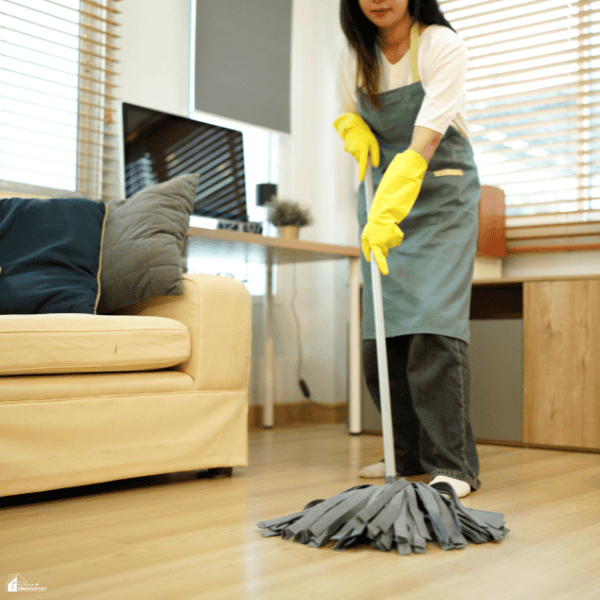
It’s easy to think of cleaning as something you do so your home looks nice.
But it’s actually one of the most important forms of maintenance.
When you start looking at it that way, it changes how you approach it.
Dust isn’t just messy—it affects air quality.
Grease isn’t just unpleasant—it damages surfaces over time.
Moisture isn’t just annoying—it leads to mold (which is a whole other level of problem).
Instead of doing big, exhausting deep cleans, I’ve found it’s much easier to do smaller, consistent “maintenance cleans.”
Nothing intense. Just enough to stop buildup from happening in the first place.
A few things that make a big difference:
- Wiping kitchen counters daily (even when they look fine)
- Doing a quick sink and tap clean every couple of days
- Keeping an eye on corners, edges, and hidden spots
- Drying areas that tend to stay damp (bathrooms, laundry areas)
It’s less about effort and more about consistency.
The 5-Minute Reset That Actually Works
I used to roll my eyes at this kind of advice, but it genuinely works.
At the end of the day, before going to bed, do a quick 5-minute reset.
That’s it.
- Clear the main surfaces
- Put a few things back where they belong
- Straighten up the living area
You’re not cleaning the whole house—you’re just stopping it from getting worse overnight.
And the difference it makes in the morning is huge.
Instead of waking up to yesterday’s mess (which somehow always feels more overwhelming the next day), you start with a space that feels manageable.
It’s one of those small habits that quietly keeps everything under control.
Seasonal Maintenance (Without the Overwhelm)
The idea of “spring cleaning” always felt like too much to me.
An entire day (or weekend) of deep cleaning? No thanks.
What works better is breaking it into smaller, seasonal check-ins.
Every few months, I’ll spend a couple of hours doing light maintenance:
- Checking for anything that needs fixing
- Cleaning things that don’t get daily attention (like vents or behind furniture)
- Looking at appliances and making sure they’re still working properly
- Noticing anything that might need replacing soon
It’s not intense. It’s just… intentional.
And it keeps everything from building up into a massive task later.
The Stuff You Don’t See Matters Most
One thing I’ve learned is that the most important parts of your home are often the ones you don’t see.
Behind appliances.
Inside systems.
Under sinks.
In storage spaces you barely think about.
It’s easy to ignore these areas because they’re not visible—but they’re usually where problems start.
Even just occasionally checking these spaces can save you from surprises later.
You don’t need to go digging through everything every week. Just make it part of your seasonal rhythm.
Give Yourself Systems, Not Pressure
A lot of home advice makes it feel like you need to do everything perfectly.
Perfect cleaning routines.
Perfect organization.
Perfect maintenance schedules.
That’s not realistic.
What actually works is having simple systems you can stick to—even on busy days.
Things like:
- A quick daily reset
- A “fix it now if it’s quick” rule
- Occasional check-ins instead of big overhauls
It’s not about doing more. It’s about making things easier on yourself.
A Home That Feels Calm to Live In
At the end of the day, this isn’t really about cleaning or maintenance.
It’s about how your home feels.
When things are working properly, when small issues aren’t piling up, when your space isn’t constantly demanding your attention—it creates a kind of calm that’s hard to describe.
You’re not always thinking about what needs fixing.
You’re not overwhelmed by everything at once.
You’re just… living in your home, instead of managing it all the time.
And that comes from small habits.
Quiet ones.
Unimpressive ones.
The kind that no one really notices—until everything just works.
That’s the goal, really.
Not perfection. Just a home that doesn’t fight you every day.