
What to Consider When Remodeling on a Tight Budget
This post may contain affiliate links which might earn us money. Please read my Disclosure and Privacy policies here
A sticky cabinet door can turn dinner prep into a real headache. Most families spot these small issues long before planning a full renovation. Even when money feels tight, you can still make smart upgrades.
Start by treating your remodel like a regular household bill. Experienced crews like Remodel Masters always tackle scope and cost first. That approach stops you from blowing cash on finishes too early.

Set a Real Budget Before You Pick Finishes
Picking out tile samples feels exciting, but numbers should always come first. Too many homeowners fall for pretty finishes before knowing actual costs. Getting your budget locked down early prevents sticker shock down the road.
Write Down Your Actual Spending Limit
Start with what you can pay in cash without stretching yourself thin. Then figure out what monthly payment still fits your regular expenses. Add a cushion for hidden problems behind walls and under floors.
Many homeowners keep ten percent aside just for surprise repairs only. Keep every quote, receipt, and paint sample together in one place. A simple budget binder printables setup tracks room costs and key dates.
If you plan to borrow, set your max before meeting any contractors. Lock in that number and stick with it no matter what comes up.
Sort Your Project Into Three Buckets
Before you price out cabinets, break your project into clear groups. Use must fix, nice to have, and save for later as your categories. This makes cutting things way easier when costs start creeping up.
You protect the important repairs and push back the fun extras. Use a simple worksheet to keep the numbers honest when comparing quotes.
- Room goals: List each space with one problem and one expected outcome.
- Cost ranges: Use local bids for labor and materials instead of online guesses.
- Hidden fees: Add permits, delivery charges, and disposal into your total.
- Drop points: Pick which upgrades you will cut if costs climb too high.
Pick Changes That Improve Daily Life First
A tight budget means you need to spend where it matters most daily. Focus on the rooms your family uses the most every single morning. Kitchens, bathrooms, and entryways deserve your money before anything else.
Put Function Ahead of Style
Fresh lighting, better storage, and a solid faucet change daily routines fast. These practical upgrades beat a trendy backsplash every time on a budget. If your home needs safety repairs like bad wiring, handle those first.
Cosmetic updates can always wait a bit longer without causing real problems. Some simple budget smart home improvement tips show where quick fixes work best. A coat of paint or new hardware can shift a room's feel overnight.
Work in Stages Between Paychecks
Small projects fit nicely between pay periods if you plan things out. Finish one area completely before jumping over to the next room. Too many half-done spaces create stress and extra mess for everyone.
Protect Yourself When Hiring Help
Always get a written scope, payment schedule, and clear start date first. The FTC guide on how to avoid a home improvement scam flags common pressure tactics. Review that checklist before you hand over any deposits at all.
Stretch Materials and Fixtures Without Cheap Results
Materials eat up a huge chunk of most remodel budgets these days. The goal is to pick items that last long and clean up without headaches. Smart shopping and a few swaps can save serious money here.
Save Big on Cabinets and Counters
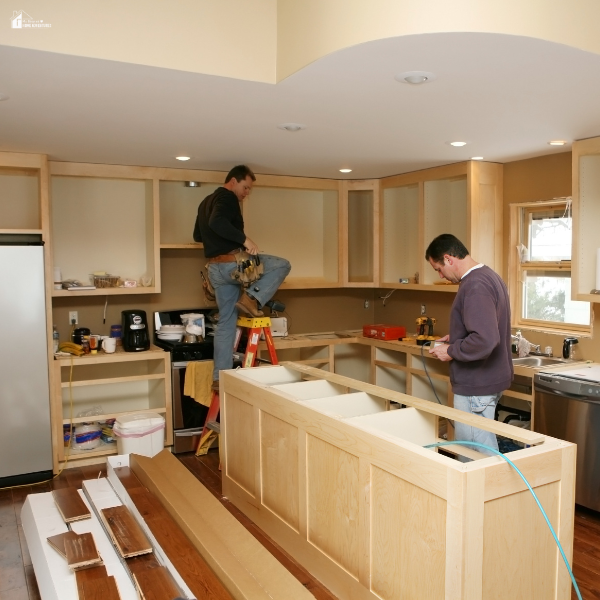
Consider refacing your cabinet doors before replacing entire boxes that sit square. New doors on solid frames give you a fresh look for much less. For counters, stick with standard sizes and simple edges to keep labor low.
Custom cuts and fancy profiles drive up installation costs really fast. Ask your supplier what stock options match the style you actually want.
Shop Smarter for Every Material
Ask the stone yards about remnant pieces they need to clear out quickly. Check local suppliers for overstock deals before ordering anything brand new. Time your bigger purchases around seasonal sales for the best pricing.
Only store materials at home after you confirm the return policy works. If you reuse old appliances, spend money on fresh electrical and plumbing hookups. Safe connections matter more than a shiny new fridge in most cases.
Know Where Your Money Matters Most
Avoid false savings by checking durability ratings before you commit to anything. Cheap flooring shows ugly wear after just one busy season of traffic. Grab samples and test them with your household cleaners and daily foot traffic.
A good budget rule is to spend more on wet areas and flooring. Save your smaller dollars for decor items you can swap out easily later.
- Tile trick: Pick ceramic or porcelain in a basic size with bold grout.
- Vanity swap: Buy a stock vanity and just upgrade the faucet instead.
- Trim savings: Get unfinished trim and paint it yourself to skip markup.
- Shelving mix: Use open shelves in one spot, but keep closed storage for clutter.
Manage Pros, Permits, and Change Orders
Hiring contractors and pulling permits gets messy without a solid plan ahead. Staying organized from the start keeps budget surprises from piling up on you.
Compare Bids the Right Way
Get at least two detailed bids for every major part of the job. Ask each contractor to break out labor, materials, and allowances separately. A low total might hide vague allowances, so compare line items instead.
Ask who leads the job on site and look for written labor warranties. Master craftsmen with real accountability give you way more peace of mind.
Use Energy Credits to Your Advantage
Energy upgrades fit a tight budget when rebates help offset the initial costs. The IRS page on home energy tax credits covers insulation and window credits. Ask your contractor for product paperwork and file it with your receipts.
Stay in Control During the Build
Budget for permits and inspections early and include them in every bid. Set a change order rule where you pause and price every new request. That simple pause keeps one small idea from snowballing into three extra purchases.
Take photos each week and write down every decision you make along the way. Pay on clear milestones only, and hold the final payment until you punch items finish. If the timeline slips, ask for a new written schedule right away.
A tight remodeling budget works when you plan the numbers first and focus wisely. Keep your choices simple and protect yourself with clear written paperwork always. Steady steps and realistic priorities lead to a project you enjoy every day.