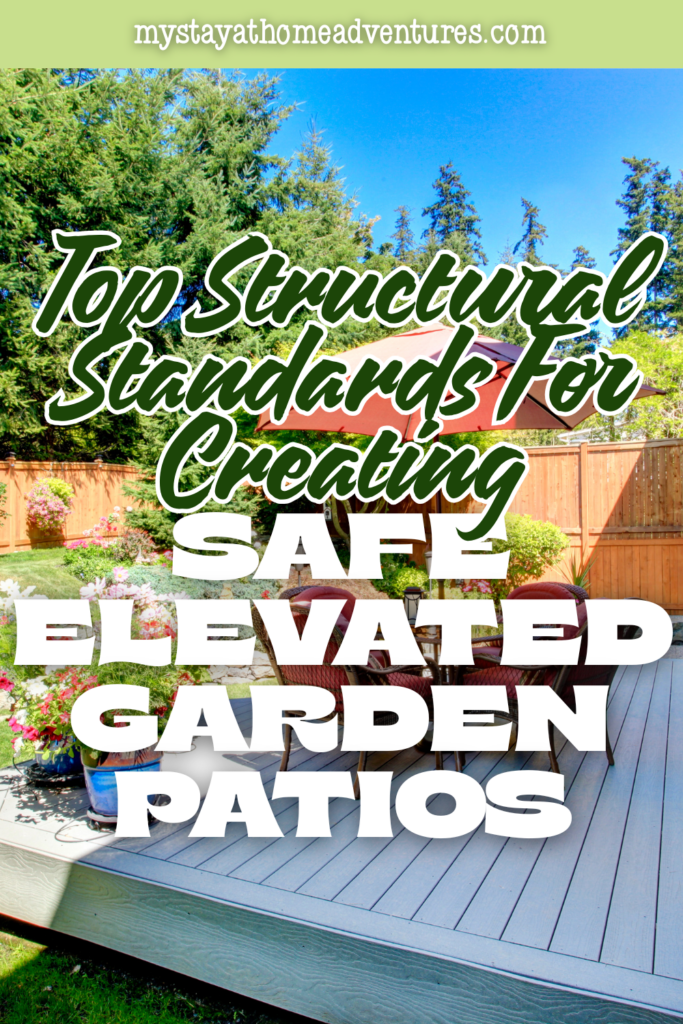
Top Structural Standards For Creating Safe Elevated Garden Patios
This post may contain affiliate links which might earn us money. Please read my Disclosure and Privacy policies here
Creating an elevated garden patio changes how you use your outdoor area. It provides a flat space for relaxation and entertaining above the natural ground level.
Building these structures requires careful planning to keep everyone safe. You must follow specific codes to prevent accidents and structural failures.
Setting Strong Foundations
Every safe patio starts with deep footings that reach below the frost line. Before construction starts, it is wise to have the foundation plans reviewed by professional deck builders in your area to ensure they meet local soil and building standards. This step prevents the structure from sinking.
These concrete bases prevent the structure from shifting when the ground freezes and thaws. Using a solid base is the first step in creating a space that stays level for many years.
The size of the footings depends on the total weight of the materials and the people using the space. Larger patios need wider bases to distribute the pressure across the dirt.
Securing The Ledger Board
The point where the structure connects to your house is a common spot for failures. A recent report from a national deck association mentioned that 90 percent of deck collapses result from ledger board connection failures. This statistic shows why heavy-duty bolts are better than simple nails.
Many builders overlook the importance of flashing in this area. Metal flashing keeps moisture from seeping behind the board and weakening the house frame.
Water must be kept away from this connection to prevent the wood from rotting. This protection – the kind that saves your home from water damage – is a key part of the build.
Designing Multi-Functional Areas
Modern outdoor projects often serve many purposes, like dining and lounging. One real estate organization found that 64% of homeowners aspire to create multi-functional outdoor spaces. This trend means builders are now focusing on larger footprints and stronger support beams.
Planning for these zones helps you decide where to place extra supports. Heavy items like stone pizza ovens or large planters need reinforced joists underneath them.
A frame that handles different types of furniture will last longer. You can avoid sagging by adding extra rows of blocking between the joists.
Guardrail Safety Requirements
Elevated spaces require sturdy railings to prevent falls from heights. These barriers must be tall enough to keep people secure without blocking the view of the garden.
Building codes typically require railings for any surface more than 30 inches off the ground. The posts should be bolted to the frame rather than just nailed to the side.
The gaps between the spindles or pickets must be small. Standard rules suggest that a 4-inch ball should not be able to pass through the openings.
Understanding Structural Load Paths
A safe structure moves weight from the top all the way to the ground. This path includes the decking boards, the joists, the beams, and finally the posts.
Every connection point needs metal connectors to keep the wood pieces together. Screws and nails alone might pull out under the stress of heavy winds or weight.
Inspectors look for a continuous path of strength from the floor down to the concrete. Missing one connector can cause the whole system to fail during a storm.
Adding Depth With Masonry
Stone and brick elements can make an elevated patio feel more permanent. A landscaping publication suggested that adding walls, steps, or raised planters gives your patio depth and practical function. These additions help define the edges of the space.
Masonry work requires its own set of footings and drainage solutions. Mixing wood and stone creates a high-end look that stands up well to the weather.
You should consult with a pro before adding heavy stone to a wooden frame. The weight of real stone might require larger beams and posts than a standard deck.
Choosing Durable Building Materials
The materials you pick affect how long the patio remains safe and sturdy. Pressure-treated lumber is common, but many people now prefer composite boards for less maintenance.
Some materials handle moisture better than others in damp environments. Consider these options for your project:
- Composite boards that resist rot and bugs
- Pressure-treated pine for the main support frame
- Stainless steel fasteners to prevent rust
- Aluminum railings for a modern look
Metal components should have a coating to prevent corrosion from the chemicals in treated wood. Check the labels on your screws to see if they are rated for outdoor use.
Building a safe garden patio is a rewarding project for any home. It creates a special place to enjoy the outdoors with friends and family.
Following modern building standards keeps the structure secure for a long time. These rules provide peace of mind so you can focus on making memories in your new space.