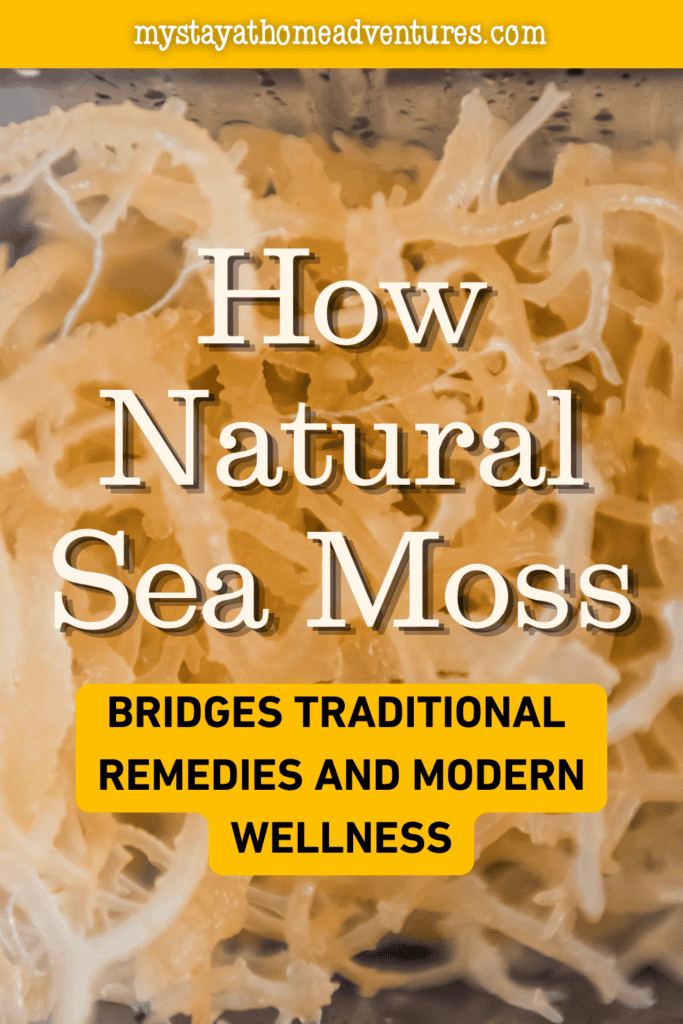
How Natural Sea Moss Bridges Traditional Remedies and Modern Wellness
This post may contain affiliate links which might earn us money. Please read my Disclosure and Privacy policies here
Wellness trends often give old practices a fresh spotlight. One decade, people embrace bone broth. The next, they turn to herbal bitters. Then a pantry staple from coastal traditions gains attention as a modern superfood. Sea moss fits squarely into that pattern.
Although contemporary health circles have embraced sea moss, communities used it long before social media and upscale smoothie bars made it popular. Its history stretches back through food traditions, folk remedies, and the practical knowledge of people who relied on the sea for nourishment.
Sea moss stands out not only because of its popularity but also because it bridges two worlds that many people view as separate: traditional healing and modern wellness culture. It shows how older, place-based knowledge can still shape the way people approach nutrition, balance, and everyday well-being.
A Traditional Ingredient With Staying Power
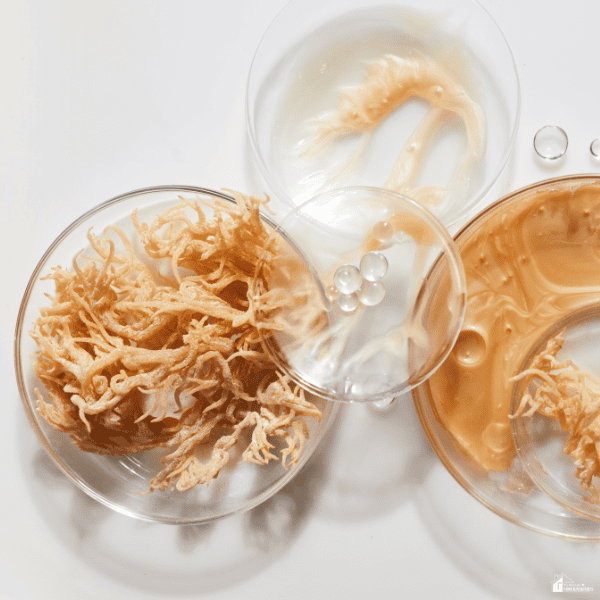
Sea moss, often associated with species such as Irish moss and Caribbean varieties of red algae, has been used for generations in coastal communities. In Ireland, it gained attention during periods of hardship because it was accessible, nutrient-rich, and easy to add to broths and simple meals.
In the Caribbean, it became part of tonics, drinks, and home preparations valued for supporting strength and recovery.
That traditional use matters. Not because every ancestral remedy should automatically be accepted as fact, but because consistent use across different regions usually points to something practical. Sea moss was not prized because it sounded exotic.
It was used because it was available, versatile, and seen as supportive in everyday life.
In many traditional contexts, ingredients were rarely separated into neat categories like “food,” “supplement,” or “wellness product.” Sea moss could be all three at once. It might show up in a nourishing drink, a restorative meal, or a preparation handed down through family routines.
That overlap feels strikingly modern, especially now that many people are moving away from all-or-nothing approaches to health and looking instead for simple, whole-food habits.
Why Modern Wellness Took Notice
Today’s interest in sea moss is driven in part by its nutrient profile. It naturally contains minerals such as iodine, potassium, magnesium, and calcium, though the exact levels vary by species, growing conditions, and processing. That variability is important.
Sea moss is not a magic ingredient, and it should not be treated like a cure-all. But in a wellness landscape crowded with heavily engineered solutions, its whole-food simplicity stands out.
Modern consumers are also drawn to rituals that feel grounding. Preparing sea moss gel, adding it to smoothies, or stirring it into soups gives people a tactile, intentional practice. That is a big part of its appeal.
Wellness is no longer just about chasing outcomes; it is also about choosing routines that feel sustainable and connected to something larger than a quick fix.
That is why more people are paying closer attention to sourcing and preparation.
If you are trying to understand what quality looks like in practice, browsing a curated natural sea moss product collection can help illustrate the difference between minimally handled options and products that are overly processed or marketed with exaggerated claims.
The Real Bridge Between Old and New
The strongest link between traditional remedies and modern wellness is not the ingredient alone. It is the mindset behind it.
Whole-Food Thinking Over Hype
Traditional remedies often worked within a broader view of health. People were not searching for one miracle substance. They used nourishing foods, rest, herbs, and daily habits together. Modern wellness increasingly echoes that perspective.
Sea moss fits best when it is part of a balanced diet and thoughtful routine, not when it is expected to do everything on its own.
That distinction matters because wellness marketing tends to flatten nuance. A single ingredient becomes the hero of the story. But real health is usually more cumulative than dramatic.
Sea moss can contribute to a nutrient-dense diet, especially for people looking to diversify their intake of mineral-rich foods, yet it makes the most sense in context.
Tradition Meets Better Standards
Another reason sea moss bridges old and new so effectively is that modern buyers can apply standards that were not always possible in informal markets. Today, people ask where it was harvested, how it was cleaned, whether additives were used, and how it was dried or prepared.
Those are good questions. They respect traditional use while bringing in contemporary expectations around quality and transparency.
In other words, modern wellness does not have to replace traditional knowledge. At its best, it can refine it.
How to Approach Sea Moss Sensibly
There is a practical way to bring sea moss into a wellness routine without getting swept up in the noise. A few considerations go a long way:
- Focus on quality and sourcing rather than flashy claims.
- Use it as one part of a broader, balanced diet.
- Be mindful of portion size, especially because sea moss can contain iodine.
- If you have a thyroid condition, are pregnant, or take medication, check with a qualified healthcare professional first.
This kind of measured approach may sound less exciting than miracle-marketing, but it is far more useful. It also reflects the spirit of traditional use, where ingredients earned their place through regular, sensible application.
A Wellness Trend That Feels Older Than It Looks
What gives sea moss staying power is that it does not really belong to one moment. It can be traditional without being outdated, and modern without being synthetic. That combination is rare.
In a culture that often swings between nostalgia and novelty, sea moss occupies a middle ground that feels more grounded than trendy.
Its rise also says something broader about where wellness is heading. People are increasingly skeptical of exaggerated promises, yet still curious about natural approaches that have a meaningful history behind them.
They want practices that are both evidence-aware and culturally rooted. Sea moss answers that desire, not because it is perfect, but because it carries a story of use that modern life can still recognize.
In the end, the appeal of natural sea moss is not only about minerals or recipes or even tradition alone.
It is about continuity. It reminds us that some of the most relevant wellness ideas are not inventions at all, but rediscoveries: old habits returning in new language, familiar ingredients finding a place in contemporary life, and traditional remedies continuing to shape the way we think about everyday health.