
What to Expect at a Real Estate Closing
This post may contain affiliate links which might earn us money. Please read my Disclosure and Privacy policies here
Only 24% of home buyers in 2024 were first-time buyers. According to the National Association of REALTORS, this was the lowest share since it began tracking the data in 1981.
Many buyers are already familiar with the home-buying process. However, first-time buyers can still complete the closing process with confidence when they have the right support and preparation.
Closing is the final stage of a real estate transaction. It follows months of planning, financing, inspections, and negotiations. By closing day, the required paperwork should be complete, financing should be approved, and all necessary inspections should be finished.

What happens at the closing table is the structured legal and financial process of transferring ownership. And as such, it would be important to know what to bring to your real estate closing. Most closings take one to two hours.
According to ICE Mortgage Technology, the median closing time for a standard home loan was 41 days as of October 2025.
Knowing what to expect before closing can make the process much less stressful. Understanding the final steps and reviewing the key details ahead of time will help you feel more prepared on closing day.
Let’s take a look at the things you can expect when at a real estate closing.
Who Is at the Closing and What They Do
A real estate closing involves multiple parties whose roles are distinct and whose interests do not always fully align.
The Closing Agent
The closing agent may be a title company representative, an escrow officer, or a real estate attorney. The type of agent present depends on the state, and they act as the neutral party coordinating the transaction.
The closing agent collects and distributes the required funds. They also prepare the closing documents and oversee the signing process. Before closing, they confirm that all terms of the purchase agreement have been met. After the documents are signed, they record the deed with the local government.
Some states require a real estate attorney to handle or supervise the closing. These states include Georgia, New York, Massachusetts, and South Carolina.
The Lender
The buyer's mortgage lender provides the loan funds and the closing package of documents. A lender representative may or may not be physically present. In most real estate transactions, the closing agent handles the lender's documents.
The lender has approved the transaction and issued a “clear to close” status, which means all conditions of the loan have been satisfied. If the clear-to-close has not been issued, the closing cannot proceed.
The Buyer and Seller
In many states, buyer and seller closings are conducted separately. In others, both parties sit across the table. Neither party is required to bring legal counsel, but both are entitled to have an attorney review documents before or at closing.
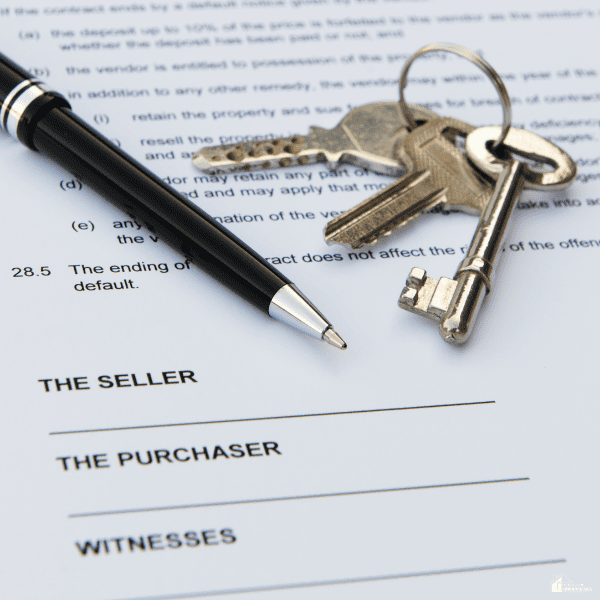
The Documents That Get Signed
The closing document package for a buyer with a mortgage typically runs between 100 and 150 pages. Most pages require only initials or a single signature acknowledging receipt. The most significant documents include:
- The Closing Disclosure: This document itemizes every cost and credit in the transaction. Federal law requires it to be provided at least three business days before closing. You should carefully compare it against the loan estimate provided earlier in the process, since law limits significant discrepancies in certain fee categories.
- The Promissory Note: This document is a legal obligation to repay the mortgage loan under the exact terms stated in it.
- The Deed of Trust or Mortgage: This document pledges the property as collateral for the money, and it is recorded in the county land records.
- The Deed: This document transfers the legal title from the seller over to the buyer. It is filed by the closing agent with the local government after closing, usually within a few days.
Every party is entitled to read every document before signing it. A closing agent should be asked to explain anything that is unclear. A legitimate closing agent will not rush a signer past documents or discourage questions.
If there are real estate legal matters that needed attention, choosing an attorney who can successfully handle your case is important, says California real estate litigation lawyer Edward Lear.
Understanding Closing Costs
Closing costs for buyers usually land somewhere between 2 and 5 percent of the loan amount, according to Bankrate. A 2025 report from Lodestar found that the average closing cost for a single-family home was about $4,661, excluding real estate agent commissions.
Your total closing costs will vary based on the loan amount and your location. For example, if you take out a $350,000 mortgage, you could pay anywhere from $7,000 to more than $17,000 in closing costs, in addition to your down payment.
The major categories of buyer closing costs include:
- The lender charges loan origination and underwriting fees. These expenses are charged by the lender in general and are not always the same across places
- There’s also title search and title insurance. The lender's title insurance is usually required, while owner title insurance is optional but it is still sort of recommended
- Then comes the appraisal fee, typically around $300 to $500, and you pay it to check or confirm the property’s value
- Next are prepaid items: the first year of homeowners insurance, prepaid interest for the days between the closing and the first mortgage payment, and the first deposit into the escrow account for taxes and insurance
- Filing fees for the deed and mortgage documents with the county
Some fees on the Closing Disclosure are fixed. Others can be negotiated and you are able to shop around for the best deals. Lenders are required by federal regulation to allow buyers to choose their own title company and settlement agent. Comparing quotes for these services can reduce total closing costs.
Why Closings Get Delayed
About 11 percent of home sale contracts end up with closing delays, and roughly 6 percent don’t make it all the way to closing, according to the 2024 National Association of REALTORS data. The patterns in closing transactions look consistent and the most common causes are usually the same sort of stuff.
- Financing issues: the buyer's credit, income, or debt ends up shifting after preapproval, so the lender can end up requalifying again or just declining the loan.
- Title defects: unresolved liens, boundary disputes, or recording errors from a previous deal that were not seen until the title search was done, or at least until someone dug deeper.
- Appraisal problems: if the property appraises under the agreed purchase price, then either there’s renegotiation or the buyer has to bring extra cash to cover the gap.
- Document delays: the buyer or seller did not supply key information, or the conditions in the contract simply were not satisfied on time.
When these issues are not resolved before closing or surface only after the deed has already been recorded, they can escalate well beyond a delay and into formal litigation.
What to Bring and What to Do the Day Before
At a real estate closing, you must bring a valid government-issued ID. You will also need a cashier's check or wire transfer confirmation if required. Bring proof of your active homeowners insurance policy. Keep the contact information for your lender, real estate agent, and attorney readily available.
Before closing, complete a final walkthrough of the property. This inspection confirms that the home matches the agreed-upon condition. Raise any concerns before signing the closing documents. Once the title transfers, the sale becomes legally binding. Reversing the transaction usually requires legal action.
Keep in mind that a photo ID expired by even one day cannot be used for notarization. This requirement stops the signing outright. It is recommended to bring a checkbook to cover any small shortfall if a wired payment comes in under the final figure.
A smartphone with active email access is also worth having on hand, since many lenders now require a final e-signing step that has to be verified before the closing can proceed.