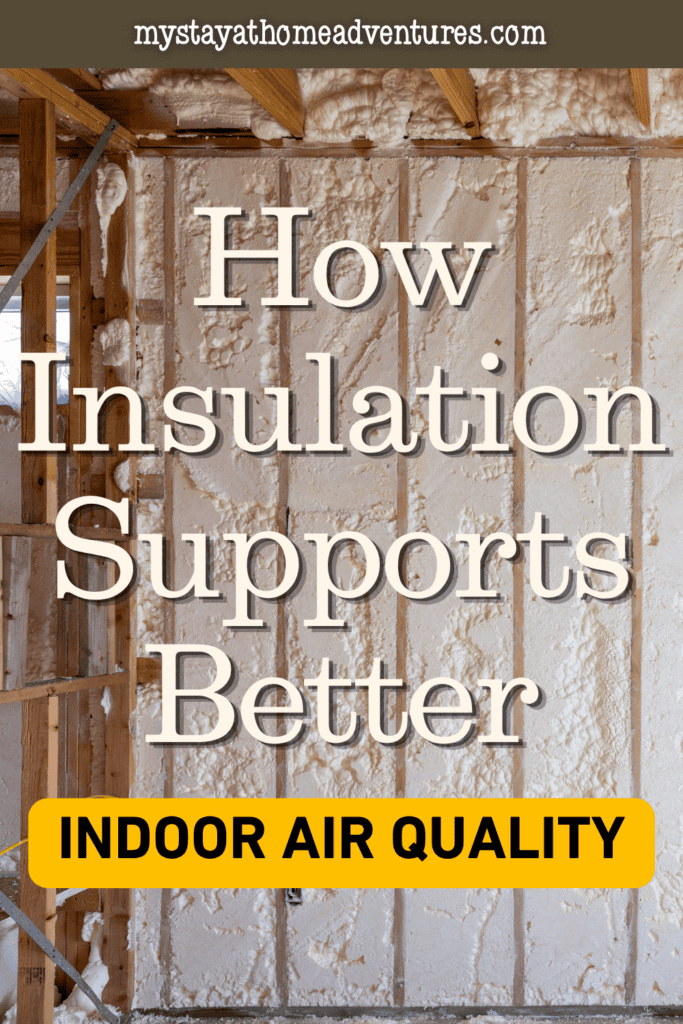
How Insulation Supports Better Indoor Air Quality
This post may contain affiliate links which might earn us money. Please read my Disclosure and Privacy policies here
Indoor air often looks clean even when dust, pollen, moisture, odors, and small particles move through your property. Many of these pollutants enter through gaps around walls, ceilings, floors, ducts, pipes, and wiring.
Old, damaged, or poorly installed insulation makes the problem worse. It lets outdoor air enter and conditioned air escape. This affects indoor temperature, humidity, HVAC performance, and the amount of dust inside your home or business.
Energy-efficient insulation helps control these issues. It slows heat transfer, reduces unwanted airflow, and supports stable indoor conditions. The right insulation plan also works with ventilation, filtration, moisture control, and regular maintenance.
How Insulation Affects Indoor Air
Insulation forms part of the barrier between indoor rooms and outdoor conditions. It slows heat movement through walls, ceilings, roofs, and floors.
During hot weather, insulation limits heat entering the property. During cooler weather, it reduces heat loss. This thermal control helps your HVAC system maintain the thermostat setting with fewer long cycles.
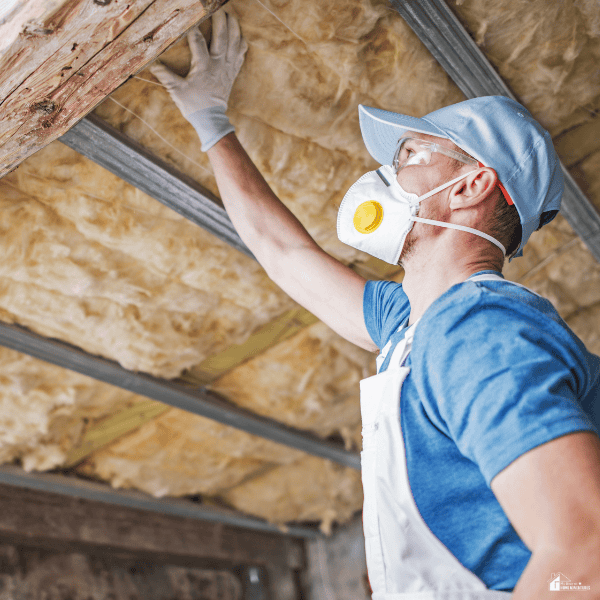
Different materials suit different areas. For example, fiberglass batt insulation fits between wall studs, floor joists, and ceiling framing when installers size and place each section correctly. Spray foam fills irregular gaps, while blown-in insulation covers attic surfaces and spaces around framing.
Reducing Outside Air Infiltration
Outside air infiltration often starts around plumbing lines, wiring holes, recessed lights, attic doors, vents, baseboards, and duct connections.
Air leaks and indoor air quality share a direct connection. When outdoor air enters freely, airborne particles move into occupied rooms. Indoor temperatures also change faster, which makes the HVAC system work longer.
Home air sealing closes these gaps. Air sealing for better air quality also reduces drafts and helps rooms maintain steadier temperatures. Professional insulation installation should address air leaks before workers add or replace insulation.
Limiting Dust, Pollen, and Pollutants
Dust enters through doors and windows, but it also moves through gaps in the building structure. Pollen, smoke, soil particles, and outdoor odors follow the same paths.
Insulation for cleaner indoor air helps limit this movement. A tighter building envelope supports dust reduction through insulation and lowers the amount of outdoor material entering living or working areas.
Insulation does not replace HVAC filters or regular cleaning. It reduces the pollutant load those systems must manage. Keep vents clear, change filters on schedule, and inspect duct connections for visible gaps.
Managing Moisture and Humidity
Florida properties face long periods of heat and high humidity. When humid outdoor air enters a cooler building, moisture forms on ducts, walls, ceilings, and pipes.
Humidity control insulation limits this airflow and helps interior surfaces stay closer to room temperature. This supports condensation prevention and reduces damp areas.
Insulation moisture control also supports mold prevention efforts by reducing damp conditions. It does not remove existing mold or repair an active leak. Roof leaks, plumbing problems, damaged ducts, and drainage issues require separate repairs.
How Attic Insulation Supports Air Quality
Attics often contain heat, dust, old insulation fibers, pest debris, and humid air. Openings around ceiling fixtures, attic hatches, ducts, pipes, and wiring allow attic air to move into occupied rooms.
Attic insulation and air quality improve when the attic has even coverage and sealed penetrations. Proper insulation slows heat transfer from the roof into rooms below and limits dusty or humid attic air from entering the home.
An insulation inspection should identify missing material, moisture stains, pest activity, damaged sections, and open gaps. The contractor should also review attic ventilation before recommending new insulation.
Why Crawl Space Air Sealing Matters
Crawl spaces also affect indoor conditions. Air moves upward through floor gaps, plumbing openings, and framing joints.
This air often carries moisture, odors, dust, soil particles, and pest waste into the property. Damp crawl spaces also contribute to cold floors and musty rooms.
Crawl space air sealing limits this movement. Suitable insulation helps keep floors closer to the indoor temperature and supports indoor comfort improvement.
Before work starts, the contractor should check for standing water, plumbing leaks, damaged wood, pests, and drainage concerns. Insulation should not cover unresolved moisture or structural damage.
Choosing the Right Insulation Material
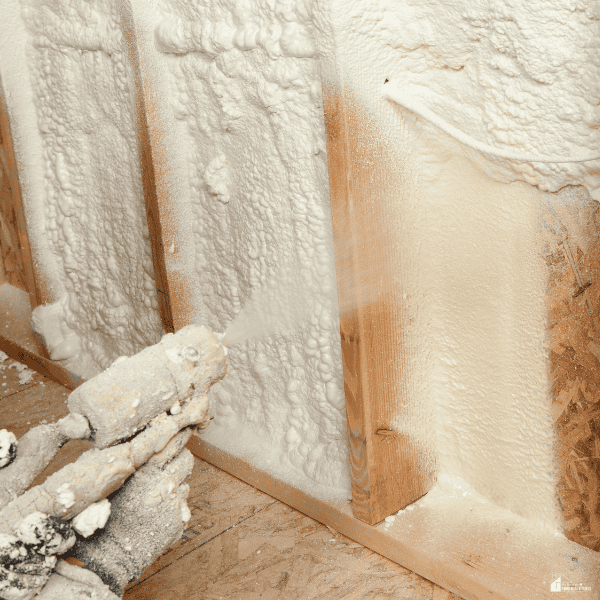
A spray foam air barrier expands into gaps and creates a tight seal across suitable surfaces. It works well around framing, rooflines, wall cavities, and selected crawl space areas.
Blown-in insulation spreads across attic floors and fills spaces around framing. It offers broad thermal coverage when installed at the right depth and density.
The right choice depends on insulation R-value needs, moisture exposure, existing materials, building design, local codes, and project goals. Thermal insulation performance also depends on installation quality. Thin coverage and compressed sections reduce results.
When Existing Insulation Affects Indoor Conditions
Old insulation often loses performance after settling, moisture exposure, pest activity, or physical damage.
Wet insulation holds moisture and creates odors. Compressed material loses thickness and thermal value. Missing sections allow heat and air to move through the building envelope.
Pest-contaminated insulation often contains droppings, nesting material, and damaged fibers. Professional insulation cleanup removes contaminated material and prepares the space for repairs. Damaged insulation removal also gives contractors access to hidden surfaces.
Old insulation replacement makes sense when the material has widespread damage, contamination, severe settling, or poor coverage.
Insulation, Ventilation, and HVAC Performance
Insulation works as part of a larger indoor comfort system. Ventilation brings in controlled fresh air. HVAC filters capture particles. Insulation and air sealing control heat transfer and unwanted airflow.
This balance supports HVAC efficiency and air quality. A property with strong thermal control holds its indoor temperature longer. The system runs fewer extended cycles and maintains steadier humidity.
An energy-efficient home also depends on maintained HVAC equipment, sealed ducts, proper ventilation, weather sealing, and suitable insulation.
Benefits for Homes and Commercial Properties
Energy-efficient home insulation supports steadier temperatures, fewer drafts, lower outdoor air entry, and improved humidity control. These benefits help living areas feel more consistent and reduce the amount of dust entering through attics, walls, floors, and crawl spaces.
Commercial insulation solutions offer similar benefits in offices, stores, warehouses, workshops, and storage areas. Proper coverage helps larger spaces maintain stable conditions and reduces strain on heating and cooling equipment.
What Happens During an Insulation Inspection?
A professional insulation inspection starts with a review of your concerns. Tell the contractor about hot rooms, musty odors, drafts, high energy bills, visible moisture, or frequent HVAC cycling.
The contractor should inspect attics, floors, crawl spaces, ducts, rooflines, and utility penetrations. Existing insulation should be checked for depth, gaps, compression, moisture, contamination, and pest damage.
Florida property owners can consider local providers such as Silverback Insulation LLC for insulation inspections, removal, air sealing, and installation recommendations based on the building’s condition.
After the assessment, ask for a written plan explaining which materials need removal, which gaps require sealing, and which insulation type suits each area. The estimate should also cover cleanup, insulation R-value, ventilation, project timing, and final inspection.
How Does Energy-Efficient Insulation Support Cleaner Indoor Air?
Energy-efficient insulation supports indoor air quality by reducing uncontrolled airflow, limiting outdoor pollutants, slowing heat transfer, and helping manage moisture.
Start by checking for drafts, uneven temperatures, musty odors, moisture stains, and high energy bills. Replace dirty HVAC filters and look for gaps around attic doors, vents, pipes, and ducts.
Then schedule a professional insulation inspection. Address leaks, pest damage, moisture, and contaminated materials before new insulation goes into place.
Request a written plan that covers removal, cleanup, air sealing, insulation type, R-value, ventilation, and installation. The right energy-efficient insulation plan supports cleaner indoor air, steady comfort, and lower energy waste.