How to Plan Grocery Shopping for a Campervan Trip without Wasting Food
This post may contain affiliate links which might earn us money. Please read my Disclosure and Privacy policies here
Campervan travel is a popular and unique way to explore, and with campervan hiring in Auckland available, it is more accessible for both local and international travellers. One thing that draws people to this kind of travel is that they can explore at their own pace while bringing many of the comforts of home on the road.
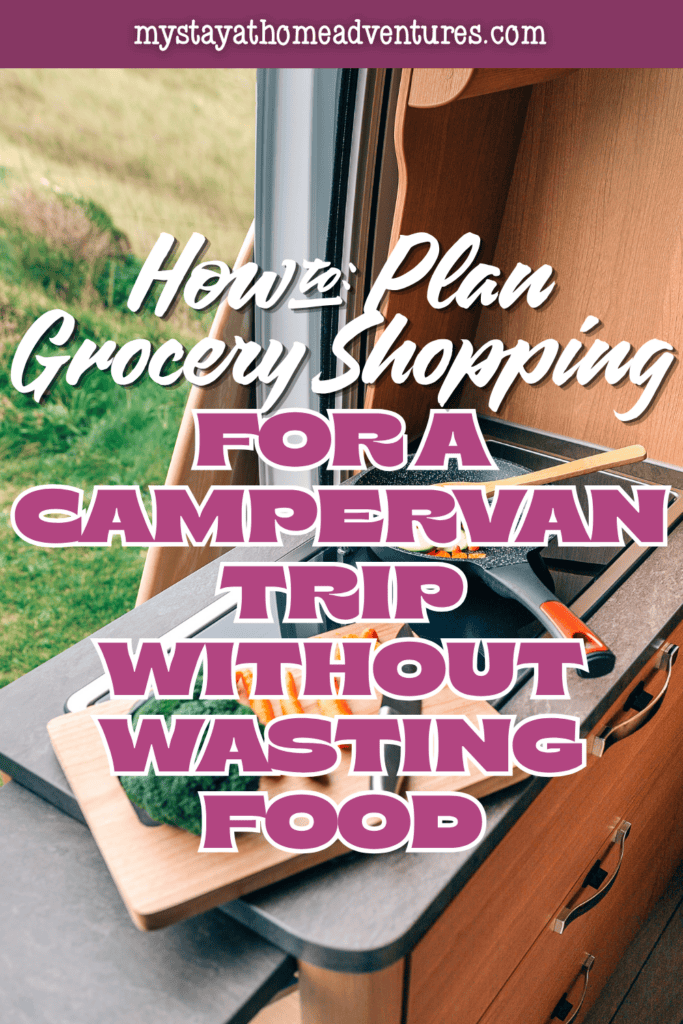
With a kitchenette and food storage readily available, preparing meals during the journey can help reduce travel costs and make the most delicious meals, even at remote destinations, a breeze.
However, grocery shopping for a campervan trip is very different from shopping for a household. Generally, there’s limited storage and refrigeration space on the van. There is also a higher chance of changing travel plans, which can affect shopping habits.
When this happens, fresh produce may spoil before it is used, duplicate items can accumulate in crowded cupboards, and leftovers can become difficult to manage when space is limited.
Fortunately, avoiding food waste does not require complicated planning or foregoing your travel plans. If you plan to travel by campervan soon, check out these grocery shopping techniques to ensure your groceries remain fresh and useful throughout the trip:
1) Start with a Realistic Meal Plan
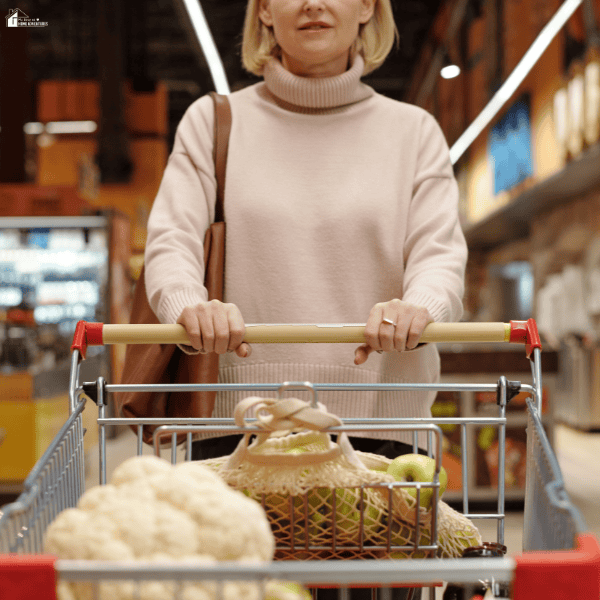
Successful campervan grocery shopping begins long before entering the supermarket. Rather than creating a shopping list based on general preferences or habits, it is often more effective to plan meals first and build the grocery list around them.
Create a realistic meal plan by considering the length of the trip, the number of travellers, and how often you will actually cook in the campervan. While it may be tempting to plan every meal onboard, travel schedules often change those expectations.
Many travellers include visits to local cafés and restaurants as part of the experience. Account for these meals in your plan to avoid unnecessary purchases and reduce the chance of returning home with unused food.
Keep your meal choices simple as well. Campervan kitchens prioritize functionality over elaborate cooking, so straightforward recipes work best. Choose meals with fewer ingredients to save preparation time and reduce the amount of food you need to store and manage throughout the journey.
2) Choose Multi-Purpose Ingredients
Once you have a meal plan in place, focus on selecting ingredients that serve multiple purposes throughout the trip. In a campervan, every item takes up valuable storage space, so versatile ingredients often provide the best value.
Using multi-purpose ingredients helps minimise waste by creating several opportunities to use the same item. Instead of buying specialised ingredients for individual recipes, build meals around a smaller collection of staples that work across different cuisines and meal types.
For example, you can use eggs for breakfast, add them to fried rice, include them in wraps, or serve them with vegetables for a quick dinner. Tortillas work well as breakfast wraps, quesadillas, or even as a substitute for bread.
Similarly, you can add cheese to sandwiches, pasta dishes, salads, and snack platters without making meals feel repetitive.
3) Plan Meals According to Food Shelf Life
Even the most carefully planned grocery list can lead to waste if ingredients are not used in the appropriate order. For this reason, it is important to consider shelf life when organising meals throughout a campervan trip.
Highly perishable ingredients should generally be scheduled for the beginning of the trip. Leafy greens, berries, fresh seafood, and soft cheeses often have shorter storage lives and may deteriorate quickly in a compact campervan refrigerator.
Longer-lasting ingredients can then support meals later in the journey. Vegetables such as carrots and potatoes tend to remain fresh for extended periods, while apples and hard cheeses can withstand longer storage without issue.
Canned foods, dried pasta, and rice are particularly useful because they remain shelf-stable and can provide reliable meal options if fresh ingredients run low.
4) Shop in Stages Instead of Buying Everything at Once
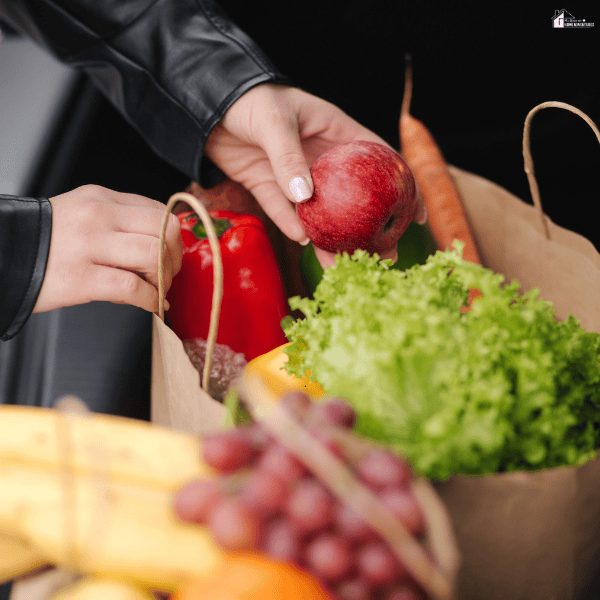
Although it may seem convenient to purchase all groceries before your trip, this approach is not always the most efficient option for campervan travel. Buying food for the entire journey at the outset can quickly overwhelm limited storage space and increase the risk of spoilage, particularly during longer trips.
Instead, many experienced campervan travellers prefer to shop in stages. Purchasing groceries for three to five days at a time provides a practical balance between convenience and flexibility. This strategy allows travellers to replenish supplies as needed while avoiding the challenges associated with carrying large quantities of food.
Smaller shopping trips can also simplify inventory management. With fewer items stored at any one time, it becomes easier to monitor available supplies and identify what needs to be used first. This visibility plays a key role in reducing waste and preventing duplicate purchases.
5) Use the Final Days to Clear Remaining Supplies
As a campervan trip comes to an end, the focus of meal planning naturally shifts. Rather than following structured recipes or purchasing additional ingredients, the priority becomes using up whatever remains in storage.
The final two to three days of travel are an ideal time to adopt a “clear-out” approach. Meals can be designed around leftover vegetables, proteins, grains, and condiments, even if they would not normally be combined in a planned recipe.
Stir-fries, omelettes, and simple rice bowls are especially useful during this stage, as they can absorb a wide variety of remaining ingredients.
Smart Grocery Planning Makes Campervan Travel Simpler
Grocery shopping for a campervan trip becomes far more efficient when approached with intention rather than habit. With limited storage space and changing travel routines, success depends less on buying more food and more on making thoughtful decisions about what, when, and how much to purchase.
Ultimately, good grocery planning can help travellers enjoy satisfying meals while keeping their campervan organised and free from unnecessary food waste.