7 Drought Tolerant Front Yard Trends for 2026
This post may contain affiliate links which might earn us money. Please read my Disclosure and Privacy policies here
Across Los Angeles and other dry regions of the United States, homeowners are shifting toward landscapes that conserve water while still offering strong curb appeal. A well planned drought tolerant front yard reduces water usage, lowers maintenance costs, and helps properties stay visually appealing throughout the year.
Climate conditions in California continue to influence how homeowners approach landscaping. According to the California Department of Water Resources, outdoor irrigation accounts for a large portion of residential water use.
Water efficient landscaping solutions help reduce consumption and support long term sustainability.
Because of these environmental realities, many homeowners are asking how to design a drought tolerant front yard that looks modern, attractive, and functional. In response, landscape services are introducing creative ideas that combine beauty with responsible water management.
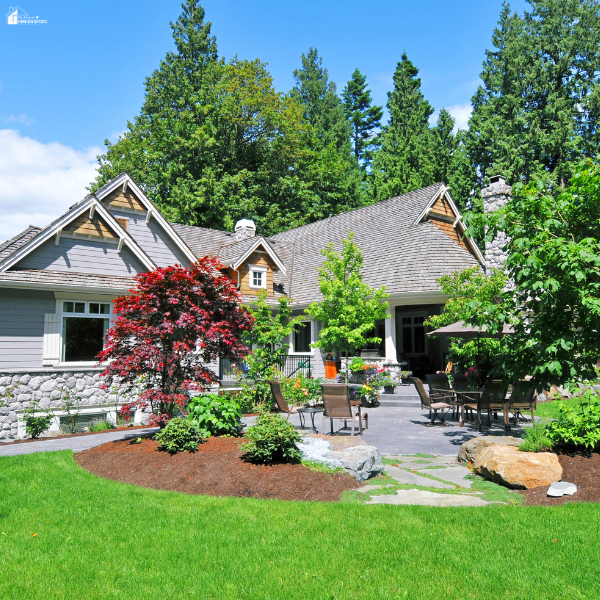
The following list highlights seven emerging trends shaping modern front yard drought tolerant landscaping for 2026.
1. Native Plant Landscaping
Native plants are one of the most effective ways to create a thriving drought tolerant front yard. These plants have adapted to local climate conditions and require significantly less irrigation than non native varieties.
In Southern California, native species such as California sagebrush, manzanita, and ceanothus thrive in dry environments. Once established, these plants need minimal watering and maintenance.
When homeowners explore how to design a drought tolerant front yard, native planting is often the first step recommended by landscape professionals. Native plants also support pollinators such as bees and butterflies, which contributes to a healthier ecosystem.
The National Park Service highlights the benefits of native landscaping for conserving water and supporting biodiversity.
In modern front yard drought tolerant landscaping, designers often combine native plants with structured layouts and layered planting beds. This approach keeps the yard visually balanced while reducing irrigation demands.
2. Artificial Turf for Low Maintenance Lawns
Many homeowners still want the look of a green lawn, but traditional grass can require heavy watering. Artificial turf offers a practical solution for maintaining a lush appearance while keeping water consumption extremely low.
A drought tolerant front yard that incorporates artificial turf can stay green year round without regular irrigation. This option is especially popular in urban neighborhoods where homeowners want curb appeal without the responsibility of constant lawn care.
Artificial turf also fits naturally into modern front yard drought tolerant landscaping. Designers often combine turf with stone pathways, decorative gravel, and drought resistant plants to create a balanced visual layout.
Homeowners who install turf should also understand proper care techniques. Routine cleaning and maintenance help extend its lifespan and maintain its appearance.
Artificial turf allows homeowners to explore how to design a drought tolerant front yard that still provides a soft, green surface for outdoor spaces.
3. Decorative Gravel and Stone Landscapes
Hardscape elements are becoming a defining feature of the drought tolerant front yard trend. Decorative gravel, decomposed granite, and stone pathways provide texture and structure while eliminating the need for watering.
Gravel landscapes are practical because they improve drainage, suppress weeds, and create visually interesting surfaces. These materials are also widely used in modern front yard drought tolerant landscaping to create geometric layouts and layered visual depth.
Homeowners who want to understand how to design a drought tolerant front yard often begin with a hardscape framework. Once the layout is defined using gravel or stone, plants and accent features can be added strategically.
Common gravel landscaping ideas include:
- Pathways connecting entryways and driveways
- Rock gardens with sculptural plants
- Decorative borders around planting beds
- Minimalist stone courtyards
Because these materials require little maintenance and no irrigation, they help homeowners maintain a practical and attractive drought tolerant front yard.
4. Smart Irrigation Systems
Technology is playing an increasingly important role in water efficient landscaping. Smart irrigation systems allow homeowners to water plants only when necessary, reducing waste and improving plant health.
Many smart irrigation controllers adjust watering schedules based on weather conditions, soil moisture, and temperature. This ensures plants receive the right amount of water without excessive usage.
When planning how to design a drought tolerant front yard, irrigation efficiency should always be considered. Even drought resistant plants require occasional watering, particularly during the establishment phase.
The U.S. Environmental Protection Agency promotes WaterSense labeled irrigation controllers, which can help reduce outdoor water use by up to 30 percent.
Integrating smart irrigation technology into modern front yard drought tolerant landscaping ensures that water resources are used responsibly while maintaining healthy plant growth.
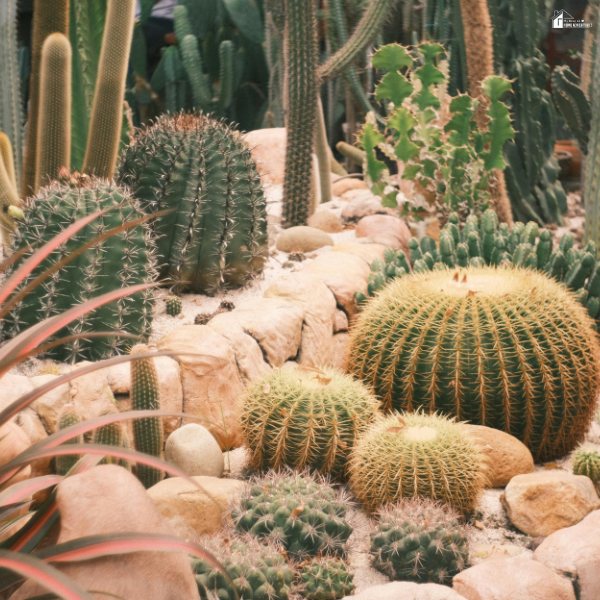
5. Succulent and Cactus Gardens
Succulents and cacti remain one of the most recognizable elements of a drought tolerant front yard. These plants store water in their leaves and stems, allowing them to survive long dry periods with minimal irrigation.
In recent years, succulent gardens have evolved beyond simple plant groupings. Landscape designers now create artistic arrangements that combine different shapes, textures, and colors.
For homeowners researching how to design a drought tolerant front yard, succulent gardens provide a visually striking option that requires little maintenance.
Popular succulent varieties for front yard landscaping include:
- Agave
- Aloe
- Echeveria
- Barrel cactus
- Sedum
These plants integrate easily into modern front yard drought tolerant landscaping designs that feature gravel beds, raised planters, and sculptural rock elements.
Because succulents thrive in warm climates, they are particularly well suited for homes throughout Los Angeles and Southern California.
6. Outdoor Lighting for Water Wise Landscapes
Outdoor lighting is becoming an important part of drought tolerant front yard design. Proper lighting highlights landscape features while improving visibility and safety during evening hours.
Low voltage LED landscape lighting can illuminate pathways, highlight architectural plants, and accent stone features. These lighting systems consume minimal energy and require little maintenance.
When planning how to design a drought tolerant front yard, lighting should be considered early in the design process. Strategically placed fixtures can dramatically enhance the appearance of hardscape elements, gravel beds, and sculptural plants.
Lighting also complements modern front yard drought tolerant landscaping by creating a sophisticated and welcoming nighttime environment. Path lights, uplighting, and step lighting can emphasize the structure of the yard while maintaining energy efficiency.
7. Layered Xeriscape Design
Xeriscaping refers to landscaping techniques that reduce or eliminate the need for irrigation. This approach is becoming one of the most influential trends shaping the drought tolerant front yard movement.
A layered xeriscape design combines several elements:
- Native and drought resistant plants
- Decorative gravel or decomposed granite
- Natural stone accents
- Mulch for moisture retention
When homeowners explore how to design a drought tolerant front yard, xeriscaping provides a complete framework for sustainable landscaping.
One reason this method is popular in modern front yard drought tolerant landscaping is that it creates visual depth. Taller shrubs are placed toward the back, mid sized plants occupy central areas, and ground covers fill the front layers.
This structure allows each plant to stand out while maintaining a cohesive landscape design. The result is a visually appealing yard that requires minimal water and upkeep.
Creating a Beautiful and Sustainable Front Yard
Designing a drought tolerant front yard does not mean sacrificing beauty or curb appeal. With thoughtful planning and modern landscaping techniques, homeowners can create outdoor spaces that look sophisticated while conserving water.
From native plant gardens and decorative stone landscapes to artificial turf and smart irrigation systems, there are many ways to approach modern front yard drought tolerant landscaping. Each element contributes to a landscape that is both visually appealing and environmentally responsible.
For homeowners considering how to design a drought tolerant front yard, working with experienced landscape professionals can make the process significantly easier. Professionals understand how to combine plants, materials, and irrigation systems into a cohesive design that thrives in local climate conditions.