Increasing Home Value Through Practical Upgrades
This post may contain affiliate links which might earn us money. Please read my Disclosure and Privacy policies here
Have you noticed how home values in Connecticut seem to spark dinner table debates lately? With tight housing supply and steady demand, homeowners are thinking harder about smart upgrades. The goal is not flashy renovations but practical improvements that buyers actually want.
Having flexible storage options allows you to declutter efficiently, stage your home properly, and focus on improvements that directly increase property value.
In this blog, we will share how increasing home value through practical upgrades can strengthen your investment without wasting time or money.
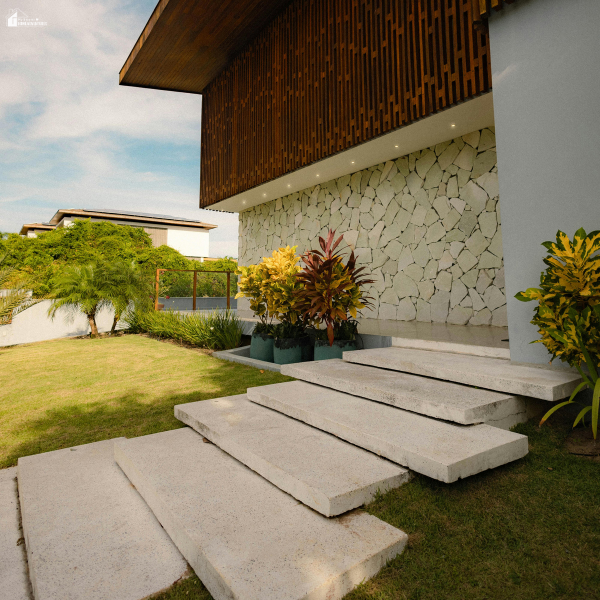
Start with What Buyers Notice First
In today’s housing market, first impressions carry serious weight. With inventory still limited in many regions and mortgage rates shifting buyer expectations, homes that look move-in ready attract faster offers. Curb appeal often shapes that first judgment before anyone steps inside.
Focus on visible repairs. Replace cracked siding, repaint faded trim, and update worn house numbers and exterior lighting. These projects cost less than major remodels yet signal that the property has been cared for. Landscaping also plays a role.
Trim overgrown shrubs, reseed patchy lawns, and add low-maintenance plants that thrive in your climate. Clean walkways and pressure-washed driveways make a property feel newer without major expense.
Inside the home, neutral paint colors create a blank canvas for potential buyers. Bright or highly personalized shades limit appeal, while light grays, warm whites, and soft beige tones broaden it.
Flooring deserves equal attention. Replacing worn carpet or refinishing hardwood floors offers a strong return compared to many high-cost projects.
As homeowners prepare for upgrades, they often face clutter issues. Renovation work moves furniture, decor, and seasonal items out of the way. If you're looking for facilities that offer self storage Waterbury has several.
Temporary storage solutions create space to complete improvements efficiently while keeping belongings safe and organized. Clean, accessible storage facilities support staging efforts, which help buyers picture themselves in the home. When rooms look open and functional, value perception increases.
Practical upgrades work best when paired with thoughtful presentation. Buyers scanning online listings form opinions within seconds. Bright, well-lit photos of decluttered spaces make a measurable difference in interest levels. Even small visual improvements can influence showing requests.
Modernize Kitchens and Bathrooms Wisely
While full kitchen remodels often dominate renovation shows, strategic updates frequently deliver stronger returns. In a market shaped by cautious spending and rising material costs, buyers appreciate functional improvements more than luxury statements.
Instead of tearing out cabinets, consider refinishing or repainting them. Swapping outdated hardware for modern handles creates a refreshed look without the cost of full replacement. Updating light fixtures and installing energy-efficient LED lighting improves both style and utility.
Replacing older faucets with contemporary designs enhances appeal while improving water efficiency.
Countertops also matter, yet expensive stone is not always necessary. Durable, mid-range materials often strike the right balance between cost and value. Buyers notice clean, solid surfaces more than brand names.
Bathrooms benefit from similar restraint. Replacing worn vanities, upgrading mirrors, and installing modern fixtures can shift the room’s appearance without full demolition. Regrouting tile, improving ventilation, and fixing leaks signal maintenance discipline.
With water conservation increasingly emphasized in many communities, low-flow toilets and showerheads appeal to buyers who watch utility costs.
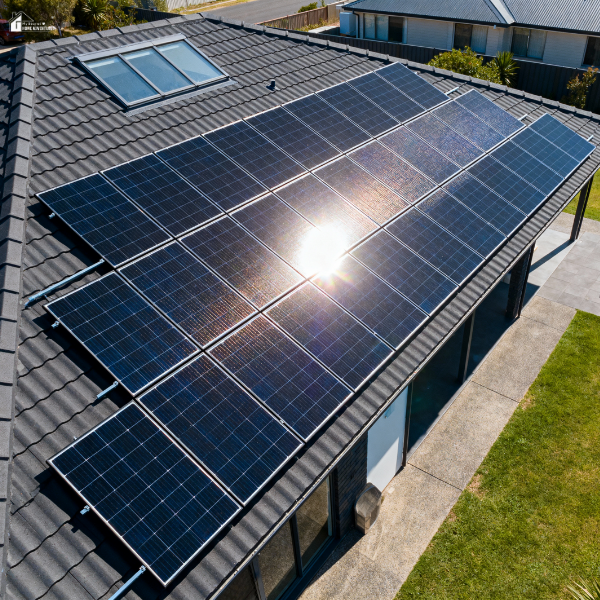
Energy efficiency upgrades carry growing influence. Rising energy prices and broader conversations about sustainability have shaped buyer expectations. Installing programmable thermostats, sealing windows, and adding attic insulation improve comfort while lowering monthly bills.
These changes rarely appear glamorous, yet they strengthen long-term value.
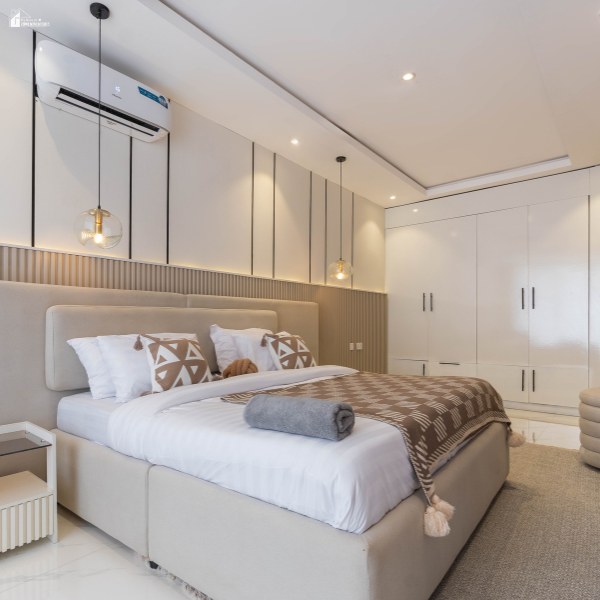
Expand Usable Living Space
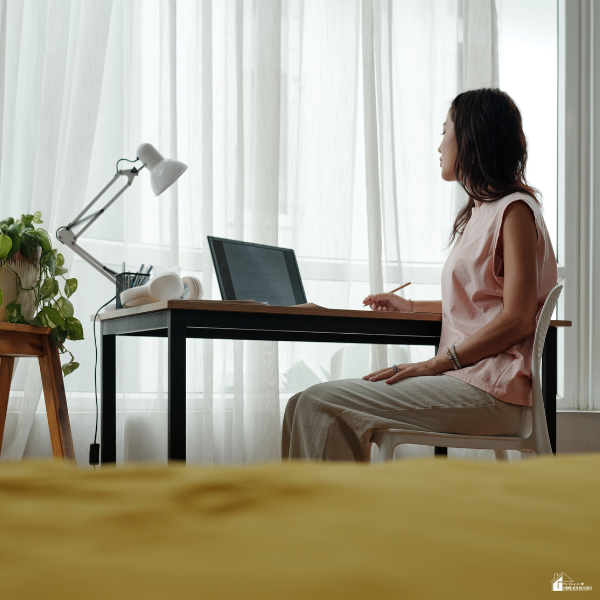
Remote work trends have reshaped how buyers view space. Extra rooms once labeled as optional now serve as home offices, study areas, or workout zones. Increasing usable square footage does not always require structural expansion.
Finishing basements or converting attics can add functional space at lower cost than building additions.
Before beginning, check local building codes and permit requirements. Legal compliance protects resale value and prevents future complications. Once approved, focus on practical finishes. Good lighting, moisture control, and proper insulation transform unfinished areas into comfortable rooms.
Open floor plans continue to attract interest, yet structural wall removal must be evaluated carefully. Consult professionals to confirm load-bearing walls before making changes. Sometimes removing a partial wall or widening a doorway achieves a more open feel without major reconstruction.
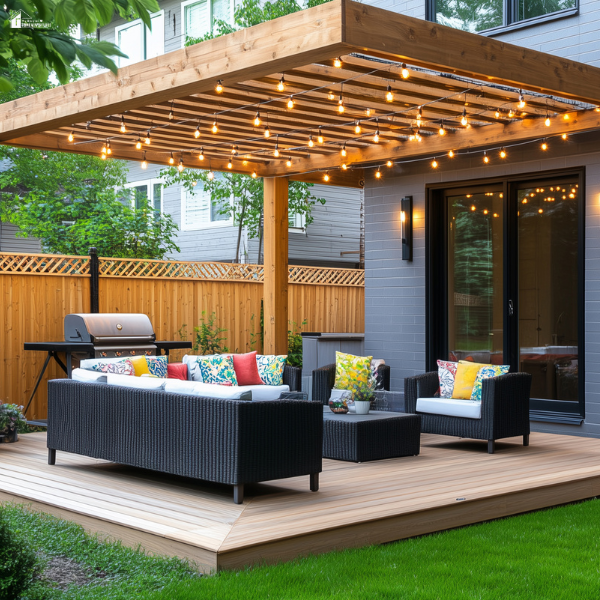
Outdoor living areas also add perceived value. Decks, patios, and covered seating spaces expand entertainment options. In many regions, buyers appreciate homes that support gatherings and relaxation without expensive landscaping commitments.
Choose durable materials that withstand local weather conditions to avoid future repair costs.
Upgrade Systems Before Cosmetics
Homebuyers increasingly request inspection reports before finalizing offers. Structural integrity and system reliability influence negotiations more than surface finishes. Investing in core systems protects both safety and resale value.
Heating and cooling systems deserve priority. Replacing aging units with energy-efficient models improves comfort and lowers operating costs. Updated electrical panels accommodate modern appliances and reduce fire risk.
Plumbing upgrades prevent leaks and water damage, which can quickly reduce property value.
Roof condition often determines buyer confidence. If shingles show significant wear, replacing them before listing prevents last-minute concessions during negotiations. The same applies to foundation cracks and drainage issues. Addressing these concerns early strengthens your bargaining position.
Smart home technology has gained attention, yet practical installations work best. Video doorbells, programmable thermostats, and reliable security systems add appeal without overwhelming buyers. Technology should enhance function, not complicate daily life.
Adapting to a Changing Housing Market
Recent housing trends reveal a market defined by limited supply and cautious buyers. Higher borrowing costs have encouraged shoppers to evaluate long-term expenses closely. This environment rewards homes that demonstrate durability and efficiency.
Practical upgrades align with these expectations. Buyers want homes that feel cared for, energy-conscious, and adaptable to evolving lifestyles. Renovations that reduce maintenance concerns often shorten time on market.
Inflation has also influenced construction costs, prompting homeowners to weigh projects carefully. Phasing upgrades over time can spread expenses while steadily increasing value. Begin with repairs that protect the structure and systems, then move toward aesthetic updates.
Home value growth does not require a dramatic transformation. Consistent, thoughtful improvements create cumulative impact. By focusing on maintenance, energy efficiency, usable space, and presentation, homeowners position their properties competitively within shifting market conditions.

Increasing home value through practical upgrades reflects a broader trend toward intentional investment. Rather than chasing dramatic remodels, homeowners benefit from clear priorities and steady improvements.
When each decision supports function, safety, and broad appeal, the result strengthens both personal comfort and long-term financial return.