What to Secure Before Exterior Home Construction Begins
This post may contain affiliate links which might earn us money. Please read my Disclosure and Privacy policies here
The second you schedule exterior construction, your yard stops being “your yard” for a while. It becomes a job site. Materials show up. Trucks park closer than you’d like. Something is always leaning against a wall.
Even if the actual work is just siding or roofing, everything around the house gets pulled into it. If you don’t secure things ahead of time, you’ll be chasing preventable problems while construction is already in full swing.
In Carmel, Indiana, this preparation can make or break everything. Weather shifts quickly. Wind can pick up during open-roof phases. Many homes have detailed landscaping and decorative features that aren’t cheap to replace.
Add in HOA expectations and neighborhood visibility, and suddenly the “outside” of your home feels like a lot to manage.
Move Outdoor Furniture
This sounds obvious until you realize how much is actually sitting outside. Patio tables. Cushions. A grill. Planters. Holiday décor that never got put away. All of it becomes vulnerable the minute construction begins.
Dust settles into fabric. Materials get leaned where they shouldn’t. Vibrations knock things over.
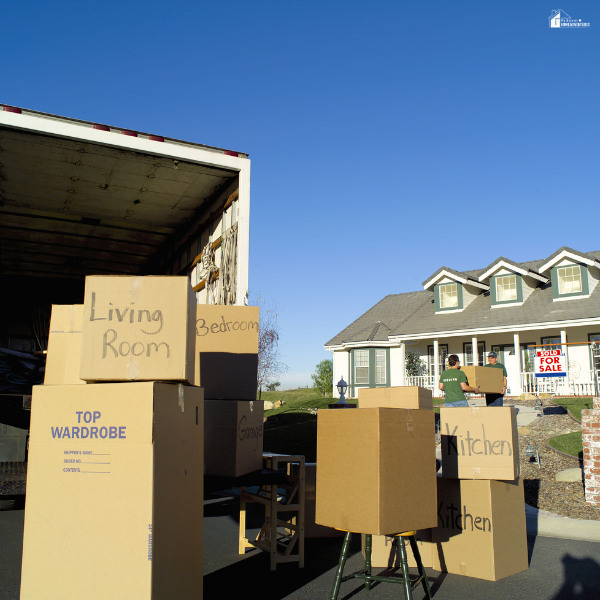
Instead of stacking everything awkwardly in the garage, consider moving it fully off-site for the duration of the project. By getting storage units Carmel Indiana residents can access short-term storage, which is often simpler than trying to protect everything in a crowded space at home.
When your yard is cleared properly, contractors move faster, and you’re not worrying about whether your outdoor set just became a workbench.
Lock Down Windows and Doors
Exterior construction kicks up more dust than people expect. Even if no one breaks a window, fine debris finds its way inside through small gaps. Roofing work especially sends particles everywhere.
Before work starts, double-check that windows are sealed and locked. Close interior blinds or curtains near construction zones. If certain windows sit directly under heavy work areas, talk to your contractor about temporary protection. A few minutes of prevention keeps you from cleaning construction grit out of window tracks later.
Know Where Your Underground Lines Are
If any digging is involved, like posts, new footings, or landscaping adjustments, you need to know what’s underground. Gas lines. Irrigation systems. Electrical cables. They’re not visible, but hitting one creates an expensive mess fast.
Make sure utilities are properly marked before anyone starts breaking ground. Walk the yard with your contractor so you both understand where sensitive areas are. It’s a simple step, but it prevents delays and serious repair costs that no one wants to deal with mid-project.
Tighten Up Fences and Gates
Construction means people moving in and out all day. Gates open constantly. Equipment brushes against fencing. If something is already loose, it won’t survive the next few weeks without getting worse.
Take a quick pass around your perimeter. Tighten hinges. Secure wobbly panels. Fix latches that don’t fully catch. A stable fence keeps pets safe, maintains privacy, and avoids surprise repairs after the crew leaves.

Clear Drainage Paths
Exterior projects and unexpected rain don’t mix well. If materials are staged in the wrong spot or gutters are clogged, water can pool quickly. That’s especially risky when parts of the roof or siding are mid-installation.
Before work begins, clean out gutters and check downspouts. Make sure nothing blocks natural drainage areas in the yard. You don’t want to discover foundation pooling while your house is already partially opened up.
Take Down Wall-Mounted Décor and Exterior Lighting
Anything attached to the outside of your house is fair game for vibration. Address plaques, decorative sconces, mounted planters, security lights, they all sit right in the impact zone during siding, roofing, or trim work. Even if they don’t get hit directly, the constant movement and tool use nearby can loosen fasteners.
Take them down yourself before the crew arrives. Store them safely indoors. It’s faster to remove and reinstall than to replace something cracked or torn off mid-project. And if lighting fixtures need to be disconnected temporarily, you can plan that calmly instead of reacting after something breaks.
Cover and Secure Outdoor Electrical Outlets
Exterior outlets are easy to overlook. During construction, they can get hit with dust, water spray, or loose debris. If pressure washing or roof tear-off is involved, moisture can travel in places it shouldn’t.
Ensure outlet covers are intact and sealed properly. If certain outlets sit directly in high-activity zones, talk to your contractor about temporarily covering or disabling them during work.
Set Clear Access Routes Before Day One
Don’t assume contractors will automatically take the path you prefer. If you have a side yard you’d rather they use, say so. If there’s a section of lawn you want protected, mark it clearly.
Walk the property with the project lead and agree on staging areas for materials and designated access points. When expectations are clear from the beginning, you reduce accidental lawn damage, crushed landscaping, or blocked entryways.
Double-Check HOA Rules
If you live in a neighborhood with an HOA, exterior construction isn’t just between you and the contractor. Some associations require prior approval for material changes, dumpster placement, or even work hours.
Review guidelines before the project starts, not after a neighbor raises a concern. It’s much easier to confirm compliance early than to pause construction because paperwork wasn’t submitted. Avoiding delays keeps both the timeline and your stress level in check.

Install Temporary Safety Boundaries
If you have kids, pets, or frequent visitors, exterior construction creates new hazards. Open gates, exposed nails, loose materials, it’s not a space you want someone wandering into casually.
Temporary safety fencing or visual boundaries help define where it’s safe to walk and where it’s not. Even simple cones or tape can signal that an area is off-limits.
Take Down Hanging Items
Wind chimes, hanging baskets, flags, and porch swings all move easily and can get damaged when heavy equipment is nearby. Roofing projects especially create enough vibration to rattle anything suspended.
Remove them before work starts and store them indoors. It’s a five-minute task that prevents unnecessary replacements. You’ll reinstall them once everything settles down anyway.
Move Vehicles Out of the Construction Zone
Your driveway becomes a work corridor. Materials get delivered. Ladders shift. Debris falls. Even careful crews can’t control every loose shingle or nail.
Park vehicles well away from the work area while construction is active. If possible, use street parking or a neighbor’s driveway temporarily. Protecting your car is easier than arguing about scratches or dents later.
Relocate Fragile Landscaping
Delicate shrubs, potted plants, decorative stones, or small garden features often sit right along exterior walls. That’s exactly where ladders and scaffolding go.
Move what you can ahead of time. For planted items that can’t be relocated, ask the contractor how they plan to protect them. Being proactive here prevents broken planters and flattened flowerbeds once work begins.
When you take the time to secure furniture, protect utilities, reinforce fencing, and clear access routes, you reduce risk across the board. A few practical steps before day one can save you repairs, arguments, and cleanup later.