How Do You Handle Home Water Damage Affordably?
This post may contain affiliate links which might earn us money. Please read my Disclosure and Privacy policies here
A leak never picks a good time. One quiet drip behind a wall or a storm that pushes water under the door can turn into a big repair bill. For a family watching every dollar, that surprise stings twice.
The good news is that quick, calm action keeps costs down. Knowing what to do first protects both your home and your savings. If the water is serious, a crew that handles flood damage lancaster homeowners can pump, dry, and sanitize before problems spread. Most of the early steps, though, you can do yourself.
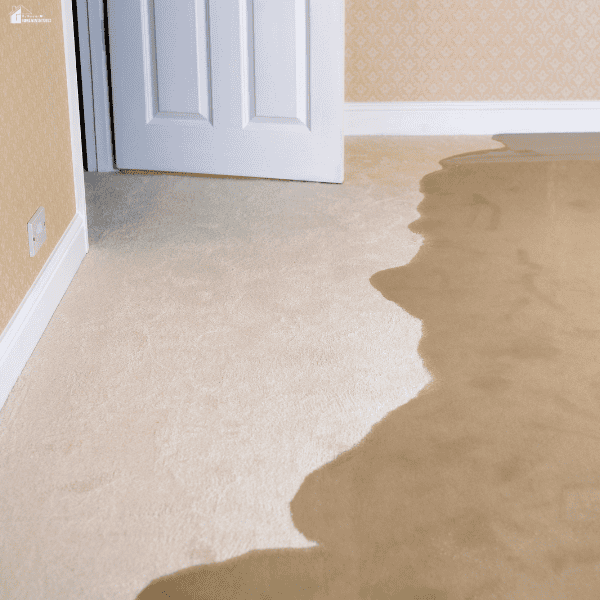
What Should You Do In the First Hour of a Water Leak?
Stop the water and cut the power to wet rooms. Those two moves prevent most of the damage that follows a leak.
Water damage means any harm caused when moisture reaches materials that should stay dry. Drywall, flooring, and wood soak it up quickly. The longer they sit wet, the more you lose.
Find your main shutoff valve before an emergency ever happens. It usually sits near the water meter or where the line enters the house. Turning it a quarter turn can save thousands in ruined floors and walls.
Safety comes first, always. Never wade into standing water near outlets or a running appliance. If a room feels unsafe, call 911 and wait outside.
Which Steps Stop Water Damage From Getting Worse?
Fast, orderly action limits both the mess and the cost. Work through these steps in order once the area is safe.
- Shut off the water source or the main valve right away.
- Switch off power to the affected rooms at the breaker.
- Move furniture, rugs, and boxes to a dry space.
- Soak up standing water with towels, a mop, or a wet vacuum.
- Set up 2 fans and open windows to push air across wet spots.
- Photograph every damaged item before you clean up for your insurer.
A dehumidifier speeds drying in a closed basement or bathroom. Rented units cost about 30 dollars a day and pull far more moisture than fans alone. Keep the air moving for at least 3 days after the surface looks dry.
How Fast Does Water Damage Turn Into Mold?
Mold can start growing within 24 to 48 hours of a material staying wet. That short window is why speed matters more than a perfect cleanup.
Mold is a fungus that spreads through spores and feeds on damp organic material. Paper-faced drywall, carpet padding, and wood trim are favorite targets. Once it takes hold, removal gets messy and expensive.
Government resources agree on the timeline. The safety guidance in the Red Cross flood cleanup advice recommends drying or discarding soaked items fast. Throwing out a wet 20-dollar rug beats treating a wall full of mold later.
If you ever face a bigger repair, planning helps. A steady emergency fund turns a scary bill into a manageable one. Even a small cushion buys time to make calm choices instead of rushed ones.
What Does It Cost to Fix Water Damage at Home?
Costs swing widely based on how much water sat and for how long. A quick mop-up is cheap, while a soaked basement runs into the thousands.
Here is a rough guide to common jobs so you can plan ahead:
- Small clean water leak, dried in a day: 150 to 500 dollars in supplies.
- Water-logged carpet and padding replacement: 300 to 900 dollars per room.
- Drywall removal and patching: 500 to 1,500 dollars per wall section.
- Professional water extraction and drying: 2,000 to 5,000 dollars.
- Sewage or storm flooding cleanup: 4,000 dollars and up.
Building a plan for a budget for repairs keeps these numbers from wrecking your month. Check whether your homeowners policy covers sudden leaks, since many do while excluding gradual damage. Ask your agent before a claim, not during one.
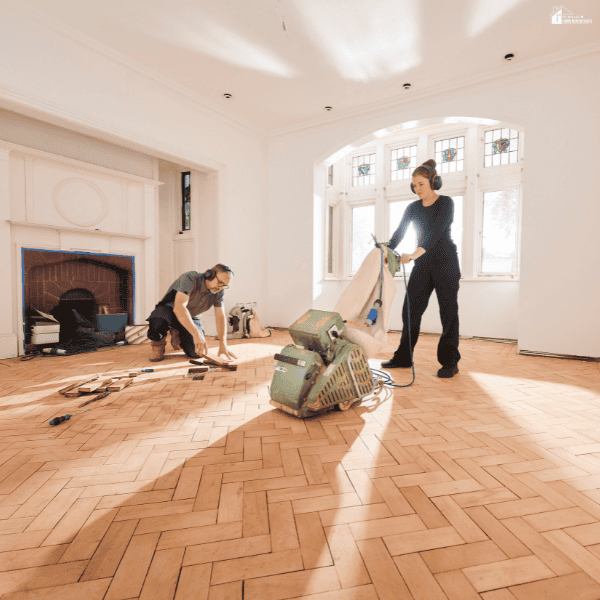
When Should You Call a Restoration Professional?
Call a pro when water covers a large area, keeps coming, or touches sewage. These situations need equipment and drying power a household mop cannot match.
A restoration professional is a trained crew that extracts water, dries structures, and treats surfaces to stop mold. They use industrial pumps, moisture meters, and commercial fans. Certified teams also spot hidden water inside walls and subfloors.
Storm flooding raises the stakes because outdoor water carries dirt and germs. Review the flood safety basics from the weather service before, during, and after any big storm. When in doubt, one phone call for an estimate costs nothing and can save a home.
Keep These Points Handy
- Know where your main water shutoff valve is today.
- Cut power to wet rooms before you touch the water.
- Dry everything within 24 to 48 hours to beat mold.
- Photograph damage first for your insurance claim.
- Set aside a small fund for surprise home repairs.
- Call a pro for large, dirty, or fast-rising water.
Protecting Your Home and Your Wallet
Water damage feels like a disaster, but calm steps shrink both the mess and the bill. Shut off the source, dry things fast, and document everything for your insurer. Handle the small jobs yourself, and bring in a trusted crew when the water wins.
Frequently Asked Questions
How much water counts as a real emergency?
Even one inch of standing water can ruin flooring and drywall. Treat any pooling water as urgent, especially near outlets or appliances. Fast drying within two days prevents most mold problems.
Will homeowners insurance cover water damage?
Many policies cover sudden accidents like a burst pipe. Most exclude slow, ongoing leaks and outdoor flooding. Call your agent to confirm your coverage before you need it.
Can I dry out a wet room myself?
Yes, for small clean-water spills you often can. Use fans, open windows, and a rented dehumidifier for about 3 days. Call a pro if the area is large or the water is dirty.
How do I keep water damage from happening again?
Check hoses, seals, and your roof twice a year for early wear. Keep gutters clear so rain flows away from the foundation. Small habits like these prevent most costly leaks.