The Unseen Side of Keeping a Home Running (and Why It Matters More Than You Think)
This post may contain affiliate links which might earn us money. Please read my Disclosure and Privacy policies here
I used to think keeping a home “together” meant staying on top of the obvious things.
Cleaning the kitchen.
Doing the laundry.
Trying (and failing) to keep surfaces clear for more than a few hours.
But over time, I’ve realized there’s a whole other layer to home life—the stuff you don’t really see, don’t always think about, but somehow affects everything.
It’s the quiet, behind-the-scenes side of things.
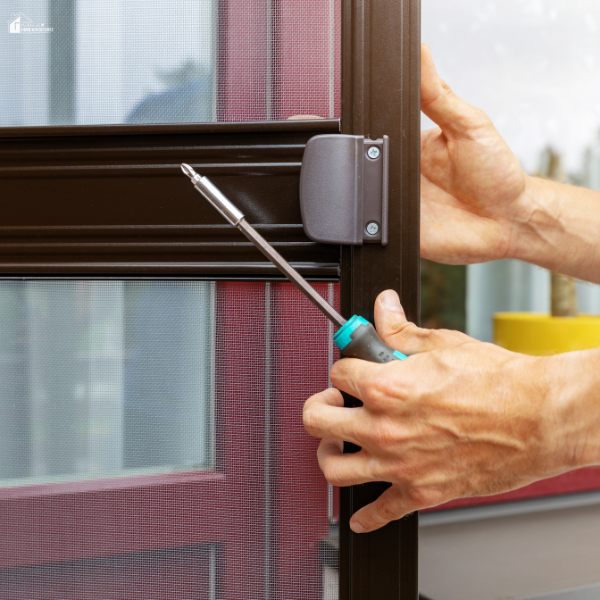
The small maintenance jobs. The tiny fixes. The mental load of knowing something isn’t quite right, even if it’s not urgent.
And weirdly, once I started paying attention to that side of things, everything at home started to feel a bit easier.

The Things You Ignore Are Usually the Ones That Grow
There’s always something in the house that’s slightly off.
A crack you’ve noticed but haven’t dealt with.
Something outside that probably needs attention.
A small issue you keep telling yourself you’ll get to “when you have time.”
And most of the time, it’s fine… until it’s not.
I’ve learned (again, usually the hard way) that the things we ignore tend to grow quietly in the background.
Especially anything structural or external.
Even something that seems minor—like wear and tear on outdoor surfaces or exposed areas—can turn into a bigger problem if left too long. That’s why systems like Pilecap exist in the first place, to protect and maintain structures over time before damage becomes visible.
Obviously, most of us aren’t dealing with large-scale structural systems at home—but the idea still applies.
Small problems don’t stay small forever.
The “I’ll Do It Later” Cycle
If I’m honest, most home issues don’t get ignored because they’re difficult.
They get ignored because they’re inconvenient.
You notice something when you’re busy.
You don’t have the right tool nearby.
You don’t feel like starting something new.
So you put it off.
And then you notice it again later… and do the same thing.
I’ve started catching myself in that cycle more often.
Now, if something is genuinely quick to deal with, I try to just do it then and there.
Not perfectly. Not as a full project. Just enough to stop it from becoming a bigger job later.
Your Home Affects You More Than You Realize
This is something I didn’t fully understand until recently.
The state of your home—how it feels, not just how it looks—has a bigger impact on you than you think.
When things are slightly off, unfinished, or cluttered, your brain doesn’t fully relax.
There’s always that background noise of:
“I need to sort that.”
“Don’t forget about that.”
“I’ll deal with it later.”
And even if you’re not actively thinking about it, it’s still there.
That’s why even small resets or fixes can feel surprisingly calming.
It’s not just about the task—it’s about removing that mental weight.
The Link Between Physical Space and Mental Space
I’ve noticed that when my home feels chaotic, my mind feels the same.
And when things feel calmer at home—even just slightly—it’s easier to think clearly, focus, and actually relax.
It doesn’t mean everything has to be perfect.
But it does mean that taking care of your space is, in a way, taking care of yourself.
That’s probably why things like guided healing have become more popular—people are realizing how connected their environment, routines, and mental well-being really are.
And while you don’t need anything complicated, creating a home that feels manageable and calm plays a big part in that.
The Small Fixes That Change Your Day Without You Noticing
There are certain things that, once fixed, you almost forget about—but they quietly improve your day.
- A door that closes properly
- A drawer that slides smoothly
- A light that actually works the way it should
- A space that’s easier to use
They’re not exciting fixes. No one notices them.
But you feel the difference.
And that’s what I’ve started focusing on more.
Not big, visible changes—but the small ones that remove friction from everyday life.
You Don’t Need a Big Plan (You Just Need to Start Somewhere)
I used to think I needed a proper plan to tackle home maintenance.
A list. A schedule. A full day set aside.
But that always felt overwhelming, so I didn’t start.
Now I just pick one thing.
Whatever stands out the most in that moment.
Fix that one thing, and leave the rest for another time.
It sounds simple, but it works.
Because once you start, it’s easier to keep going.
Learning As You Go Is Enough
I’ve definitely had moments where I avoided fixing something because I didn’t fully understand it.
But most of the time, you don’t need to know everything—you just need to be willing to try.
There’s a lot of trial and error in home maintenance.
You adjust something. Test it. See if it works.
And even if it’s not perfect, it’s usually better than before.
That’s enough.
Thinking Long-Term (Without Overcomplicating It)
Another shift I’ve made is thinking a bit more long-term.
Not in a big, overwhelming way—just small considerations.
If I fix this now, will it save me time later?
If I maintain this, will it last longer?
If I ignore this, what will it turn into?
It’s the same idea people apply to finances.
You don’t need to be an expert, but having some awareness makes a difference. Even something like speaking to a wealth advisor is about thinking ahead and making things more manageable in the long run.
At home, it’s similar.
Small efforts now often prevent bigger problems later.

When It Feels Like Too Much
There are definitely times when everything feels like it needs attention at once.
The house is messy. Things need fixing. You don’t even know where to start.
That’s usually when I stop trying to do everything.
Instead, I ask:
What will make the biggest difference right now?
And I start there.
Not everything. Just one thing.
Because doing something small is always better than doing nothing.
Letting Go of the Idea That Everything Needs to Be Done
This one’s important.
There will always be something to do in a home.
Always.
If you wait until everything is done to relax, you’ll never get there.
So I’ve stopped aiming for “finished.”
I aim for “good enough for now.”
- The main spaces are usable
- Nothing urgent is being ignored
- Things feel relatively under control
That’s enough.
A Home That Feels Lighter to Live In
At the end of the day, I don’t want a perfect home.
I just want one that feels easy to live in.
Where things work the way they should.
Where small issues don’t build up into bigger ones.
Where I’m not constantly thinking about what needs to be done next.
And that doesn’t come from big changes.
It comes from small habits:
- Noticing things early
- Fixing what you can, when you can
- Letting go of perfection
- Keeping things simple
Nothing complicated. Nothing unrealistic.
Just a home that feels a little bit lighter, day by day.