The Boring Home Maintenance Stuff That Actually Makes Life Easier
This post may contain affiliate links which might earn us money. Please read my Disclosure and Privacy policies here
I used to ignore a lot of the “boring” parts of home life.
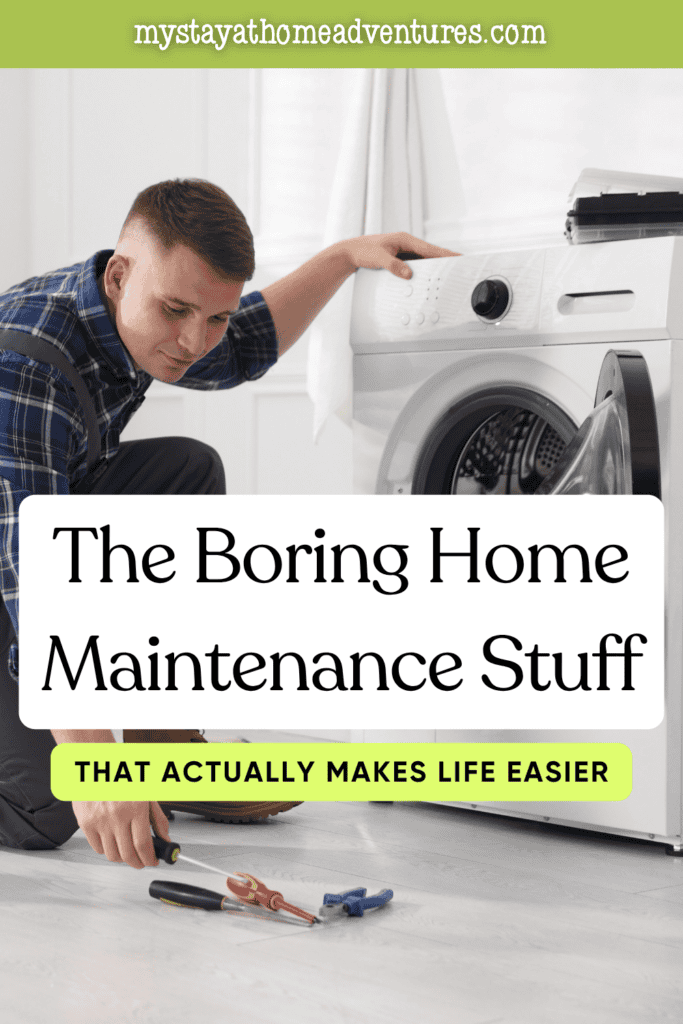
Not the obvious things like cleaning or laundry—but the behind-the-scenes stuff. The things you don’t really see, don’t think about, and definitely don’t feel like dealing with when you’ve got a million other things going on.
Things like checking for small issues, keeping systems running properly, or just noticing when something isn’t quite right.
It always felt like something I’d get to “eventually.”
But what I’ve learned (usually the hard way) is that those are the exact things that come back around later—just bigger, more expensive, and way more inconvenient.
So now, I still don’t love doing them… but I approach them differently.

The Problem With Waiting Until Something Breaks
There’s a certain logic to ignoring small issues.
If it’s still working, it’s fine… right?
That’s what I used to tell myself.
But most home problems don’t just suddenly appear out of nowhere. They build slowly.
A tiny leak becomes water damage.
A strange noise becomes a broken appliance.
Something slightly loose becomes something fully unusable.
And the frustrating part is—you usually notice it early. You just don’t act on it.
I’ve started paying more attention to those early signs.
Not in a stressful way. Just noticing:
- Does something feel different than usual?
- Is something taking longer to work properly?
- Is there a small issue I’ve been ignoring for weeks?
Catching things early has saved me more time and money than any big fix ever has.
The 15-Minute Fix Rule (That I Still Have to Remind Myself About)
I try to follow a simple rule: if something will take less than 15 minutes to fix, just do it.
No adding it to a list. No waiting for the “right time.”
Because the truth is, those quick fixes are the ones that pile up the fastest.
And once they pile up, they start to feel like a full project—which makes you avoid them even more.
It’s a bit of a cycle.
But when you deal with them straight away, they barely register as effort.
You Don’t Need to Know Everything (You Just Need a Starting Point)
One thing that used to stop me from doing small maintenance jobs was not knowing where to start.
I’d think, I don’t really understand this… I should probably leave it.
And sometimes that’s the right call.
But a lot of the time, you just need a bit of guidance.
There’s so much information out there now that makes it easier to understand how things work. Even looking into services or industries outside of your everyday life can give you a better sense of how systems are meant to function.
For example, I came across MCS Associates while looking into technical services, and it reminded me how much of home maintenance is really just about understanding systems and keeping them running properly.
You don’t need to become an expert—you just need to feel confident enough to take that first step.
The Stuff You Don’t See Is Usually the Most Important
It’s easy to focus on the visible parts of your home.
Clean surfaces. Organized spaces. Things that look “done.”
But a lot of the most important things are the ones you don’t see:
- Behind appliances
- Inside pipes or systems
- Structural or hidden areas
- Things working quietly in the background
And because you don’t see them, they’re easy to forget.
Until something goes wrong.
I’ve started doing occasional check-ins—not deep inspections, just quick looks at things I’d normally ignore.
It’s amazing how often you catch something early just by being a bit more aware.
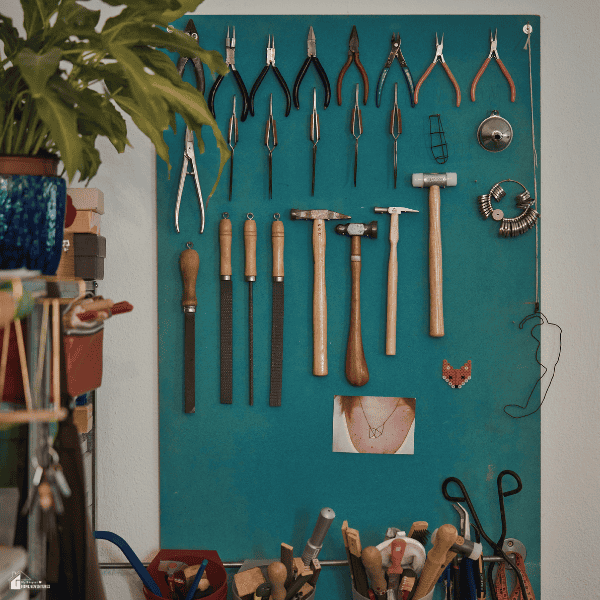
Small Systems Make a Big Difference
One of the most helpful things I’ve done is creating small systems that stop problems before they start.
Nothing complicated. Just simple setups that make things easier.
- A place for tools so I don’t waste time looking for them
- Easy access to cleaning supplies so I actually use them
- Storage that matches how we live, not how I wish we lived
It sounds basic, but it reduces friction.
And when something is easy to maintain, it actually gets maintained.
Learning as You Go (Without Overcomplicating It)
I used to think I needed to fully understand something before I tried to fix it.
Now I’m a bit more relaxed about it.
If it’s low risk, I’ll figure it out as I go.
There’s something quite satisfying about learning through doing—adjusting something, testing it, seeing what works.
And even if you don’t get it perfect the first time, you usually get it better.
That’s enough.
A Slightly Random Perspective That Stuck With Me
This might sound unrelated, but it changed how I think about maintenance.
I came across some professional development content on dexteritypd.com, and it got me thinking about how skills are built over time—not all at once.
You don’t wake up knowing how to manage everything perfectly.
You learn bit by bit. Through experience. Through small mistakes and small wins.
And home maintenance is kind of the same.
You don’t need to know everything now. You just need to keep improving as you go.
When Things Feel Overwhelming, Go Back to Basics
There are times when everything feels like it needs attention at once.
The house is messy, things need fixing, and you don’t even know where to start.
That’s usually when I simplify.
I go back to basics:
- What’s the most used space?
- What’s the most noticeable issue?
- What will make the biggest difference right now?
And I start there.
Not everything at once. Just one thing.
Because once you start, it’s easier to keep going.

The Bigger Picture (Even If You Don’t Think About It Often)
Sometimes I think about how homes, buildings, and even larger environments are maintained on a much bigger scale.
Like infrastructure, systems, or even environmental mapping—things like the work done by Central States Underwater, where everything is carefully measured, monitored, and maintained to prevent issues.
And while that’s obviously on a completely different level, the idea still applies.
Things work better when they’re checked, understood, and maintained regularly.
Ignoring them doesn’t make them go away—it just delays the problem.
Letting Go of the “Perfect Home” Idea
One thing that’s made all of this easier is letting go of the idea that my home needs to be perfect.
Because it won’t be.
There will always be something:
- Something to clean
- Something to fix
- Something that isn’t quite done
And that’s normal.
The goal isn’t to eliminate that completely—it’s to stop it from feeling overwhelming.
A Home That Doesn’t Constantly Need Your Attention
At the end of the day, what I really want is a home that feels manageable.
Not perfect. Not always clean. Not completely “done.”
Just… under control.
Where things work the way they should.
Where small problems don’t turn into big ones.
Where I’m not constantly thinking about what needs to be done next.
And that doesn’t come from big efforts.
It comes from small habits:
- Noticing things early
- Fixing what you can, when you can
- Keeping systems simple
- Letting go of perfection
Nothing complicated. Nothing overwhelming.
Just enough to make life feel a bit easier.