What’s That Noise? Common Household Sounds You Shouldn’t Ignore
This post may contain affiliate links which might earn us money. Please read my Disclosure and Privacy policies here
Every home makes noise. The challenge is knowing which sounds are harmless and which ones signal trouble. Many homeowners ignore small noises because everything still “works.” That approach often leads to bigger repairs later.
Paying attention early saves time, money, and stress. This guide walks you through common household sounds that deserve your attention. You’ll learn what each noise usually means and what you can do about it before it becomes a serious problem.
Banging Pipes After Turning Off Water
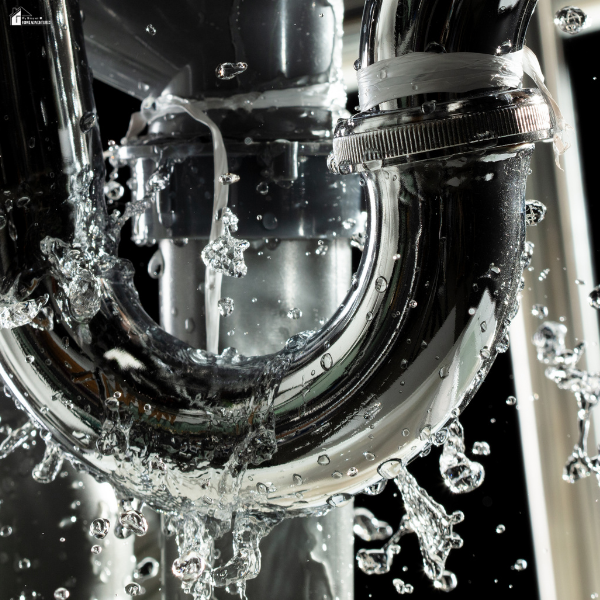
If you hear a loud bang when you shut off a faucet, you’re likely dealing with water hammer. This happens when water flow stops suddenly and pressure pushes back through the pipes. Over time, that force can loosen joints or damage fittings.
Many homeowners ignore it because the system still works, but the stress on pipes adds up. You can start by checking if your pipes are secured properly, especially in exposed areas like basements. Installing a water hammer arrestor often solves the issue.
If the noise keeps getting louder or happens across multiple fixtures, it’s worth having a plumber inspect the system for pressure problems.
Unusual Noises from Well Pumps or Irrigation Systems
Well pumps should run with a steady, consistent sound. If you hear rattling, rapid clicking, or constant cycling, something isn’t working as it should. These noises often point to pressure tank issues, worn components, or air in the system.
A pump that turns on and off too frequently can wear out much faster than expected. You can check pressure settings and look for visible leaks around the system, but deeper problems need proper diagnosis.
This is where professionals like the ones at Sunrise Irrigation come in. Sunrise Irrigation's well pump services include restoring stable operation. Addressing pump noise early helps avoid loss of water pressure and costly system damage.
Low Humming From Walls or Utility Areas
A constant humming noise often comes from equipment running behind the scenes. It could be an HVAC unit, a water pump, or even electrical wiring. The key is to notice if the sound has changed. A louder or uneven hum usually means a part is wearing out or working harder than it should. Start by locating the source.
Check nearby appliances and listen closely to narrow it down. If the noise comes from electrical panels or wiring, don’t ignore it. That can point to loose connections or overheating. Turn off the area if needed and get it checked. Mechanical systems may need cleaning, adjustment, or replacement parts.
Frequent Clicking From Switches or Panels
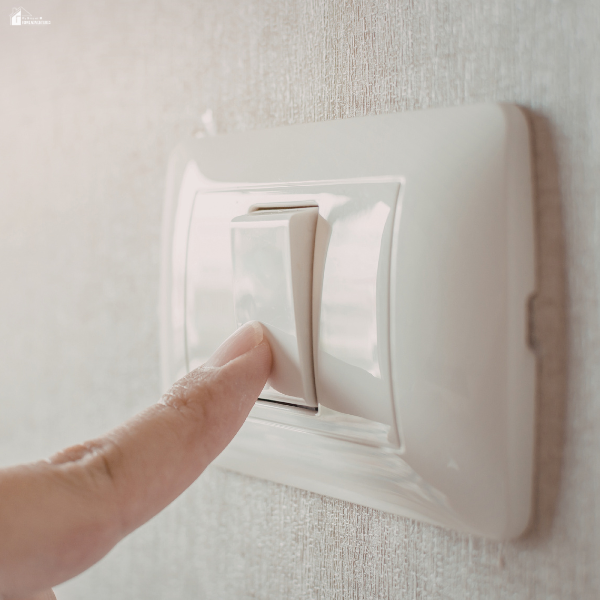
A light switch makes a quick click when you turn it on or off. That’s normal. What isn’t normal is repeated clicking or a delay between flipping the switch and the light turning on. This can mean the internal contacts are worn or loose.
If the sound comes from your electrical panel, it could be a breaker struggling to handle the load.
That’s something you shouldn’t ignore. Electrical issues can escalate quickly and create safety risks. Avoid trying to fix wiring on your own unless you have proper experience. It’s safer to shut off the circuit and have a licensed electrician inspect the system to prevent further damage.
High-Pitched Whistling from Pipes or Fixtures
A sharp whistling sound usually comes from restricted water flow. Mineral buildup inside pipes or fixtures often causes this, especially in older homes. You might hear it when you turn on a faucet or flush a toilet. In some cases, worn valves create uneven pressure, which leads to that high-pitched noise.
Cleaning aerators or replacing small parts can solve the issue if it’s limited to one fixture. If the sound happens throughout the house, the problem may be deeper in the plumbing system. Ignoring it can lead to higher pressure strain and faster wear on pipes. It’s best to address it early before more damage develops.
Grinding Noises Coming From Appliances
A grinding sound from appliances usually means something inside is wearing out or stuck where it shouldn’t be. In dishwashers, it can come from food debris caught in the pump. In washing machines, worn bearings or a failing motor often cause a rough grinding noise during spin cycles.
HVAC units may also make this sound when parts lose lubrication. Start by turning off the appliance and checking for anything obvious, like loose objects or buildup. If the sound continues after cleaning, the issue likely involves internal components.
Running the appliance in this condition can lead to complete failure. At that point, repair becomes more urgent than optional.
Unusual sounds in your home usually have a clear cause, even if it takes some effort to find it. Paying attention to these signals helps you catch problems early and avoid larger repairs later. You don’t need to panic every time you hear a noise, but you shouldn’t ignore patterns or changes.
A sound that repeats or gets louder often points to something that needs attention. Start with simple checks, and don’t hesitate to call a professional when the issue goes beyond basic fixes. Staying aware of how your home sounds is one of the easiest ways to keep everything running safely and smoothly.