Luxury Home Upgrades That Instantly Elevate Any Room (Without a Full Renovation)
This post may contain affiliate links which might earn us money. Please read my Disclosure and Privacy policies here
I used to think “luxury home improvement” meant tearing out walls and writing a check with a lot of zeros on it. Then I redid my own kitchen faucet on a Saturday afternoon and realized how wrong I was.
You don't need a full renovation to make your home feel more expensive, more intentional, and more you. Most of the time, it comes down to a handful of well-chosen pieces – the ones your eye lands on first when you walk into a room.
A statement mirror. A faucet that actually looks like it belongs in the kitchen instead of just working in it. A sideboard that does double duty as storage and style.
Over the past few years, I've upgraded my home one room at a time. Along the way, I've learned plenty through trial and error, including a pot filler installation that taught me more about plumbing than I ever expected.
To help you avoid some of those mistakes, I've rounded up 20 home upgrades I'd recommend. I've organized them by room so you can start with the space that best fits your home, your budget, and the amount of time you're ready to invest in your next weekend project.
Let's start where most people spend the most time: the kitchen.
Kitchen Upgrades That Feel High-End
The kitchen is always the first room I recommend upgrading because it's one of the most-used spaces in any home. It also has the biggest impact on everyday life. You don't need to replace your cabinets to give the room a fresh look. Instead, focus on a few well-chosen fixtures that improve both style and function.
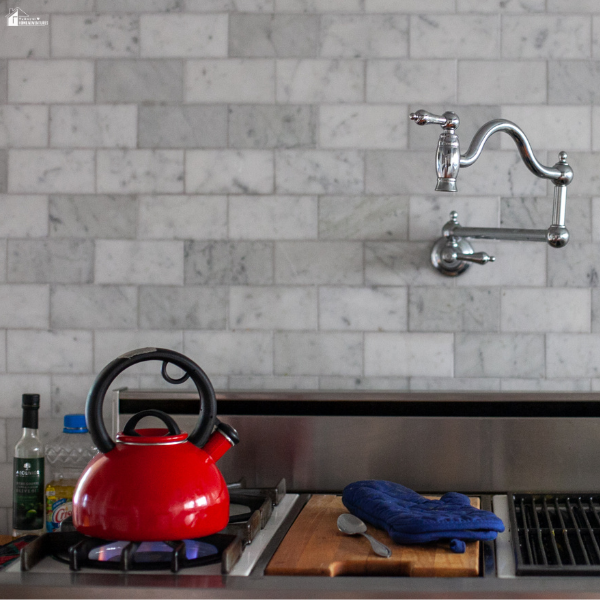
One upgrade that always gets people's attention is a pot filler. I installed one above my range about a year ago because I was tired of carrying heavy pots of water across the kitchen whenever I made soup or pasta. What started as a practical upgrade quickly became one of my favorite kitchen features. It's also the first thing many visitors notice and ask about.
A kitchen pot filler mounts directly above your stove, so you fill pots right where you'll use them – no more sloshing water across the floor on the walk from sink to burner. If you're choosing a finish, brushed nickel is a versatile option that pairs well with most kitchen styles and hardware.
A gold pot filler creates a bolder statement and works best when your kitchen already includes warm metallic finishes, such as brass or gold cabinet hardware and light fixtures.
A stainless steel pot filler is a practical choice if you haven't decided on the rest of your kitchen design. Its timeless finish complements a wide range of styles. However, installing one isn't a simple weekend project because it requires connecting to an existing water line. Unless you have plumbing experience, it's worth hiring a professional to ensure the installation is done correctly.
Choose the Right Faucet, Sink, and Cutting Board
Your kitchen faucet is another upgrade that can make everyday tasks much easier. I replaced my old fixed faucet with a pull-out model, and the difference was immediate. The flexible spray head makes it easier to rinse produce, fill large pots, and clean every corner of the sink. Compared to a fixed faucet, a pull-out design offers much greater flexibility and convenience.
The kitchen sink is another feature that's easy to overlook. I spent weeks comparing different options before choosing a top-mount sink. It was the best fit for my existing countertop because it didn't require changing the countertop cutout. If you aren't replacing your countertops, that's an important factor to consider before selecting a sink style.
Small kitchen upgrades can also have a big impact. I switched from plastic cutting boards to a porcelain cutting board for food preparation near the sink. It resists stains, doesn't absorb odors, and looks attractive enough to leave on the countertop.
A ceramic cutting board is another excellent option if you prefer a different texture. Both porcelain and ceramic cutting boards have non-porous surfaces that are easy to clean and sanitize. That's especially important when preparing raw meat, helping you maintain a cleaner and safer kitchen.
Mirrors That Make a Room Look Twice the Size
If I had to choose one upgrade that delivers the biggest visual impact with the least effort, it would be a mirror. You don't need an electrician or a plumber. With a stud finder and an afternoon, you can make a room feel larger, brighter, and more polished.
Bathroom mirrors have come a long way from the standard builder-grade rectangle above the sink. I replaced mine with an LED mirror, and it improved my morning routine more than I expected.
The built-in lighting around the frame reduces the harsh shadows created by a single overhead vanity light. That makes everyday tasks like applying makeup or shaving much easier. Many LED mirrors also offer adjustable brightness and color temperature. You can switch from a warm, relaxing glow to bright, natural-looking light for daytime use.
Another popular option is an ambient mirror. These models often include touch controls and built-in anti-fog technology. I didn't think I needed those features until I stopped wiping steam off the mirror after every shower.
A few things I'd check before buying one for your own bathroom:
- Power source – some LED mirrors need a hardwired connection, others plug into a standard outlet. It's worth knowing which one you need beforehand – a hardwired mirror can turn a simple swap into an electrician visit.
- Size relative to your vanity – a mirror that's too small will make a wide vanity look unfinished; too large and it competes with your lighting fixtures.
- Dimmer compatibility – not all illuminated mirrors work with existing dimmer switches, so double-check before you assume you can control brightness.
Choose the Right Mirror for Your Living Room
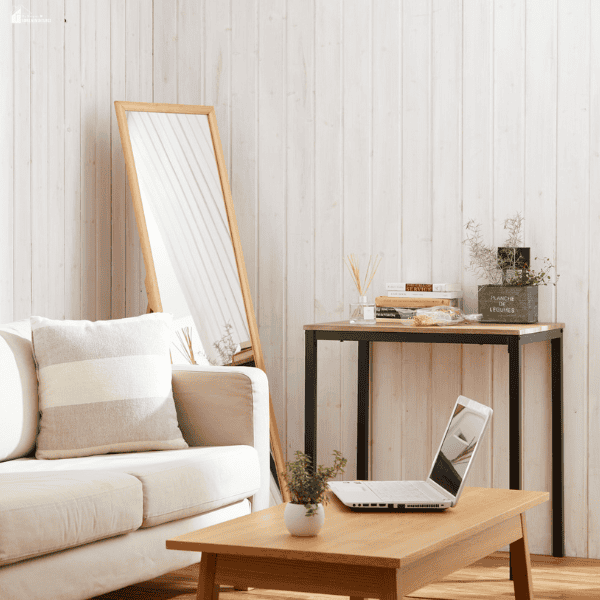
Living rooms and entryways benefit from a different type of mirror than bedrooms or bathrooms. A modern floor mirror leaned against the wall instead of being mounted adds both height and light to a room. I also like that I can move mine whenever I rearrange the furniture, so I'm not committed to one layout.
If you prefer a more traditional look, choose a mirror with a substantial frame. Wood, brass, or mixed-material frames add warmth and character. They also make the mirror feel more like a decorative feature than a purely functional item.
When comparing high-end mirrors, I focus on three details. First, check the frame material. Solid wood or metal is usually more durable than laminate. Next, look at the glass thickness. Thicker glass provides a clearer reflection and is less likely to distort over time. Finally, examine the mirror's backing. Better-made mirrors resist the black spots that often appear around the edges of lower-quality mirrors after a few years.
A well-placed mirror is one of the most affordable upgrades you can make. It instantly brightens a room, reflects natural light, and makes smaller spaces feel larger. That's one reason interior designers use mirrors so often in compact homes.
Statement Furniture with Storage
This is one category I underestimated for years. I used to think storage furniture was purely functional. As long as it hid clutter, I didn't pay much attention to how it looked. That changed when I replaced a basic particleboard cabinet in my dining room with a well-designed sideboard. The difference made me realize how much unused visual potential the room had.
Storage furniture works best when it serves more than one purpose. It keeps everyday items organized while also adding style and character to a space. That's especially important in smaller homes, where every piece of furniture needs to work harder.
Instead of choosing separate pieces for storage and decoration, look for furniture that can do both. A well-designed sideboard, cabinet, or storage console provides space for linens, dishes, or office supplies while enhancing the overall look of the room.
That's really the whole appeal of this category: it's not about buying more furniture, it's about buying smarter furniture.
Choose Storage Furniture That Looks Good and Works Hard
Sideboards are a great place to start if your dining or living room feels unfinished. I chose a design similar to the Artemis sideboard style because it combines clean lines, mixed materials, and practical storage for serving dishes while adding visual interest.
For a more contemporary home, a Luna sideboard with rounded edges and lighter wood tones creates a softer look. If your style is more traditional, a Keenan sideboard offers classic detailing that pairs well with timeless furniture.
No matter which style you choose, match the wood tone or hardware to other finishes in the room. This simple step helps the sideboard feel like a natural part of the space instead of a standalone piece.
When shopping, I pay attention to three things. First, choose enough depth to store more than decorative trays. Second, coordinate the hardware finish with nearby fixtures. Finally, invest in a solid wood piece if your budget allows. It holds up much better to years of daily use than veneer furniture.
The same advice applies to bedroom storage. A dresser with full-extension drawer glides is much easier to use because the drawers open completely without sticking or tipping. If you're short on closet space, a glam chest of drawers with a mirrored or textured finish provides extra storage while adding style.
For smaller homes, closed-door storage cabinets are often a better choice than open shelving. They keep everyday items out of sight, making the room feel cleaner and less cluttered.
One lesson I've learned is that quality storage furniture is worth the investment. Spending a little more on solid construction can save you money over time because you're less likely to deal with sagging shelves, broken drawer glides, or replacing furniture after only a few years.
Lighting That Sets the Mood
It took me years to understand how much lighting affects a room. I used to think brighter was always better. I'd buy the highest-wattage bulb, install it, and move on. Eventually, I realized my dining room still looked flat and uninviting. That's when I learned that good lighting comes from layering multiple light sources instead of relying on one bright fixture.
The first change I made was replacing the outdated ceiling light. Swapping it for a stylish chandelier instantly made the room feel more finished. It's one of the first things guests notice when they walk in.
If you're shopping for a new fixture, you'll see everything from simple designs to handcrafted luxury chandeliers. While premium models often feature hand-finished metalwork or crystal details, you don't have to spend that much to achieve an elegant look. A sculptural design with clean lines adds character without overwhelming the room.
Before choosing a ceiling fixture, I learned a few lessons the hard way.
Start by measuring your ceiling height. A fixture that looks perfect online may feel too large in a low room or too small in a space with high ceilings. I also recommend checking that your electrical box is rated to support the fixture's weight. If you're unsure, ask a licensed electrician before installation.
Finally, install dimmable bulbs from the beginning. Even the most beautiful light fixture can feel harsh if it's always at full brightness. Dimmers let you adjust the lighting for everyday tasks, family dinners, or a relaxing evening at home.
The biggest lesson I learned is that lighting isn't just about making a room brighter. The right combination of fixtures and light levels creates warmth, highlights your décor, and makes your home feel far more comfortable.
Choose Lamps That Add Style and Function
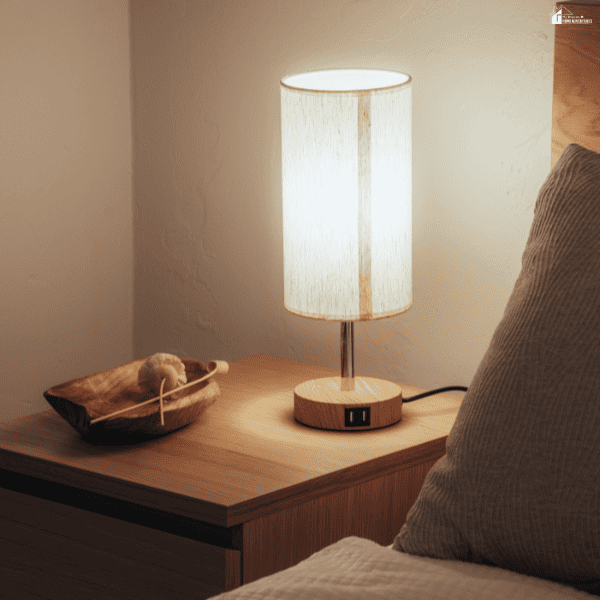
Table and floor lamps deserve the real budget, in my opinion – more than the overhead fixtures do. You don't just glance at a lamp; you reach for it every day, click it on, adjust the shade, sit beside it for hours. That physical contact is exactly why the base matters.
A luxury table lamp built on solid stone, ceramic, or cast metal simply survives years of daily use better than a lightweight resin one ever will. In a reading corner, I've seen a Worrall lamp style pair beautifully with a linen shade – something about the softer, rounded base that suits a slower, quieter space.
A Pesaro table lamp leans the opposite direction, more structured and classic, better suited to a room that already carries some traditional architecture. And for a bar cart or console table, where a lamp has to compete visually with glassware and decor, Burlington lamps tend to hold their own instead of blending into the background.
In a home office or beside a reading chair, a floor lamp solves a completely different problem. A masculine floor lamp – dark metal, sharper angles, an arm you can bend and aim – puts light exactly where a task needs it, instead of washing the whole room evenly the way a ceiling fixture does.
If I could pass along one lesson from actually living through this trial and error: buy the lamps last, after the paint and the major furniture are settled. Light temperature reacts with wall color and wood tones far more than people expect, and a lamp that looked flawless under store lighting can throw an entire room's balance off once it's home.
Home Office Pieces Worth Investing In
My home office started as an afterthought – a leftover corner of the guest room with a folding table I meant to replace “eventually.” Eventually turned into three years. What finally pushed me to actually furnish it properly was realizing I was spending more hours at that folding table than at my kitchen table, and it showed in how little I wanted to sit down and work.
The desk was the first thing I upgraded, and material ended up mattering more than I expected. I looked at a rattan desk early on, drawn to how it lightened up a room that otherwise felt heavy with dark bookshelves.
Rattan has a texture that photographs beautifully, but I'll be honest – it's not the sturdiest option if you're someone who leans on your desk while typing or stacks heavy binders on one side. If durability matters more to you than the airy look, a cane writing desk tends to strike a better balance; the caning is usually reinforced within a solid wood frame, so you get the texture without sacrificing weight capacity.
A woven desk falls somewhere in the middle – the woven detailing is often limited to drawer fronts or side panels rather than the whole structure, which holds up better under daily use while still giving you that natural, textured look.
Choose Office Furniture That Works as Hard as You Do
If you're deciding between desk styles, a wood and cane desk is a great long-term option. A solid wood top easily supports monitors, keyboards, and everyday work, while cane accents add warmth without making the desk feel bulky or overly utilitarian.
Before buying a desk, I recommend looking beyond the design. Check the weight capacity if you plan to use multiple monitors or a printer. Some woven or rattan desks aren't designed to support heavier equipment. Drawer storage also matters.
A desk with shallow drawers may look attractive, but it won't do much to reduce clutter. Finally, don't overlook cable management. Built-in cord openings or hidden channels make a huge difference in keeping your workspace tidy.
If you're creating a dedicated home office, consider adding a matching bookcase. I paired my desk with a cane bookcase that uses the same materials and finish. That small detail made the room feel coordinated instead of looking like I collected furniture from different places.
For offices that also serve as reading or meeting spaces, upholstered furniture can soften the room. A fabric-upholstered desk or accent chair helps balance wood and metal finishes, although fabric does require more maintenance if you regularly eat or drink at your desk.
If you have enough space, a larger rattan office desk gives you room for paperwork, extra monitors, and other work essentials without the visual heaviness of a traditional executive desk.
The biggest lesson I've learned is that the right desk does more than organize your workspace. A comfortable, functional setup makes it easier to stay focused and actually enjoy sitting down to work, which is something you'll appreciate every single day.
Dining & Entertaining Essentials
Dining rooms are strange in that they're often the most furnished room in the house and somehow still the least personal. Mine sat for years with a table and four mismatched chairs I'd never gotten around to replacing – functional, forgettable, and never once complimented by a guest. Changing the chairs, oddly, did more than changing the table ever would have.
Dining chairs are where I'd tell anyone to spend a little more than feels comfortable.
I replaced my mismatched set with luxury dining chairs upholstered in a performance fabric – something I specifically asked about, since dining chairs take more daily abuse than almost any other seating in the house between spills, scooting in and out, and kids leaning back on two legs no matter how many times you tell them not to.
If your dining room doubles as a more casual eating nook, a boucle dining bench on one side of the table instead of individual chairs can fit more people comfortably and softens a room that's otherwise all hard edges – table, chairs, floor.
A few things that mattered more than I expected when actually choosing dining chairs:
- Seat height relative to your table. This sounds obvious, but I once nearly ordered chairs that would have sat almost even with my tabletop – always double-check the clearance before buying.
- Fabric durability, not just color. Ask specifically about abrasion ratings if you're buying upholstered chairs for a family dining table. It's not glamorous, but it saves you from replacing cushions in two years.
- Armless vs. arm chairs at the ends. Small detail, but arm chairs at the head of the table read more finished if you're going for a slightly more formal look.
Accent Furniture That Adds Style and Function
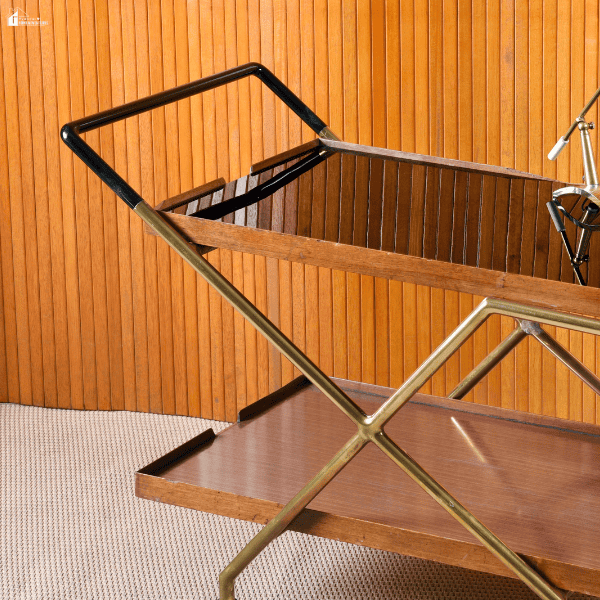
Bar carts are the one piece on this list that's purely for fun, and I don't think that's a bad thing. A black and gold bar cart tends to work as a genuine focal point rather than just extra storage – the metal finish catches light in a way that plain wood carts don't.
If your space leans more neutral or industrial, a grey bar cart blends in more quietly while still doing the job of holding glassware and a few bottles without cluttering a counter. Either way, a bar cart solves a real problem: entertaining without commandeering your kitchen counter every time you host.
Side tables round out a dining or living space in a way people underestimate. Brass side tables hold up well next to a dining bench or in a living room corner, mostly because brass ages gracefully – it develops a soft patina over time instead of looking worn out the way some finishes do.
If you're placing a side table brass piece near a light source, like a lamp or a window, the reflective finish tends to bounce light around the room in a way that darker materials just absorb.
The lesson I'd pass along here, from someone who lived with mismatched dining chairs far too long: entertaining spaces don't need to be large or expensive to work — they just need pieces that feel intentional instead of leftovers
Outdoor Living Upgrades
I'll admit outdoor furniture was the category I put off the longest, mostly because I assumed anything decent would fall apart after one winter left outside. That assumption cost me two seasons of eating dinner on plastic folding chairs on what should have been a genuinely nice patio.
The sofa is usually the anchor piece, and it's worth researching before you buy. I went with something in the luxury outdoor sofa category specifically because the frame was aluminum rather than the cheaper resin-wicker-over-steel combination I'd almost bought – aluminum resists rust in a way steel frames just don't, even with a powder coat.
If you're furnishing a larger patio or a space that changes use often (family dinners one night, hosting a group the next), an allform modular sofa style is worth a look. Modular pieces let you reconfigure the layout – split into two loveseats, push together into an L-shape – without buying an entirely new set when your needs shift.
A few things I wish someone had told me before I bought outdoor seating:
- Check the frame material before the fabric. Fabric can be replaced or reupholstered. A rusted or warped frame usually means starting over completely.
- Ask about cushion fill, not just the cover fabric. Quick-dry foam sheds water and dries out after rain far faster than standard foam, which just holds moisture and eventually mildews.
- Consider your actual climate, not the showroom. A finish rated for “outdoor use” in a dry climate can behave very differently somewhere humid or near saltwater.
Patio Furniture That Combines Style and Function
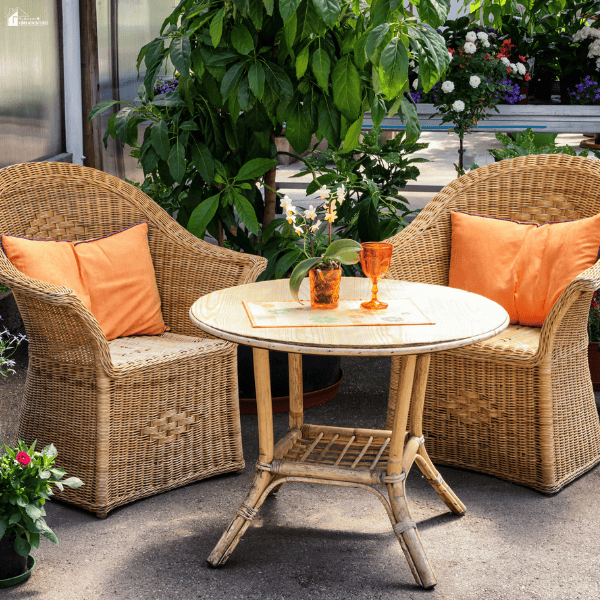
Individual seating pieces solve a problem sofas can't – flexibility. An outdoor accent chair or a pair of outdoor accent chairs gives you room to add seating for a larger gathering without permanently committing that square footage to a sofa.
I like pairing one with an outdoor armchair and ottoman set near a fire pit – chairs alone are fine, but the ottoman turns the same spot into somewhere you'd actually want to sit for an hour instead of just passing through.
Tables tie the whole layout together, and this is where I made my first real mistake. I first bought a coffee table designed for an indoor living room and moved it to my patio. It looked too small as soon as I placed it beside larger outdoor seating. I quickly realized that outdoor coffee tables are usually designed with a larger footprint to match oversized cushions and seating arrangements.
I ended up replacing it and learned that lesson the hard way. A canyon ottoman has also been a great addition. It works as extra seating when guests visit and doubles as a place to set drinks or a serving tray.
If you have room for one standout piece, I'd recommend a chaise lounge. A full-length design with an adjustable back is comfortable enough for relaxing, reading, or enjoying warm evenings outside. It's the piece I use more than any other on my patio, even more than the sofa or dining set.
If there's one lesson I've learned, it's not to cut corners on outdoor furniture. Better-quality pieces are built to handle years of weather and everyday use. While they cost more upfront, they often save money in the long run because they last much longer than cheaper alternatives.
Finishing Touches & Decor Details
By this point in my own home, the big furniture decisions were done – the desk, the sofa, the dining chairs. What I underestimated was how much the small stuff still mattered. A room can have every major piece right and still feel unfinished if nothing on the surfaces has any personality.
Clocks are one of those objects people forget are even a design choice. Most of us rely on the clock built into a microwave or our phone, but a luxury clock can do much more than tell time. Placing one on a mantel or shelf helps anchor the space and adds visual interest, much like a piece of artwork without the need to hang anything on the wall.
If you shop in the higher-end market, you'll often see pieces labeled as expensive table clocks. These models usually feature mechanical movements or hand-finished cases instead of standard quartz mechanisms. Those details add craftsmanship and character to the design.
You don't have to spend a fortune to create the same effect. Even a well-made mid-range clock with a solid, weighted base can make a shelf feel more polished and thoughtfully styled.
Seating that isn't a sofa or dining chair fills gaps most people don't think to address.
I added luxury benches at the foot of my bed and near the entryway. They don't take up much space, but they solve everyday problems. They provide a comfortable place to sit while putting on shoes and a convenient spot to set down bags instead of placing them on the floor.
Small Accent Pieces That Make a Big Difference
I replaced a plain ottoman in my living room with a wrought iron version because the metal base held up much better to my dog's daily excitement than the wood-legged one I had before.
If you're decorating a smaller space, ottomans and poufs are excellent alternatives to larger furniture pieces. They provide flexible seating and are easy to move, stack, or tuck away when you need extra floor space.
Over time, I've learned that small accent pieces deserve just as much thought as larger furniture. Scale is important. A bench or ottoman that's too low can disappear beside taller furniture, while one that's too tall can overwhelm the room. Material matters too. An entryway bench needs a more durable finish than one placed at the foot of a bed because it handles more daily wear.
One decorating trick I always recommend is the “empty surface” test. Walk through your home and look for empty tabletops, consoles, or shelves. Those spaces often need a simple decorative accent rather than another large piece of furniture.
Decorative bowls are one of my favorite finishing touches because they're both practical and attractive. I keep one on my console table for keys, mail, and loose change, which has stopped clutter from collecting on my kitchen counter. I've also found beautiful Buenilum bowls at estate sales and vintage shops. Their hammered aluminum finish adds texture and character without the cost of buying something brand new.
The biggest lesson I've learned is that small details often have the greatest impact. Large furniture pieces catch your eye first, but it's the finishing touches, such as a decorative bowl, a bench, or a thoughtfully placed accent piece, that make a home feel warm, organized, and uniquely yours.
Quick Tips for Prioritizing Your Budget
Upgrading my home one room at a time taught me an important lesson. No one transforms an entire house overnight. Taking things slowly helped me make better decisions and appreciate each improvement along the way.
If you're wondering where to start, focus on the upgrades that make the biggest difference in your daily routine. Prioritize the items you use every day instead of the ones that simply look impressive. For me, my desk and lamp improved my home far more than decorative pieces that only get occasional use.
I also learned to fix everyday frustrations before adding decorative touches. A new faucet or pot filler makes daily tasks easier, while decorative accessories can always come later. When your budget is limited, practical upgrades usually provide the best value.
Another mistake I made was buying too many pieces at once. Living with each item for a while helps you decide what the room really needs before adding more furniture. It also prevents costly purchases that don't work as well as you expected.
When you're ready to invest, spend more on furniture you'll keep for years, such as a dining table, sofa, or solid wood storage piece. Save on trend-driven accessories that are easier to replace as your style changes.
One habit that's saved me both time and money is measuring everything before ordering. I've made mistakes with mirrors, chandeliers, and outdoor furniture simply because I skipped that step.
Finally, finish one room before moving to the next. A completed space feels far more satisfying than several unfinished ones.
The biggest takeaway from my experience is simple. You don't need a huge budget or a full renovation to create a beautiful home. Start with the spaces you use most, choose quality whenever you can, and let your home come together one thoughtful upgrade at a time.
Conclusion
Looking back, I can see how much my home has changed through small, gradual upgrades. I added a pot filler above the stove, installed an LED mirror in the bathroom, and brought in a sideboard that finally gave my dining room a place to store the dishes I only use for special occasions. None of these improvements required a major renovation or an enormous budget.
Instead, each upgrade made my home a little more functional and comfortable. Over time, those small changes added up and made a noticeable difference in how each room looks and works.
It happened one weekend, one room, and one honest assessment of what actually needed fixing at a time.
If a room feels almost right but still unfinished, start with small, functional upgrades. Replace an outdated faucet. Add a mirror with better lighting. Choose a desk that makes you want to sit down and work. These simple changes improve your daily routine. They also add lasting value long before they appear in a “before and after” photo.
If you're specifically looking at kitchen or bath fixtures, mirrors, or statement furniture pieces to start your own list, Haum has a solid range of the pieces I referenced throughout this post – including a good selection of pot filler faucets and LED mirrors if you want a place to start browsing.