
7 Ways to Save on Heating and Cooling Costs
This post may contain affiliate links which might earn us money. Please read my Disclosure and Privacy policies hereUtility bills often creep up because small gaps, habits, and settings work against your system. Simple changes add up across weeks and seasons. With a steady plan, you can trim waste, keep rooms comfortable, and reduce repair headaches.
Homeowners comparing service options, including heating and air conditioning in Sarnia, ask the same question. How do we save money without sacrificing comfort or safety. The answer starts with maintenance, followed by smarter controls and better airflow.
The rest is sealing, shading, and heat management across the home.
Set Smarter Thermostat Schedules
Thermostats do more than show the temperature, they set your bill’s course every hour. Use schedules that match your routine for mornings, work hours, evenings, and sleep. Keep adjustments modest at first, then review energy usage over two full weeks.
Setbacks matter when nobody needs peak comfort during the day. In winter, schedule cooler set points during school or work hours. In summer, schedule higher set points during weekdays, then pre cool before bedtime. Avoid frequent manual overrides that fight your plan and cause short cycling.
The U.S. Department of Energy shares clear thermostat guide you can adapt at home. Start with one routine, compare bills, and lock the gains. Then add occupancy features later only if they help.
Seal Air Leaks And Add Targeted Insulation
Heating and cooling slip through small gaps around windows, doors, and penetrations. Start with a simple test by feeling for drafts on a windy day. Use rope caulk or weatherstripping around sashes and door frames. Fill cable and pipe holes with foam, then trim once cured.
Attic insulation delivers strong returns in many homes that were built years ago. Aim for even coverage without low spots or compressed batts. Keep soffit vents open with baffles, and avoid blocking eaves with insulation. Seal the attic hatch, then add a gasket so it closes tight every time.
Duct leaks waste conditioned air before it reaches rooms that need it most. Check exposed runs for loose joints or aging tape. Seal seams with mastic, then secure with mechanical fasteners where practical. Insulate ducts in unconditioned spaces to reduce temperature loss along the path.
Keep Filters, Coils, And Vents Clean
Systems breathe through filters, returns, and supply vents across the house. Clogged filters force longer cycles and strain motors. Check filters monthly during heavy use, then replace as needed. Keep furniture and drapes clear of returns and supplies to maintain steady airflow.
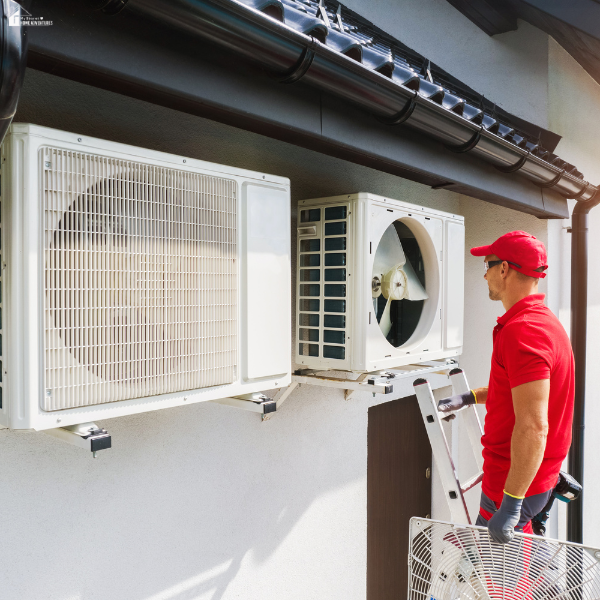
Coils and fans move heat from place to place without complaint when clean. Dust on indoor coils blocks heat transfer and lengthens cycles. Outdoor units also need space, so clear leaves and grass clippings from the cabinet. Maintain two feet of open area on all sides for steady airflow.
Add a simple reminder to your calendar for filter checks. Align it with bill due dates so the habit sticks. Store the filter size on your phone to avoid mistakes at the store. Small consistency here prevents breakdowns and wasted energy later.
Balance Room Airflow Without Closing Vents
Balance matters between rooms, especially with doors closed for privacy. If one room is hot while another is cold, try a quick airflow walk. Open vents fully, listen for whistling, and make small adjustments across nearby rooms. Avoid shutting many vents because pressure rises and efficiency falls.
Use this simple three step check to spot easy wins.
- Open all supply vents and returns, then run the system for ten minutes.
- Note rooms that feel starved or noisy, then adjust one vent per room.
- Recheck after one day, and repeat small changes rather than big swings.
If imbalance remains, review duct runs that pass through unconditioned spaces. Look for crushed flex, long unsupported spans, or sharp turns. Fixing these issues often improves comfort more than a large temperature change. Document what you changed so future fixes stay simple.
Use Free Cooling, Shading, And Fans To Help
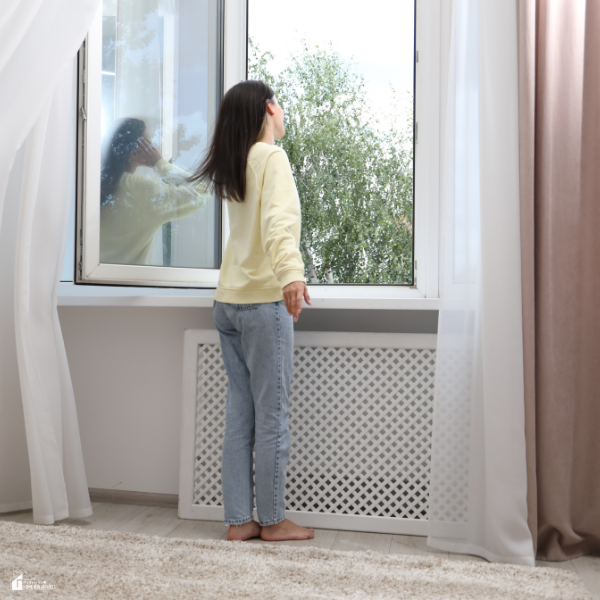
Your home can shed heat without running the compressor all day in summer. In cooler evenings, bring in outdoor air with cross ventilation where safe. Close windows early the next morning to trap cooler air inside. Run bathroom and kitchen fans briefly to remove heat and humidity after cooking.
Shade reduces heat gain on glass and walls during peak sun hours. Plant deciduous trees where they can grow safely, clear of structures. Add exterior shades or awnings that block high sun angles. Inside, use thermal curtains and close them during midday glare to calm indoor temperatures.
Ceiling fans make rooms feel cooler by moving air across the skin. Use forward settings in summer so air moves downward gently. In winter, run them on low reverse to pull air up and mix warmer air. Turn fans off when rooms are empty to avoid wasted electricity.
Manage Hot Water Loads And Hidden Heat
Water heating draws energy and releases heat into nearby rooms. Lower the water heater set point to a safe but efficient level. Insulate accessible hot water pipes in basements and utility rooms. Fix dripping faucets, since constant draws waste both water and energy.
Showers and laundry add humidity that slows cooling and stresses your system. Run the bathroom fan during and after long showers to clear moisture. Vent the dryer outside, and clean its lint screen before every load. Hang drying part of your laundry reduces heat and saves power each month.
Electronics and lighting add heat that your system must remove later. Turn off idle equipment that throws heat into small rooms. Replace older bulbs with efficient models that produce less heat for the same light. Group devices on smart plugs to make the shutoff easy at one switch.
Choose The Right Filter And Watch Indoor Air
Air quality affects comfort, health, and even energy usage across seasons. Filters with higher ratings catch more particles but can raise resistance. Pick a rating that fits your needs and your blower’s strength. Track run times after a change to make sure cycles are not growing longer.
Confused by filter labels that seem hard to compare across brands. The U.S. Environmental Protection Agency explains MERV ratings and home filtration See its overview and buyer guide. Use that information to choose the simplest option that meets your goals.
Watch for dust lines on walls near vents that hint at leakage or poor fit. Check that returns are tight, filters seat fully, and covers close without gaps. A snug filter that fits properly protects coils and keeps airflow steady. That single detail supports comfort and cuts runtime every day.
Bring The Savings Plan Together
Savings build when small steps work together as one home plan. Schedule your thermostat, seal drafts, and keep filters fresh across the year. Balance airflow, add shading, and manage hot water and hidden heat sources. With steady habits and simple tracking, comfort improves and costs move lower month after month.







Great tips, thank you. One extra thing I’d add if you use a fireplace or wood stove: make sure the damper is closed off when it’s not in use. It’s crazy how fast cold air or drafts sneak down that path and chill the whole house. It can drasticlly increase heating bills.
Thank you so much for the tips. I am sure people will find this helpful.
Really helpful tips. I also think I need to add that your HVAC works way better when air can actually get back to the return grille. If you close bedroom doors all the time or have big items pushed up against that area, the system ends up fighting itself. Leaving doors cracked or clearing that path made my system run quieter and cycle less.
Thank you. If you have an old plastic pet door, replace it with double or triple flap one with magnetic deals — and remember to seal around the edges. Drafty pet doors can add up to 15% to bills.
Yeah, curtains and shades do a big job when it comes to temperature control. Thanks for such an interesting post.
Nice checklist! One thing I do at the end of summer that almost no home prep lists mention — check and tighten the screws/fasteners on your attic access ladder or pull-down stairs. Those hinges and screws take a beating from heat and humidity all summer, and when they loosen, the ladder can bend slightly. That tiny shift creates a gap when you close it up, and come fall/winter that gap becomes a path for cold air. A quick torque with a drill and a bead of caulk around the frame seals it up for both comfort and critter prevention.