What Should You Consider When Adding Glass Features Around a Pool?
This post may contain affiliate links which might earn us money. Please read my Disclosure and Privacy policies here
A pool area should feel open, safe and easy to enjoy. Glass can help create that result by keeping sightlines clear, bringing in more natural light and giving the space a clean, modern finish. But the right design depends on more than appearance.
Before choosing glass features around your pool, think about safety, privacy, weather exposure, access and how each element will work with your home. This guide explains the key decisions that can help you create a pool area that looks great and performs well over time.
Start With Pool Safety and Compliance
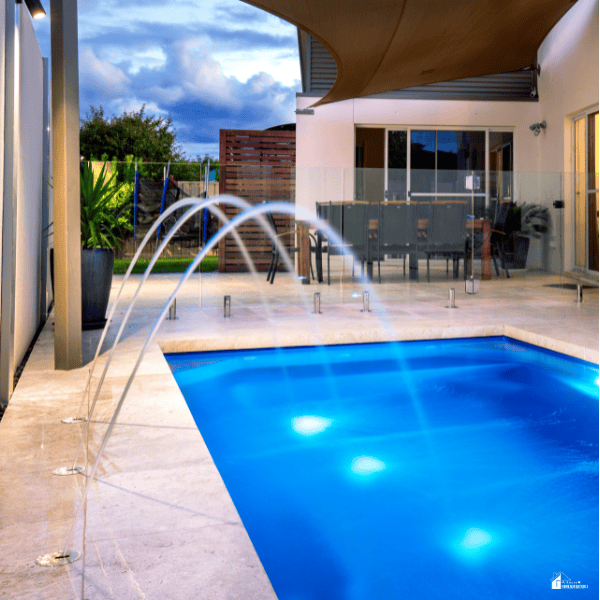
Safety should shape every decision around a swimming pool. A glass barrier needs to form a secure boundary while still allowing adults to see into the pool area from nearby spaces. The placement of gates, latches, furniture and landscaping can all affect how safely the area functions.
If you are planning glass pool fencing Sydney, think carefully about where people will enter and leave the area. A gate should be easy for adults to use but difficult for young children to open. Keep climbable items, such as chairs, pot plants and storage boxes, away from the barrier so they do not create an easy route over the fence.
Glass also makes it easier to spot hazards around the pool. Clear panels can improve visibility when children are swimming, guests are moving between entertaining areas or someone needs help quickly. However, clean sightlines do not replace active supervision.
Before installation, discuss the layout with a qualified pool fencing professional. They can help identify practical issues, including uneven ground, gate swing direction, drainage points and clearance around the pool edge.
Plan Shade, Shelter and a Glass Roof
A pool can become uncomfortable when the surrounding area has little shade or protection from rain. A glass roof can create a covered zone for dining, lounging or walking between the house and pool without making the area feel enclosed.
A professionally designed glass roof can suit outdoor kitchens, poolside seating areas and connections between indoor and outdoor spaces. The design should allow water to drain away properly and should suit the structure supporting it. Poor drainage can lead to water pooling, staining and ongoing maintenance issues.
Think about how the space will feel across different times of day. Glass lets in daylight, but direct sun can create glare and heat around the pool. The orientation of your home, nearby trees and existing shade structures can influence where a roof will work best.
You may also want to discuss options that reduce glare or provide extra shade without blocking too much light. The best choice will depend on how you use the area, whether the pool receives afternoon sun and how much privacy you want from neighbouring properties.
Choose Glass That Suits the Location
Not all glass features serve the same purpose. Pool fencing, balustrades, screens, doors and roofing panels each need a design suited to their location and use. The glass should be selected as part of the whole structure, including its supports, fittings and surrounding surfaces.
For example, frameless glass pool fencing can create a minimal look with fewer visible posts, while semi-frameless fencing may suit homes that need a stronger visual frame or work with existing metal finishes. Both options can provide clear views when designed and installed correctly.
When reviewing options, look at:
- How exposed the area is to wind, rain and salt air
- Whether the ground is level and stable
- The amount of direct sunlight the glass will receive
- How much privacy is needed from neighbours
- The finish of nearby gates, decking, paving and outdoor furniture
- How easily the glass can be cleaned and maintained
A glass feature should feel connected to the rest of the property. Matching the fittings with existing window frames, handrails or outdoor fixtures can make the result look intentional rather than added on later.
Think About Access and Everyday Use
A pool area may look spacious on a plan but feel cramped once furniture, toys, towels and people are using it. Leave enough room for people to walk safely around the pool, open gates without obstruction and move between the house, entertaining area and garden.
Plan where wet swimmers will enter the home, where towels will be stored and how food or drinks will be carried to outdoor seating. These small details can affect whether the space feels convenient or frustrating during regular use.
It also helps to separate high-traffic areas from quieter spaces. For example, a clear path from the house to the pool can reduce people walking through an outdoor dining area. A sheltered seating zone can give parents or guests a comfortable place to sit while keeping the pool visible.
Avoid placing furniture directly against glass fencing or screens. Besides creating a safety concern, this can make cleaning harder and cause scuff marks on the glass or fittings.
Balance Openness With Privacy
Clear glass can make a backyard feel larger, especially in smaller homes where solid fencing may visually close off the pool. However, open views can also expose the pool area to neighbouring windows, nearby balconies or passing foot traffic.
Walk around the property before finalising the design. Look at the pool area from inside the home, from the garden and from neighbouring sightlines where possible. This can reveal privacy issues that are easy to miss when looking only at a layout drawing.
Privacy can be improved through careful placement rather than blocking every view. You may use landscaping, solid boundary fencing, screens or covered areas to shield selected zones while keeping the pool itself visible. This approach can retain the open feel of glass where supervision matters most.
Think ahead about how plants will grow. A small hedge may offer little privacy when installed, while a mature screen could block light, crowd the pool area or make maintenance more difficult.
Prepare for Cleaning and Maintenance
Glass around a pool needs regular care to keep it clear and attractive. Water splashes, sunscreen, fingerprints, leaves and dust can quickly build up, particularly on panels near gates and high-use areas.
Cleaning is usually simpler when access has been planned from the start. Leave enough room around fencing and glass walls so each panel can be reached safely. Avoid designs that leave narrow gaps where dirt and leaves collect but cannot be easily removed.
A practical maintenance routine may include:
- Rinsing salt, chlorine residue and dust from glass surfaces
- Cleaning panels with products suited to glass and the surrounding fittings
- Checking gates and latches for smooth operation
- Removing leaves and debris from drainage areas
- Inspecting seals, brackets and hardware for wear or movement
- Keeping trees and shrubs trimmed away from glass panels
Do not ignore loose fittings, dragging gates or visible movement in a panel. Early repairs can help prevent a smaller issue from becoming a safety concern or causing damage to the surrounding structure.
Work With the Existing Landscape and Materials
Glass features should complement the materials already used around your pool. Paving, decking, retaining walls, garden edges and outdoor furniture all influence how the final space will look and feel.
A modern glass barrier may suit large-format tiles, concrete paving and contemporary homes, while slimline fittings can also work well beside timber decking or natural stone. The aim is not to make every element identical. It is to create a balanced result where materials work together.
Take notice of surface levels and water flow before installation. Pool areas often need careful drainage planning, especially where a glass roof, paved entertaining area or retaining wall sits nearby. Water should move away from the house and should not create slippery areas around gates, steps or seating zones.
If the backyard has slopes, raised garden beds or changes in level, ask how these features will affect the placement of glass. A tailored design can help maintain safe access and reduce awkward gaps between the barrier and surrounding surfaces.

Make Decisions That Support Long-Term Use
A pool area should work for your household now and remain practical as your needs change. You may currently use the space for family swimming, but later want more room for entertaining, outdoor dining or relaxed weekend use.
Choose a layout that leaves flexibility. Avoid crowding every edge of the pool with fixed furniture or large structures. Keeping some open space can make it easier to update the area later without changing the entire design.
It can also help to think about who will use the space most often. Young children, teenagers, older family members and guests may all need different things from the area. Clear paths, stable surfaces, shaded seating and safe access points can make the pool more enjoyable for everyone.
Create a Pool Area That Looks Good and Works Safely
Glass features can make a pool area feel brighter, more open and easier to supervise. The strongest result comes from planning safety, shade, access, privacy, drainage and maintenance together rather than treating each feature as a separate decision.
If you are planning glass fencing, roofing or other poolside glass features, speak with Majestic Glass about a design that suits your property, lifestyle and outdoor space. Get a free quote to start planning a safer, more polished pool area.
FAQs
Is a glass roof suitable near a swimming pool?
A glass roof can be suitable near a swimming pool when it is designed for the location, supported correctly and planned with drainage in mind. It can provide cover for seating, walkways or outdoor dining areas while allowing natural light into the space.
The design should also account for glare, heat, wind exposure and the amount of shade you want around the pool.
Does a glass roof make a pool area hotter?
A glass roof may increase warmth beneath the covered area when it receives direct sunlight, especially during warmer months.
The effect depends on the roof’s position, size, orientation and nearby shade. A well-planned design can balance natural light with comfort by placing the roof over selected areas rather than covering the entire pool space.
How do you clean a glass roof near a pool?
A glass roof near a pool should be cleaned regularly to remove dust, leaves, water marks and residue from pool chemicals. Use cleaning products that are suitable for glass and the roof’s fittings.
Safe access matters as much as the cleaning method, so avoid climbing onto the structure or using unsafe equipment to reach high panels.
Can a glass roof provide shade beside a pool?
A glass roof can provide shelter from rain and reduce some direct exposure while still allowing daylight through.
The amount of shade will depend on the glass type, roof orientation and the time of day. If stronger shade is needed, the design may include additional shading features or be positioned over seating and dining areas rather than the pool itself.
What should I ask before installing a glass roof?
Before installing a glass roof, ask how it will be supported, where rainwater will drain, how it will affect sunlight and whether it suits the surrounding structure.
You should also ask about cleaning access, maintenance needs and how the roof will work with pool fencing, landscaping and outdoor furniture. A site-specific design helps avoid problems with access, glare and water flow.