How Do You Choose the Right Artificial Lawn for Different Spaces?
This post may contain affiliate links which might earn us money. Please read my Disclosure and Privacy policies here
Artificial lawn can make an outdoor area look tidy and usable throughout the year, but one type of turf will not suit every space. A family backyard, pet run, school play area and retail frontage all face different levels of foot traffic, drainage needs and cleaning demands.
The right choice starts with how the area will be used every day. By looking at the surface underneath, the people or pets using it, and the level of upkeep you can manage, you can select artificial grass that looks natural and performs well for years.
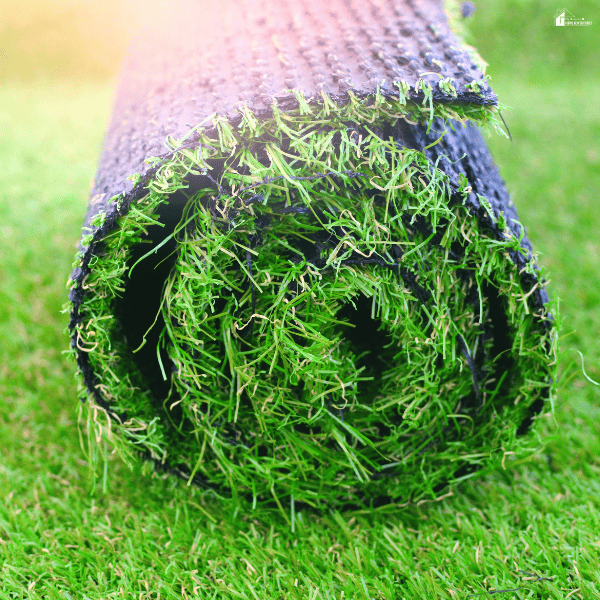
Match the Lawn to How the Space Will Be Used
Start by defining the main purpose of the area. A decorative garden border has very different needs from a play space where children run, a courtyard used for entertaining or a dog area exposed to regular digging and cleaning.
For homes with dogs, pet-friendly artificial grass can help create a cleaner outdoor space that is comfortable underfoot and easier to maintain than natural grass in high-use areas. Choose a product and installation method that supports effective drainage, particularly where pets regularly use the same section of the yard.
Think about the movement through the space as well. Turf beside a pool, path or outdoor dining area may receive repeated foot traffic in narrow sections. A lawn that looks good in a low-use garden may flatten more quickly if it is installed where people walk every day.
Before selecting a product, write down what the area needs to handle:
- Children playing, running or sitting on the surface
- Dogs using the lawn for exercise or toilet breaks
- Outdoor furniture, play equipment or garden features
- Regular entertaining and foot traffic
- Exposure to sun, shade, rain or falling leaves
- Easy access for cleaning and maintenance
This simple exercise helps prevent choosing turf based only on colour or pile height. The best lawn is one that matches the way the space actually works.
Choose Pet Friendly Artificial Grass for Active Homes
Pets can quickly wear down natural grass, especially in smaller yards where they use the same path or toilet area each day. Mud, bare patches and muddy paws can become an ongoing problem after rain. Artificial turf can provide a more consistent surface when it is designed and installed for pet use.
Pet friendly artificial grass should feel comfortable for paws, drain well and be simple to rinse or clean when needed. The base beneath the lawn plays a major role in this. If water cannot move through the system properly, odours and puddles may develop, even when the turf itself looks clean.
Look at the daily habits of your pets. Larger dogs, multiple pets and energetic breeds may need a tougher surface than a quiet indoor-outdoor cat or a small dog that uses only a limited section of the garden. A professional installer can help match the product, base preparation and drainage plan to the area.
Good pet lawn planning includes enough room for water to drain away from the home and nearby structures. It should also avoid trapping leaves, loose soil and organic debris beneath furniture, around garden edges or near outdoor taps.
Find a Durable Option for Business and Public Areas
Business properties often need artificial turf that can handle more regular use than a private backyard. Entry areas, childcare centres, display spaces, hospitality venues and shared outdoor zones may experience constant foot traffic from customers, staff, children or visitors.
Commercial artificial grass can suit spaces that need a neat, low-maintenance appearance without the watering, mowing or patchy wear associated with natural lawns. The best option will depend on the expected traffic, safety needs and the type of activity taking place on the surface.
A commercial setting may need a denser, more durable turf than a decorative home garden. It also needs a stable base and secure edges to reduce movement over time. Areas exposed to chairs, tables, prams, equipment or frequent cleaning require careful product selection and installation.
Before choosing turf for a business or shared space, check:
- How many people use the area each day
- Whether the turf is decorative, recreational or part of a play area
- The amount of shade, heat and weather exposure
- Access for cleaning equipment and maintenance staff
- The need for drainage around buildings, paths and outdoor seating
- Whether the surface joins concrete, paving, decking or garden beds
A well-planned commercial installation supports a cleaner presentation while helping the area remain practical during busy periods.
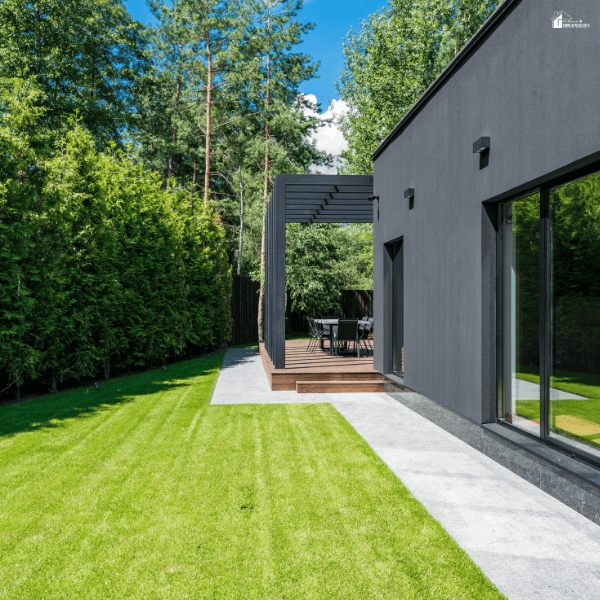
Check the Surface Underneath Before Installation
Artificial lawn is only as good as the preparation beneath it. Installing turf over an uneven, poorly drained or unstable base can lead to dips, wrinkles, water pooling and uneven wear. These issues often become more obvious after the lawn has been used for a while.
The existing surface may be soil, concrete, pavers, compacted gravel or an older lawn. Each one needs a different preparation approach. Soil often requires excavation, levelling and a suitable base layer, while concrete may need drainage planning and a method that allows the turf to sit securely.
A professional site inspection can identify concerns before installation begins. Slopes, drainage channels, nearby downpipes, tree roots and changes in height all affect how water moves through the area. Water should not be directed toward the house, garage or neighbouring property.
Ask how the installer will create a smooth surface, manage drainage and secure the turf at the edges. A tidy finish around paths, garden borders and walls can make the whole outdoor area look more natural.
Think About Pile Height, Feel and Appearance
Artificial grass comes in different pile heights, colours and textures. A longer pile can create a lush look, while a shorter pile may be better for areas that need a firmer surface or easier cleaning. The right choice depends on use, rather than which sample looks best in isolation.
Take samples outside if possible. Look at them in direct sun, shade and near the materials already in your yard. A turf colour that looks appealing indoors may appear very different beside paving, timber, brickwork or garden plants.
The feel underfoot also matters. A children’s play area, pet space and entertaining zone each benefit from a surface that suits the people using it. If you expect regular activity, choose a lawn designed to recover after use and retain a neat appearance.
Try not to choose turf solely because it has the longest pile. Longer fibres can look soft and full, but a lawn still needs support, drainage and regular brushing to remain upright and presentable.
Plan for Heat, Shade and Drainage
Australian backyards can experience strong sunlight, heavy rain and changing conditions throughout the year. Artificial grass does not need watering or mowing, but site conditions still affect comfort and performance.
Turf in full sun may feel warmer than natural grass. This is worth planning for in areas where children or pets spend time during the hottest part of the day. Shade from trees, pergolas or umbrellas can make the space more comfortable, but dense shade can also lead to leaves and debris building up on the surface.
Drainage needs attention in every installation, especially in pet areas, courtyards and spaces near buildings. Water should move through the turf and base without creating puddles or directing runoff toward doors and walls. A site with poor drainage should be addressed before the lawn is fitted.
Simple habits can keep the surface in better condition:
- Remove leaves, sticks and loose debris regularly
- Brush high-use areas to lift the grass fibres
- Rinse pet areas when needed
- Keep garden soil and mulch off the turf
- Check edges and joins for movement
- Clear nearby drains and gutters during wet weather
These tasks are usually straightforward, but they help preserve the appearance and function of the lawn.
Choose a Safe Layout for Children and Pets
Artificial lawn can create a softer-looking play and pet area, but the full layout still needs careful thought. Play equipment, steps, garden edging, pools and outdoor furniture can create hazards if the space is not planned well.
Keep clear walking routes between the house, outdoor entertaining areas and gates. Avoid placing large items where they block access or create a trip risk. If the lawn is installed beneath play equipment, ask whether the surface and base are suitable for that use.
For pet spaces, locate water bowls, gates and shaded areas where they are easy to access and clean. Try to avoid narrow corners where waste and debris may collect. If the area is used by several pets, a slightly larger or more open layout may make cleaning easier.
Choose edging that secures the lawn without leaving sharp or raised elements around the perimeter. A clean border can also help separate turf from garden beds and reduce the chance of soil spreading across the surface.
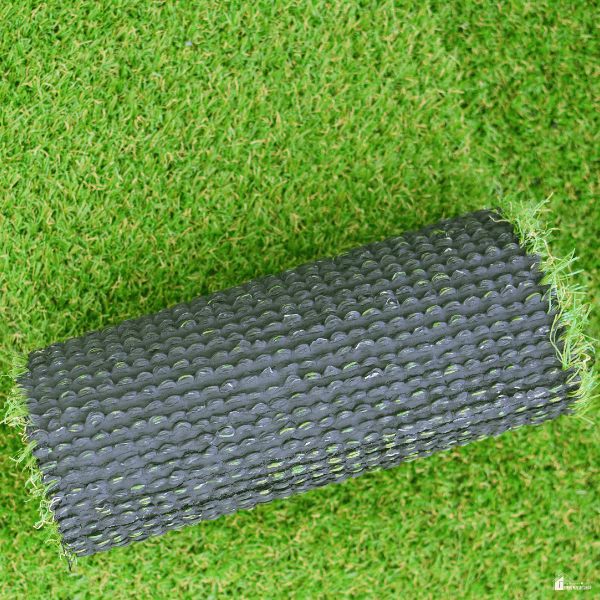
Plan for Long-Term Care
Artificial grass is lower maintenance than natural lawn, but it is not maintenance-free. Regular care keeps it clean, helps the fibres stand upright and allows you to identify small issues before they become larger repairs.
The level of care depends on where the turf is installed. A quiet decorative area may need occasional brushing and leaf removal, while pet zones, commercial spaces and play areas may need more frequent cleaning.
Watch for signs that the area needs attention, such as:
- Water sitting on the surface after rain
- Loose or lifting edges
- Flattened fibres in busy walking areas
- Strong odours in pet zones
- Weeds appearing around joins or borders
- Uneven areas that feel soft or unstable underfoot
Addressing these issues early can protect the surface and help maintain a cleaner, safer outdoor area.
Choose Artificial Lawn That Fits Your Space
The right artificial lawn should suit the people, pets and activities that use the area each day. Focus on drainage, surface preparation, expected traffic, comfort and long-term care before making a final choice.
Whether you need a pet space, family backyard or durable commercial area, A1 Synthetic Grass can help you select an artificial lawn solution that suits your property. Get a free quote and start planning a clean, practical outdoor space.
FAQs
Is pet friendly artificial grass safe for dogs?
Pet friendly artificial grass can be a suitable option for dogs when it is installed with a well-prepared base and effective drainage. The surface should be comfortable for paws and easy to clean after use. Regular rinsing, removal of pet waste and brushing can help keep the area fresh.
Choose a product designed for regular use, particularly if you have large dogs, multiple pets or an active outdoor space.
Does pet friendly artificial grass smell after pets use it?
Pet friendly artificial grass should not develop ongoing odours when it drains properly and receives regular cleaning. Urine needs to move through the turf and base instead of remaining on the surface.
Rinsing the area, removing solid waste promptly and clearing leaves or debris can help. If odours persist, the issue may relate to drainage, cleaning routines or the installation beneath the lawn.
Can pet friendly artificial grass handle digging?
Pet friendly artificial grass can reduce damage from digging when it is fitted securely with a stable base and properly finished edges.
However, no surface can fully stop a determined dog from digging if it can reach a loose edge or soft ground nearby. Secure installation, suitable edging and redirecting digging behaviour can help protect the lawn. Check the perimeter regularly for lifting or movement.
How do you clean pet friendly artificial grass?
Clean pet friendly artificial grass by picking up solid waste promptly, rinsing the affected area with water and removing leaves or loose debris. Brushing the fibres can help maintain the lawn’s appearance, especially in busy sections.
Follow the product care guidance for any cleaning products. Avoid using harsh chemicals that could damage the turf, nearby plants or the drainage system beneath the lawn.
Is pet friendly artificial grass suitable for small backyards?
Pet friendly artificial grass can work well in small backyards because it creates a neat, usable surface without muddy patches or worn grass paths. It is particularly useful where dogs have limited room and return to the same areas often.
Good drainage and easy access for cleaning are especially important in smaller spaces. Plan shade, water access and clear movement paths so the yard remains comfortable for both pets and people.