When Does Your Home Need an Electrical Upgrade?
This post may contain affiliate links which might earn us money. Please read my Disclosure and Privacy policies here
A flickering light, a power point that feels warm or a circuit that trips when the kettle and microwave run together can be easy to dismiss. Yet these issues may point to an electrical system that is struggling to support the way your household uses power today.
Modern homes rely on more appliances, technology and charging points than many older properties were designed for. An electrical upgrade can improve safety, support new additions and give you greater confidence in your home’s power supply. Here are the signs that it may be time to call a licensed electrician.
Watch for Electrical Warning Signs
Electrical issues should never be ignored, especially when they occur repeatedly. A single tripped circuit can happen for many reasons, but regular tripping, flickering lights or outlets that do not work properly may need professional attention.
If you smell burning, see smoke or sparks, experience an electric shock, or notice a hot switchboard or power point, stop using the affected equipment where it is safe to do so. Contact an emergency electrician in Sydney for urgent help. Do not attempt to investigate wiring, remove covers or repair the issue yourself.
Warning signs that may indicate a problem include:
- Circuit breakers that trip regularly
- Flickering or dimming lights
- Burning smells near outlets, lights or the switchboard
- Power points that feel warm, loose or damaged
- Sparking when a plug is inserted or removed
- Cracked switches, exposed wiring or discoloured fittings
- Electric shocks or tingling from appliances or taps
- Extension leads used as a long-term solution
Some faults appear only when several appliances run at once. Others may become obvious after installing a new air conditioner, oven, hot water system or electric vehicle charger. A licensed electrician can identify the cause and advise whether repairs, new circuits or a broader upgrade are needed.
Review Your Switchboard and Safety Devices
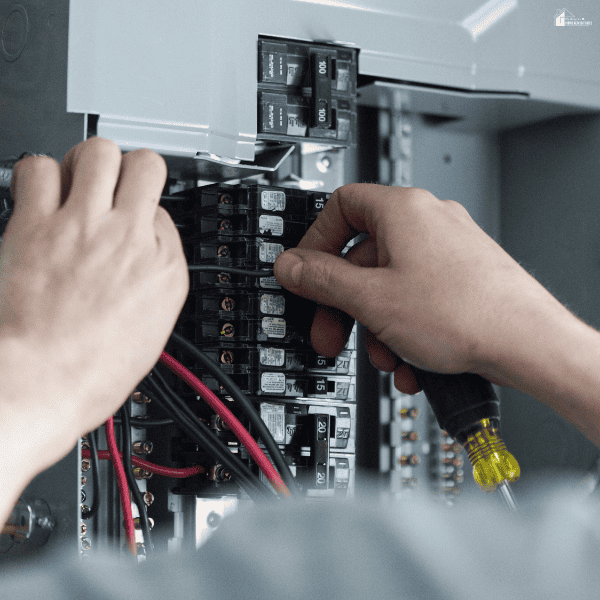
The switchboard distributes electricity through your home and helps protect circuits from faults. Older switchboards may not suit the electrical demands of a modern household, particularly if you have added appliances, renovated rooms or installed new equipment over time.
A switchboard upgrade Sydney may be needed when your existing board lacks suitable safety devices, has limited capacity for additional circuits or shows signs of age and damage. The scope of work depends on the property, the condition of the existing electrical system and the equipment you plan to run.
Your electrician may inspect the switchboard for:
- Safety switches with test buttons
- Circuit breakers and their condition
- Available room for new circuits
- Signs of overheating, corrosion or damage
- Clear circuit labelling
- Wiring condition and connections
- The suitability of the board for current household loads
Safety switches and circuit breakers serve different roles. A circuit breaker helps protect wiring and electrical circuits, while a safety switch is designed to cut power when it detects a fault. A licensed electrician can check whether the protection in your home is suitable and operating as intended.
Your Home Has Been Renovated or Extended
Renovations often place extra demand on an electrical system. A new kitchen may include induction cooking, a dishwasher, rangehood and extra power points. A home office may add monitors, charging equipment and air conditioning. An extension can introduce new lighting, outlets and outdoor electrical work.
Adding these items without checking the existing system can lead to overloaded circuits or an outdated switchboard. An electrician can review the electrical load, plan separate circuits where needed and make sure new work is completed safely.
Common projects that may trigger an upgrade include:
- Kitchen or bathroom renovations
- Home extensions and granny flats
- New air conditioning systems
- Solar or battery installations
- Pool pumps and outdoor lighting
- Electric vehicle charging equipment
- New ovens, cooktops or hot water systems
- Garage or workshop fit-outs
It is better to include electrical planning early in a renovation rather than treating it as a final detail. This gives the electrician access to walls, ceilings and switchboard areas before finishes are completed.
You Are Running Out of Power Points
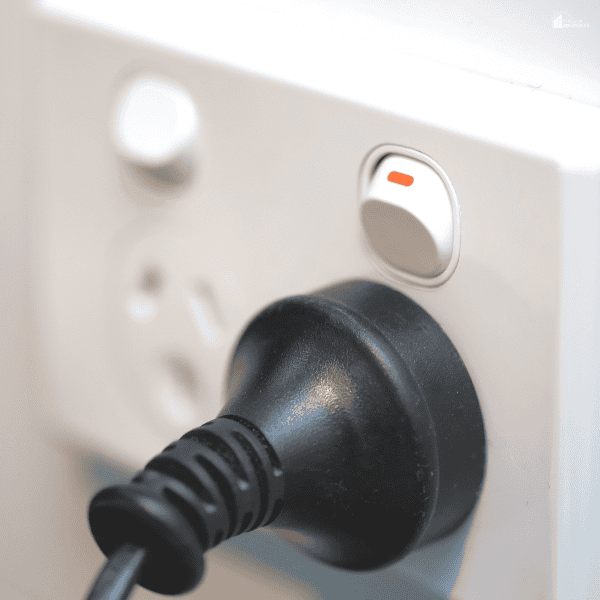
A shortage of power points can lead to power boards and extension leads being used in ways they were not intended for. While temporary use may be practical, relying on multiple adaptors or leads around the home can create clutter, trip hazards and added strain on a single outlet.
If you regularly unplug one appliance to use another, it may be time to install more fixed power points in suitable locations. This is often useful in kitchens, bedrooms, home offices, garages and entertainment areas.
Think about where power is actually needed each day. A good layout may include outlets near bedside tables, desks, kitchen benches, television walls, laundry appliances and charging areas. An electrician can help position new points to suit the room without relying on visible leads across walkways.
Do not try to replace, move or install outlets yourself. Electrical work must be carried out by a licensed professional.
The Property Is Older
Older homes can have wiring or switchboards that no longer suit current household needs. Age alone does not confirm that wiring is unsafe, but older electrical systems may need inspection, especially if the property has not been updated for many years.
Signs of an ageing system can include old-style fittings, recurring power issues, damaged insulation, loose outlets or a switchboard with outdated components. An inspection provides a clearer picture than relying on the age of the home alone.
Electrical upgrades may be more likely in homes that have undergone several partial renovations over time. Different additions may have been installed in different periods, leaving a mix of wiring, fittings and circuits. A licensed electrician can inspect the system as a whole and identify what should be repaired or upgraded.
An inspection is also useful before buying an older property or starting major renovation work. It can help you plan electrical work realistically and avoid surprises once construction begins.
Your Electrical Needs Have Changed
Household energy use can change quickly. A growing family, new work-from-home routine, added air conditioning or a shift to electric appliances may place more demand on your existing electrical system.
You may not notice the change at first. Problems often appear when several high-demand appliances operate at once. For example, cooking, laundry equipment, heating or cooling, chargers and entertainment systems may all be used during the same part of the day.
Ask yourself whether your home now includes more of the following:
- Computers, monitors and charging stations
- Air conditioning or electric heating
- Induction cooking appliances
- New laundry equipment
- Pool or spa equipment
- Solar, batteries or electric vehicle charging
- Workshop tools or garage equipment
- Additional lighting and outdoor power
An electrical upgrade can create capacity for these changes, reduce pressure on existing circuits and make the system easier to manage. The right solution depends on your property and the appliances you plan to use.
Plan for Safety, Not Just Convenience
Electrical upgrades are often prompted by inconvenience, such as a lack of outlets or regular circuit trips. However, the main goal should be a safer, more reliable system that suits your home’s present and future needs.
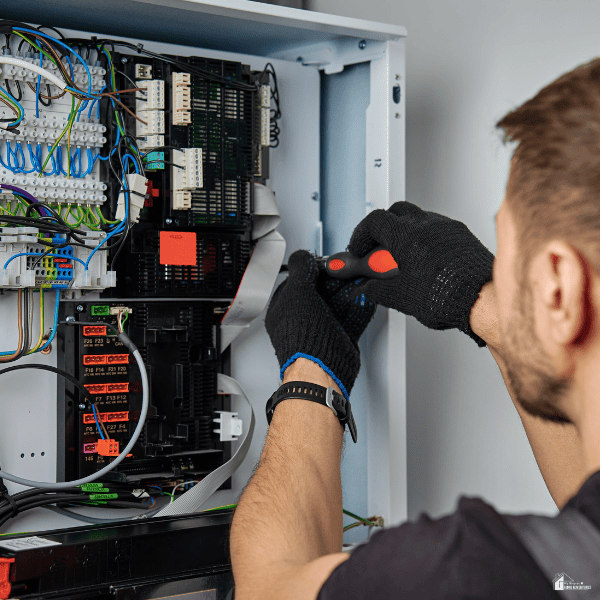
A licensed electrician can inspect your switchboard, wiring, safety devices and circuits before recommending work. They can explain whether the issue needs an urgent repair, a targeted upgrade or a larger electrical plan.
Keep an eye on changes in how your electrical system behaves. If a fault repeats, do not keep resetting the breaker without finding out why it tripped. Repeated faults need professional investigation.
After electrical work is completed, keep any paperwork supplied by the electrician with your home records. This can be helpful for future renovations, property sales and warranty information.
Get the Right Electrical Upgrade for Your Home
An electrical upgrade may be needed when your system shows signs of wear, cannot support added appliances or no longer provides the protection your household needs. Acting early can help address issues before they affect your daily routine or create a more serious safety concern.
If you have recurring electrical problems, an ageing switchboard or plans to add new appliances, contact Monaco Electrical for professional advice. A licensed electrician can inspect your home and recommend the right next step.
FAQs
When should I call an emergency electrician in Sydney?
Call an emergency electrician in Sydney if you notice smoke, sparks, burning smells, an electric shock, exposed wiring, a hot switchboard or a serious power fault. These issues may indicate a dangerous electrical problem that needs urgent professional attention. Stop using affected appliances when it is safe to do so, keep people away from the area and do not attempt electrical repairs or remove switchboard covers yourself.
Can an emergency electrician in Sydney fix a tripping switchboard?
An emergency electrician in Sydney can inspect a switchboard that is tripping repeatedly and identify the cause. The issue may involve an overloaded circuit, a faulty appliance, damaged wiring or a problem with a safety device. Avoid repeatedly resetting a breaker without finding the cause. A licensed electrician can test the system, make urgent repairs where appropriate and advise if a switchboard upgrade is needed.
Does an emergency electrician in Sydney work on power points?
An emergency electrician in Sydney can help with urgent power point problems, including sparking, overheating, damage, burning smells or electric shocks. A power point that feels loose, cracked or unusually warm should not be ignored. Stop using the outlet and avoid plugging in other devices. A licensed electrician can inspect the wiring and fitting, then repair or replace the affected components safely.
Can an emergency electrician in Sydney help after a storm?
An emergency electrician in Sydney can inspect electrical damage following a storm, water ingress or fallen branches affecting your property. Do not touch damaged electrical equipment, exposed cables or wet switchboards. Keep clear of the affected area and contact emergency services if there is an immediate danger. Once the site is safe, a licensed electrician can inspect the electrical system and carry out necessary repairs.
What information should I give an emergency electrician in Sydney?
When calling an emergency electrician in Sydney, explain what you can see, smell or hear, such as sparks, smoke, a burning odour, a tripped switchboard or a loss of power. State whether anyone has received an electric shock and whether the problem involves water, storm damage or exposed wiring. This helps the electrician understand the urgency and arrive prepared for the likely issue.