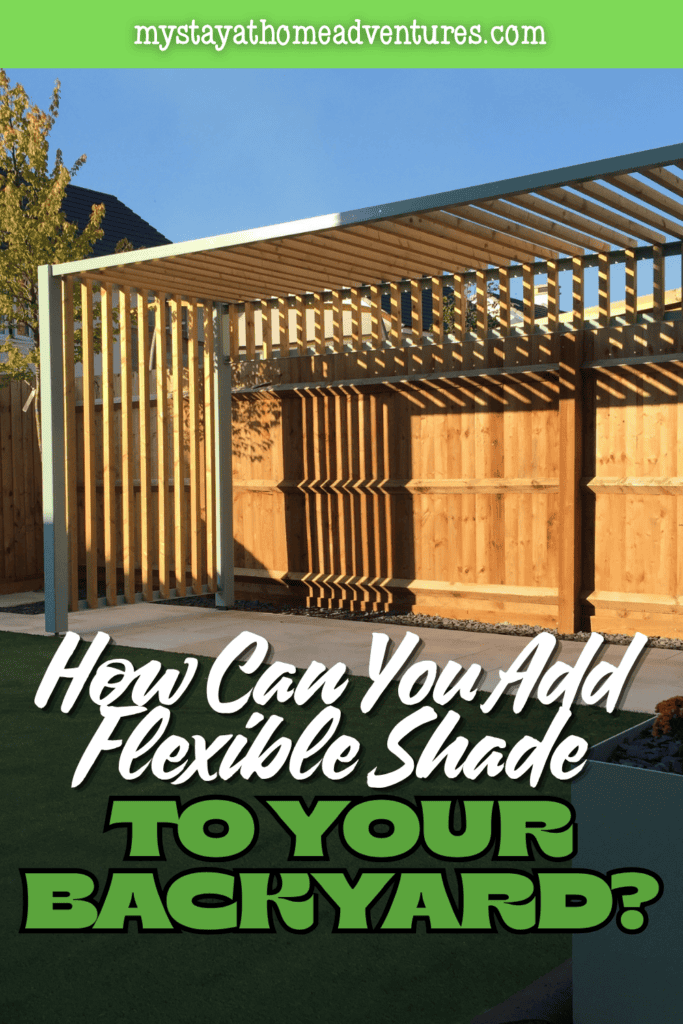
How Can You Add Flexible Shade to Your Backyard?
This post may contain affiliate links which might earn us money. Please read my Disclosure and Privacy policies here
A backyard can be too hot to enjoy in summer, too exposed during light rain and too dark once a fixed roof blocks the sun. Flexible shade gives you more control over how your outdoor space feels throughout the day.
A well-planned pergola can create a more comfortable area for dining, relaxing and entertaining without closing your backyard off from natural light. This guide explains how to choose a shade solution that suits your home, outdoor layout and everyday use.
Start With How You Use Your Outdoor Area
The best shade solution depends on how you want to use the space. A covered dining area needs different protection from a poolside lounge zone, outdoor kitchen or quiet corner for reading.
Think about when your backyard receives the strongest sun and where people naturally gather. Morning sun, afternoon heat, wind direction and nearby buildings can all affect where shade will provide the most benefit.
A flexible roof can help you adjust the space as conditions change. You may want more sun during cooler weather, then greater protection on hot afternoons. This makes it easier to use the same outdoor area across different seasons.
Before choosing a structure, map out:
- The position of outdoor furniture and dining areas
- Doors, windows and walkways near the proposed pergola
- Areas exposed to strong afternoon sun
- Existing trees, garden beds and retaining walls
- Pool fencing, outdoor kitchens or barbecue areas
- Access for installation and future maintenance
A clear plan helps ensure the new structure improves how the space works rather than creating blocked paths, poor drainage or awkward access.
Add Adjustable Cover With a Louvered Pergola
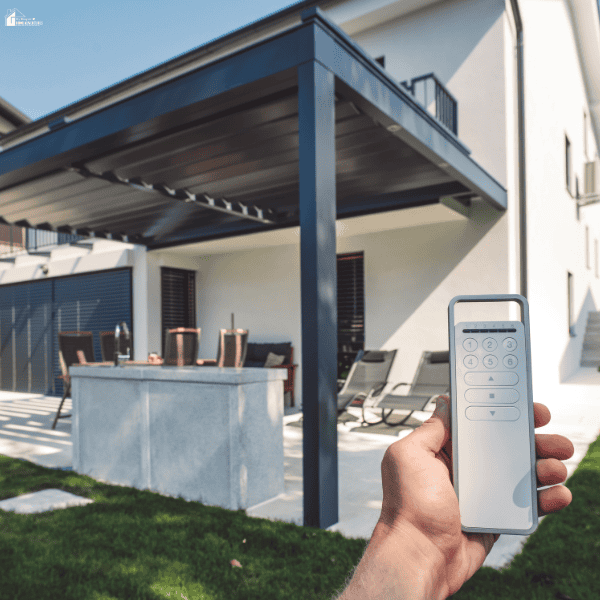
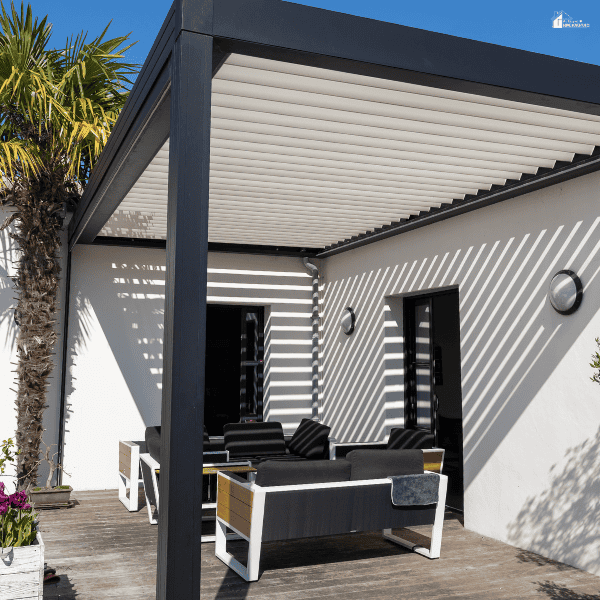
A louvered pergola uses adjustable roof blades to give you more control over sunlight, shade and airflow. You can open the blades to let in daylight and fresh air, then close them when you need greater protection from direct sun or light rain.
The flexibility of a louvered pergola can suit outdoor dining areas, patios, decks and spaces that connect the house to the garden. It allows you to change the feel of the area without relying on umbrellas, temporary shade sails or fixed roofing.
The best placement depends on the direction of the sun and how the space is used. A pergola placed beside a living room may help create a more comfortable indoor-outdoor connection, while one near a pool may provide a sheltered place to sit and supervise.
Ask about how the roof operates, how water is directed away when the blades are closed and how the structure will connect to your home or existing outdoor area. These details affect both comfort and long-term performance.
Choose a Style That Suits Your Home
A pergola should feel like part of the property, not an unrelated addition. Look at the existing colours, roofline, window frames, paving, decking and garden design before selecting the structure’s finish and form.
Modern homes may suit clean lines and a minimal frame, while more traditional properties may need a design that works with existing features. The right style can make the outdoor area feel more connected to the house and improve the overall presentation of the backyard.
Pergola kits can be an option for homeowners who want to compare different styles and configurations. Focus on the quality of the materials, the site requirements and the level of support available for the installation.
Do not select a pergola based only on photos. Your backyard may have slopes, narrow side access, unusual rooflines or existing structures that affect what can be installed. A site-specific discussion will give you a more realistic idea of what will work.
Plan for Sun, Rain and Airflow
Shade is not the only issue in an outdoor space. A pergola should also help you manage rain, wind and airflow without making the area feel closed in.
A fixed roof can give consistent cover, but it may block natural light all year. Adjustable roof blades allow you to open the roof when you want sunlight and ventilation, then close it when conditions change. This is useful in outdoor living areas that are used at different times of day.
Think about how weather reaches your yard. A backyard exposed to western sun may need more shade in the afternoon, while an open property may need added protection from wind-driven rain. The location and orientation of the pergola will affect how well it performs.
Drainage also matters. Rainwater should be directed away from the house, doors and seating areas. Discuss drainage planning before installation, particularly if the pergola will sit near paving, decks, pools or garden beds.
Make the Area Comfortable for Entertaining
A flexible shade structure can turn an underused patio into a practical place for meals, family gatherings and weekend entertaining. It creates a defined outdoor zone while still allowing the rest of the garden to remain open.
Leave enough room around tables, chairs and barbecue areas so people can move safely. Avoid placing the pergola too close to doors that open outwards or paths that connect the house to the garden.
You may also want to plan for:
- Outdoor lighting for evening use
- Power points for appliances or charging
- Ceiling fans where suitable
- Heating for cooler months
- Screens for extra privacy or wind protection
- Furniture that suits the covered space
Plan these additions early. It is usually easier to include lighting, electrical work or heating during the main installation rather than adding them after the structure is complete.
Check Space, Access and Structural Requirements
A pergola needs enough room to fit safely within the backyard and work around existing features. Measure the proposed area, but also look at access paths, boundary fences, garden beds and overhead obstacles.
The installer may need to check the ground condition, support points and nearby structures before recommending a design. Uneven surfaces, drainage issues and existing footings can affect the installation method.
If the pergola will attach to the home, the connection needs to suit the existing building. If it is freestanding, the support system needs to be planned for the ground and the overall size of the structure.
Ask questions about site preparation, installation access and any work that may be needed before construction begins. This helps avoid delays and gives you a clearer understanding of the finished result.
Keep Maintenance Simple
A well-designed pergola should be easy to look after. Regular cleaning helps keep roof blades, frames and drainage points free from leaves, dust and debris.
Maintenance needs will vary depending on the surrounding environment. Homes near trees may need more frequent clearing, while coastal or exposed locations may need extra cleaning to remove built-up dirt and residue.
A simple care routine may include:
- Clearing leaves from gutters and drainage channels
- Washing frames and roof blades as recommended
- Checking for debris near moving parts
- Keeping nearby trees trimmed back
- Looking for visible damage after severe weather
- Arranging service if the roof does not operate smoothly
Do not force adjustable blades or other moving parts if they stop working correctly. Contact a professional to inspect the system and identify the issue.
Create a Backyard You Can Use More Often
Flexible shade can make a major difference to how often you use your backyard. The right pergola can provide sun control, improved comfort and a more inviting area for everyday outdoor living.
If you are planning an adjustable shade solution for your home, speak with Unique Pergolas about a design that suits your space. Get a free quote and start creating an outdoor area that works across every season.
FAQs
What is a louvered pergola?
A louvered pergola is an outdoor structure with adjustable roof blades. The blades can be opened to allow sunlight and airflow into the space or closed to provide greater shade and shelter.
This gives homeowners more control than a fixed roof pergola. A louvered pergola can suit patios, decks, outdoor dining areas and other spaces where changing weather conditions affect how the area is used.
Can a louvered pergola provide shade from strong sun?
A louvered pergola can provide adjustable shade from direct sunlight by changing the position of its roof blades. This can be useful in backyards exposed to afternoon heat or outdoor areas used for dining and relaxing. The amount of shade will depend on the pergola’s position, orientation and blade setting. A site-specific design can help place the structure where it gives the most practical cover.
Can a louvered pergola protect an outdoor area from rain?
A louvered pergola can provide cover from light rain when its roof blades are closed and the structure is designed with suitable drainage. The performance depends on the product, installation quality, wind conditions and drainage layout.
Water should be directed away from doors, walls and seating areas. Ask the installer how the system manages rainwater and what protection it provides during changing weather.
Does a louvered pergola need regular maintenance?
A louvered pergola needs basic maintenance to keep its roof blades, frames and drainage areas clean. Remove leaves, dust and debris regularly, particularly if the structure is near trees.
Follow the manufacturer’s cleaning guidance and check the roof operation from time to time. If the blades become difficult to move or drainage is blocked, arrange a professional inspection rather than forcing the mechanism.
Where should a louvered pergola be installed?
A louvered pergola should be installed where it provides useful shade without blocking access, light or views. Popular locations include patios, decks, poolside seating areas and outdoor dining spaces.
The best position depends on sun direction, wind exposure, drainage, the home’s layout and how the area will be used. A site inspection can help identify a location that suits your backyard and lifestyle.