Meal Planning Hacks Using Bulk Groceries from Warehouse Stores
This post may contain affiliate links which might earn us money. Please read my Disclosure and Privacy policies here
Buying in bulk can be an efficient and cost-effective way to approach grocery shopping. Yet many people make the mistake of buying in large quantities without knowing when and how to use everything they purchased.
This common pitfall can actually cancel out the benefits of bulk-buying, leading to waste instead of savings.
What usually causes this problem is leaving meal planning out of the equation. It’s easy to pick up items in bulk, thinking that you’re saving money because of the lower cost per unit, but this can only be true if you actually end up using everything you bought.
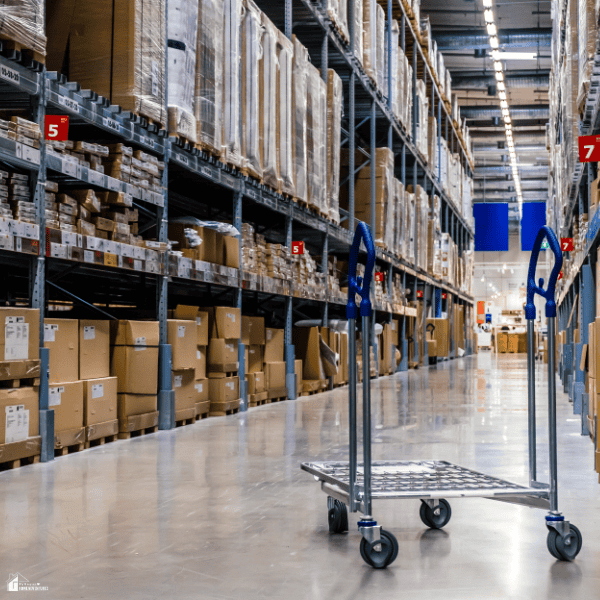
Meal planning provides structure and purpose, helping you match large quantities with a clear plan for how the food will be cooked and stored.
As good as that sounds, meal planning is something that requires experience to pull off effectively. In this article, you’ll find practical ways to connect your purchases to thoughtful meal plans so you can avoid waste and get real value out of your bulk buys.
Understanding the Value of Bulk Groceries
Bulk shopping can be a helpful strategy for efficient household management. Warehouse-size packages often cost less per unit and reduce the need to restock frequently. This works especially well for items that are used often and store well.
For example, dry staples, frozen goods, and produce that lasts long can be purchased in large amounts and planned into meals for weeks or even months ahead.
This approach, especially when paired with membership shopping deals like the Landers credit card promo for the Landers Cashback Everywhere Credit Card by Maya, can lead to significant savings.
Some people assume that buying in bulk always means getting better prices. However, it is not cost-effective if the food mostly goes untouched. Bulk-buying really only gives the most value when it closely aligns with actual cooking habits, so that none of the stockpiled ingredients are lost to spoilage.
Planning Meals Before Shopping
When you know what you intend to cook in the coming days, you can easily select bulk items that fit those meals. Preparing a meal plan before grocery shopping ensures you’re only buying what you need and helps avoid purchases that do not match household preferences.
Likewise, planning meals first helps you get a rough estimate of how much of each ingredient is actually needed. For example, if a family regularly cooks simple dishes that rely on similar pantry staples like rice and beans, a large container of these items will be used without difficulty.
Planning this out in advance prevents the common situation where people buy oversized packages of food they rarely use for cooking.
Portioning Food for Better Use
Bulk food becomes more manageable when divided into portions. This simple step helps prevent waste and creates a smoother cooking routine. Instead of storing a large package in the pantry or freezer as a single unit, you can divide it into smaller amounts that match your usual cooking needs.
This works well for both perishable and nonperishable items.
Portioning also makes it easier to see what is available at a glance. When you store ingredients in defined portions, it helps keep things organized and encourages regular use. By contrast, keeping bulk foods in their original containers makes it difficult to track progress and even harder to avoid overbuying.
Using Freezer Storage Wisely
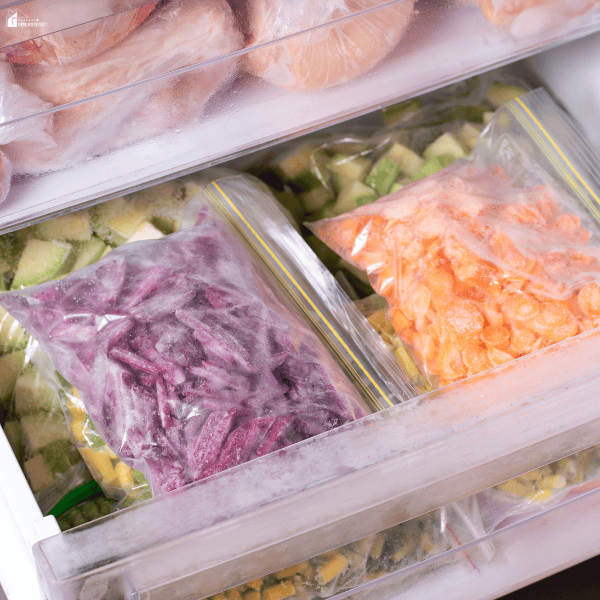
The freezer is one of the most valuable tools for anyone who wants to buy in bulk effectively. Freezing helps preserve freshness and gives the household more time to use up large quantities of ingredients. Moreover, many foods hold their quality well when frozen.
Meal planning can include cooked meals, raw ingredients, and semi-prepared components that you can use later.
Clear labeling helps maximize freezer storage. Label each container with the name of the dish or ingredient and the date you prepared or stored it. This system keeps meals and ingredients organized and makes it easier to incorporate frozen foods into your meal plan.
You can also move older items to the front of the freezer to ensure that you use them before they expire.
Preparing Batch Meals for Busy Days
Batch cooking is one of the most practical ways to make use of bulk groceries. Preparing large amounts of food in advance reduces stress on busy days and helps you make steady use of available ingredients. A batch of meal staples prepared in one cooking session can support several meals across the week.
This helps keep things manageable, saves time, and avoids food waste. As another major benefit, a good stock of ready-to-eat or easy-to-assemble meals lends you more time to handle other responsibilities.
Rotating Pantry and Freezer Inventory
Keeping track of the pantry and freezer is an important habit to maintain for anyone who shops in bulk. Even well-planned purchases can go to waste when items are forgotten.
Review what you already have on hand and keep a running list of these items to guide future meal plans. This method prevents buying duplicates and encourages consistent use of older items.
Additionally, rotating your items regularly is a simple but effective way to organize groceries for meal planning. When new groceries come in, older ones should move forward. This system allows you to quickly check your inventory before planning meals to confirm what should be used soon.
Strategy Over Stockpiling
Bulk-buying from warehouse stores alone won’t automatically help you save money on groceries. To be an effective strategy, it needs meal planning to provide structure to each grocery trip and a purpose to every purchase.
With this combined approach, you can create an efficient system that ensures your family enjoys satisfying meals throughout the week while helping you get value from your bulk purchases.