How to Spot a Plumbing Problem Before It Costs You More
This post may contain affiliate links which might earn us money. Please read my Disclosure and Privacy policies here
Most people have done this. You notice the drip under the sink, make a mental note, and then completely forget about it for three weeks. Life gets busy. The drip seems too small to warrant a call to anyone.
And then one morning, you open the cabinet, and the base is soft, warped, and smells like something's been growing in there for a while.
Water damage doesn't pause while you get around to it. And the gap between a cheap fix and an expensive one is usually just a few weeks of ignoring something that seemed minor. That's really the core of it.
Finding good plumbing services before you're mid-crisis means you're not making frantic calls on a Sunday night trying to find anyone who picks up.
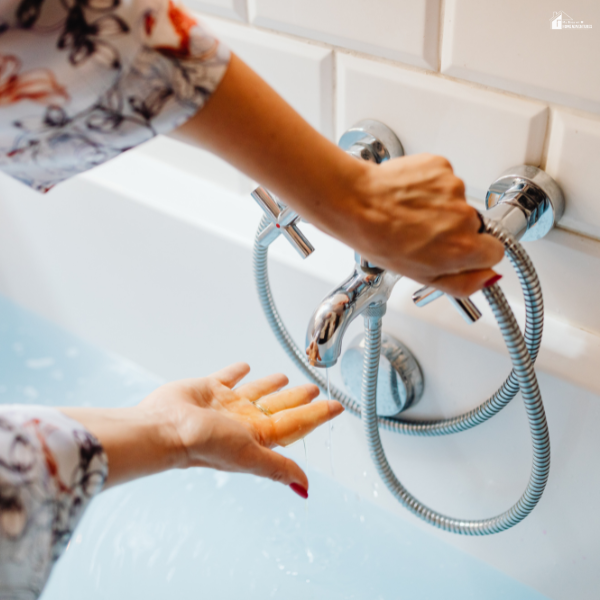
Your Fixtures Are Usually the First to Show It
Fixtures take the most daily wear of anything in a plumbing system. They're also the easiest to watch if you build the habit of actually looking.
That Drip Is Costing You More Than You Think
A faucet dripping once per second seems trivial. The U.S. Environmental Protection Agency puts that at over 3,000 gallons of wasted water per year from a single dripping faucet. Per year. From one drip. That's not a small number, and it shows up on your bill whether you're paying attention to the faucet or not.
Slow drains are similar. They feel like a minor inconvenience rather than an actual problem, so people leave them. But hair, grease, and soap residue don't dissolve on their own. They keep building until one day the drain just stops moving. A plunger won't touch a clog that's been compacting for months.
The Running Toilet Nobody Gets Around to Fixing
So many households just adapt to the sound of a running toilet. It becomes background noise. But it's almost always a worn flapper valve that's lost its seal, and water is trickling through the tank nonstop.
The fix costs next to nothing if you catch it early. The cost of leaving it runs quietly on every water bill for as long as you ignore it.
Water Leaves Clues in Places You're Not Looking
Plumbing problems don't always announce themselves with a puddle on the floor. Often, the first signs show up somewhere you aren't checking regularly. A faint yellow ring on the ceiling below the upstairs bathroom.
A musty smell inside the cabinet under the kitchen sink. A spot on the bathroom floor that has just a bit too much give when you walk over it.
These aren't decorating problems. They mean moisture has been sitting somewhere, it shouldn't for long enough that the materials around it have started breaking down. Drywall softens. Wood warps. Mold gets comfortable. By the time you can see or smell these things, the damage is already past the early stage.
Checking under your sinks once a month takes no time at all and fits naturally into a frugal home maintenance routine. If a surface feels damp or the cabinet floor gives slightly underfoot, something is getting in. The source needs to be found before the damage spreads further into the structure around it.
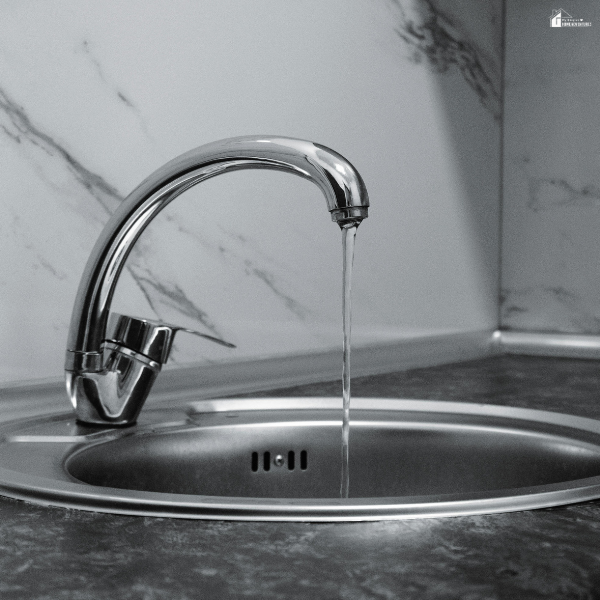
Pressure Changes That Are Easy to Write Off
A shower that gradually gets weaker. A faucet that takes longer to fill a pot than it used to. People usually just adjust to these things without questioning them. But slow pressure changes often point to a real issue developing inside the system.
Low pressure can come from a partially closed shut-off valve, mineral buildup narrowing older pipes, a hidden leak pulling water away before it reaches your fixture, or a failing pressure regulator. High pressure is the other side of the problem.
Anything above 80 psi puts ongoing stress on joints and fittings throughout the system. A basic pressure gauge from any hardware store gives you a reading in minutes and tells you whether the regulator needs attention before a fitting or joint gives out.
When Your Pipes Start Making Noise
A plumbing system working properly is pretty quiet. So when it starts making noticeable sounds, that's the system telling you something is off.
Banging or hammering sounds after shutting off a faucet sharply is water hammer. Water moving quickly through a pipe stops suddenly, sending a pressure spike through the system that gradually works joints and fittings loose.
Gurgling from a drain usually means a blocked vent or a clog forming further down the line. And if you catch a faint hiss behind a wall, that often points to a pressurized pipe with a small crack or a connection working itself loose.
The American Society of Home Inspectors consistently lists plumbing among the top flagged areas during property inspections. These issues don't stay small forever.
A Simple Monthly Walkthrough Worth Doing
Plumbing problems almost always leave early signs. A quick monthly check covers the spots most likely to develop issues before damage has room to grow. Here's what to include:
- Check under every sink for dampness, staining, or soft cabinet flooring
- Compare your water bill month to month and flag anything that doesn't add up
- Test water pressure every few months with a basic gauge
- Listen for pipe noises at night when the house gets quiet
- Look at any exposed pipes in utility areas for rust, corrosion, or damp patches
Acting on something early is almost always cheaper than seeing what happens if you wait.