
Simple Ways Families Can Stretch Their Monthly Budget Without Overcomplicating It
This post may contain affiliate links which might earn us money. Please read my Disclosure and Privacy policies here
The advice most families get about budgeting tends to fall into two camps. Either it is aimed at people in genuine financial crisis, full of instructions about cutting every non-essential and tracking every dollar to the cent, or it is so vague that it amounts to spend less, save more, repeated in different fonts.
Neither is especially useful for a family that is managing reasonably well but knows there is probably money leaking out every month that could be put to better use.
Before your next online purchase, running a quick search on Wizza for a verified promo code takes about thirty seconds and can knock a meaningful percentage off what you were about to pay anyway.
That kind of small, low-effort habit is what this article is actually about: finding the savings that are already available without turning budgeting into a second job.

Start With What You Are Already Spending
The most effective place to start is not with a new savings target but with a clear picture of where the money is currently going. Most families significantly underestimate spending in two or three categories and overestimate it in others.
The exercise of looking at three months of bank and card statements without judgment is almost always revealing.
The categories that tend to surprise families the most are food in all its forms (groceries, takeout, coffee, snacks), subscriptions, and online shopping. These three areas share a common trait: the individual transactions feel small in the moment and invisible in aggregate.
Nobody feels like they are overspending on a Tuesday takeout order. But four of them a month across a family of four adds up to a number that would look very different if it appeared as a single monthly line item.
The goal of this audit is not to eliminate any of these categories. It is to make conscious decisions about them rather than defaulting to whatever is easiest in the moment.
Grocery Spending: The Biggest Lever Most Families Have
For the average family, groceries represent one of the largest discretionary spending areas that can actually be influenced without changing quality of life. The families that spend significantly less on food without feeling deprived are generally doing a few specific things differently.
Meal planning, even loosely, reduces food waste and prevents the default to expensive convenience options at the end of a long day. You do not need a rigid weekly plan. Even deciding on five dinners before you shop and buying specifically for those meals reduces the amount of food that gets forgotten in the back of the fridge and thrown out on Sunday.
Buying protein in bulk and freezing it is one of the highest-return grocery habits available to families. Chicken thighs, ground beef, and fish bought in family packs and frozen in portions can cut protein costs by 20 to 30 percent compared to buying as needed.
The upfront cost is higher on the shopping trip where you do it, which is why people resist it, but the monthly math is straightforwardly better.
Store brands on pantry staples are an easy swap that most families make once and never go back from. Pasta, canned tomatoes, oats, cooking oils, and spices are categories where the quality difference between store brand and name brand is minimal and the price difference is often 30 to 50 percent.
The same logic does not always apply to every product, but testing it category by category over a few shops is worth the experiment.
Subscriptions: The Budget Leak That Runs in the Background
Subscriptions are the most insidious spending category in a modern family budget because they require no active decision to continue. You signed up once, the charge recurs, and unless you are specifically looking for it, you probably do not register it as a spending decision at all.
The average household has significantly more active subscriptions than it realizes. Streaming services multiply over time as different family members add platforms for specific shows and then forget to cancel.
Software, cloud storage, fitness apps, news subscriptions, and digital services accumulate the same way. Many families are also still paying for free trials that converted to paid months or years ago.
A one-time audit of every recurring charge on your bank and card statements, with a simple keep or cancel decision for each, consistently frees up meaningful monthly money.
The threshold question for each subscription is simple: did anyone in the family actively use this in the last 30 days? If not, cancel it. You can always re-subscribe if you miss it, and most services make that easy.
For the subscriptions you keep, check whether a family or annual plan is available. Annual billing almost always comes with a meaningful discount compared to monthly, and family plans on streaming and software services cost less per user than multiple individual accounts.
Online Shopping: Where the Easiest Savings Are Being Left Behind
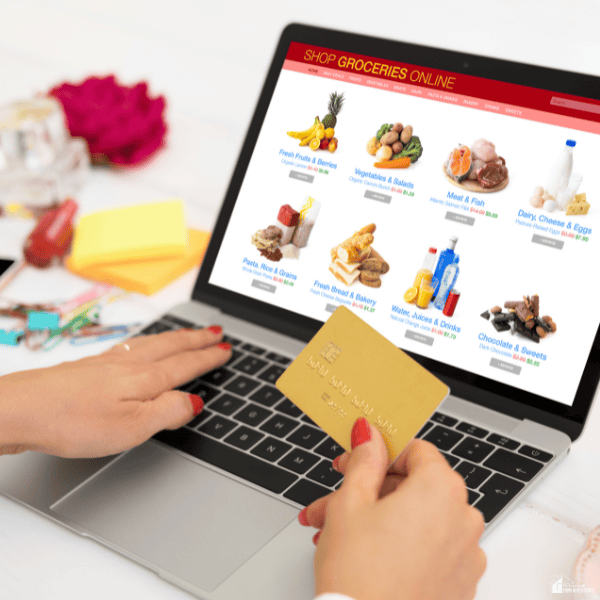
Online shopping is where families leave the most money on the table in the most avoidable way. The mechanics of finding a lower price or a valid promo code before checking out take minutes and can save a meaningful percentage on purchases you were going to make regardless.
Wizza aggregates verified promo codes and cashback offers across more than 2,000 stores, covering categories from clothing and electronics to pet supplies, groceries, travel, and home goods.
The platform hand-picks and verifies deals so the codes you find actually work at checkout, which solves the specific frustration of finding a code through a search, entering it, and seeing it declined.
With over 60,000 deals updated regularly, the coverage spans both major retailers like Nike, Sephora, and Walmart and specialty stores that families shop at regularly but may not think to look for codes on.
The habit change required is minimal. Before completing any online purchase above a certain threshold, check whether there is a current code or cashback offer available. Most families that build this into their checkout process save without any change to what they buy or where they buy it.
Comparison shopping across two or three retailers before committing to the highest-consideration purchases is also worth the few minutes it takes. Prices on the same item vary more than most people expect, and price comparison tools and browser extensions have made this faster than it used to be.
Eating Out: Keeping the Enjoyment Without the Full Cost
Cutting restaurants entirely is advice that does not work for most families and is not necessary to materially reduce food spending. What does work is being more intentional about the form that eating out takes.
Lunch and brunch at a restaurant costs significantly less than dinner for the same quality of experience at most establishments. Shifting some of your family's restaurant occasions to earlier in the day is a practical way to maintain the habit while reducing the spend per occasion.
Many restaurants offer loyalty programs that accumulate real value over time, particularly for families that have a few regular spots they return to. These are worth joining even if you do not actively manage them. The rewards accumulate passively and offset a future meal with no behavior change beyond signing up.
Using a restaurant's app to order rather than a third-party delivery platform, when you are ordering delivery, consistently reduces the total cost of the order. Third-party platform fees, service charges, and inflated menu prices add 20 to 30 percent to what the same order costs through the restaurant's direct channel.
For families that order delivery regularly, this single switch is one of the higher-impact changes available.
Utilities and Household Bills: The Set and Forget Savings
Utility and household bills feel fixed to most families because the amount arrives and gets paid without much scrutiny. In practice, several of these have meaningful savings available that require a one-time action rather than ongoing discipline.
Home energy use has significant low-effort optimization available. A programmable thermostat that reduces heating and cooling during hours when the family is asleep or out of the house reduces energy costs without anyone noticing.
Running the dishwasher and washing machine on off-peak hours, where time-of-use electricity pricing applies, costs nothing to implement once you know the schedule.
Insurance policies are worth reviewing annually rather than auto-renewing. Car and home insurance premiums increase at renewal as a matter of standard practice, and insurers rely on inertia. Getting one or two competing quotes before renewing takes an hour and consistently produces meaningful savings for families that do it.
Phone and internet plans are also worth reviewing every 12 to 18 months. The promotional pricing most families signed up on has usually expired, better plans exist at the same or lower cost, and providers are generally willing to offer retention discounts to customers who call and mention they are considering switching.
Building the Habits That Actually Stick
The families that consistently spend less over time are not the ones who set the most restrictive budgets. They are the ones who build a small number of low-friction habits that run in the background without requiring constant attention or willpower.
Checking for a promo code before online checkout, meal planning loosely before the weekly shop, reviewing subscriptions once a quarter, and shifting one restaurant occasion per month to a less expensive time slot are habits that collectively can save a family several hundred dollars a month.
None of them require significant sacrifice or a complicated system to maintain.
The framing that makes these habits sustainable is not deprivation. It is efficiency. The money saved is not money you did not spend on something you wanted. It is money you kept because you spent a few minutes doing something smarter.
That distinction matters for how families feel about the process and whether the habits persist beyond the first enthusiastic month.
A platform like Wizza exists precisely because the savings are already out there and the barrier is just knowing where to find them quickly. The same principle applies to most of the opportunities in this article. The money is not hiding.
It is just waiting for a slightly more intentional version of decisions the family is already making.