Practical Money Tips for Families Facing an Unexpected Home Expense
This post may contain affiliate links which might earn us money. Please read my Disclosure and Privacy policies here
Unexpected home expenses have a way of showing up at the worst possible time. One day the budget feels manageable, and the next day the water heater breaks, the roof starts leaking, the refrigerator stops working, or the HVAC system fails during the hottest or coldest week of the year.
For families already balancing groceries, utilities, childcare, transportation, insurance, and debt payments, even one surprise repair can create real stress.
The good news is that an unexpected home expense does not have to turn into a financial crisis. With a calm plan, families can protect their home, compare their options, and avoid rushed decisions that create bigger problems later.
Start by Deciding How Urgent the Repair Is
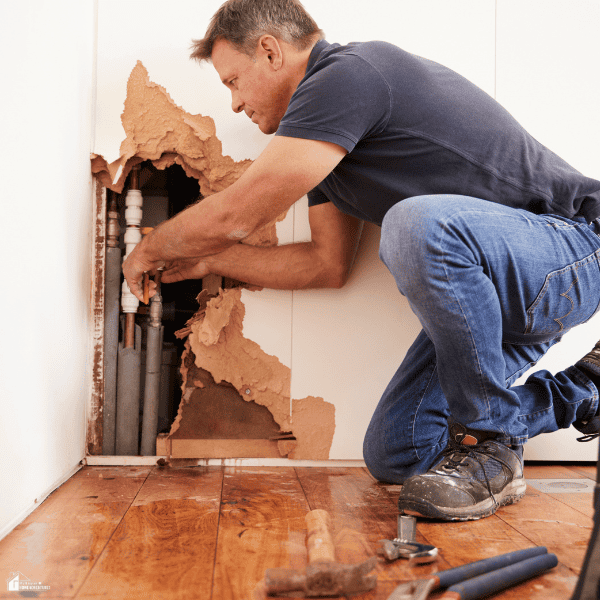
The first step is to separate urgent repairs from important but less immediate ones. Some problems need attention right away because they affect safety, health, security, or the ability to live in the home.
A major plumbing leak, an electrical hazard, a broken heat system in winter, a damaged front door, a mold issue, or a serious roof leak should usually move to the top of the list.
Other issues may be frustrating, but not emergencies. A noisy appliance, cosmetic damage, outdated fixtures, or a minor repair that can wait a few weeks may not need immediate attention. Knowing the difference helps families avoid panic spending.
Ask yourself: Is this problem dangerous? Could waiting make the damage worse? Does it affect our ability to use the home safely? If the answer is yes, it likely needs fast action. If not, you may have time to compare prices and plan more carefully.
Get More Than One Estimate When Possible
When a repair feels urgent, it can be tempting to accept the first quote just to get the problem over with. Sometimes that is necessary, especially if there is an active leak or safety risk. But when possible, try to get at least two or three estimates from reputable professionals.
Different contractors may suggest different solutions. One may recommend a full replacement, while another may make a safe repair that buys more time. Ask what is included in the estimate, whether parts and labor are covered, and whether there are lower-cost options.
It also helps to check reviews, ask neighbors for recommendations, and confirm that the person or company is licensed or insured when required. A cheaper quote is not always the best choice, but neither is the most expensive one. The goal is to understand your options before making a decision.
Look at Your Budget Before Choosing How to Pay
Before reaching for a credit card or signing up for financing, take a quick but honest look at your household budget. Review your income, upcoming bills, savings, debt payments, and essential expenses.
This gives you a realistic idea of how much you can pay upfront and how much, if anything, you may need to finance.
Look for temporary areas to cut back. Could you pause subscriptions, reduce takeout, delay a non-urgent purchase, or adjust entertainment spending for a month or two? These changes may not cover the full cost of the repair, but they can reduce the amount you need to borrow.
This step is not about creating a perfect budget. It is about slowing down long enough to understand what your family can safely afford.

Use Emergency Savings If You Have Them
Emergency funds exist for moments like this. It can feel discouraging to use savings that took months or years to build, but using cash for a necessary repair can help you avoid interest charges and additional debt.
If your emergency fund covers the full expense, that may be the simplest solution. If it only covers part of the repair, using some savings can still reduce the amount you need to finance.
Afterward, make a plan to rebuild the fund gradually. Even small automatic transfers can help. The goal is not to replace the money overnight, but to start preparing for the next unexpected expense.
Compare Financing Options Carefully
If savings are not enough, you may need to consider other payment options. These could include a contractor payment plan, a personal loan, a home equity loan or line of credit, a credit card, a community assistance program, or help from family.
Each option comes with its own costs, risks, and repayment terms.
For military families, a military loan may be an option to consider when an urgent home expense cannot wait, but it should still be carefully compared with other forms of financing.
Families should review the interest rate, fees, repayment schedule, total cost, and monthly payment before deciding whether it fits their budget.
Do not focus only on how quickly you can get the money. A fast option may also be an expensive one. The best choice is usually the one that solves the immediate problem without creating long-term financial strain.
Be Careful With Credit Cards
Credit cards can be convenient during an emergency, especially if a repair company accepts them and you need the work done quickly. But they can become costly if the balance is not paid off soon.
Before charging a major repair, check the card’s APR and think through your payoff plan. If you can pay the balance in full when the bill arrives, a credit card may be manageable. If repayment will take several months or longer, interest can add a significant amount to the total cost.
Some families may have access to a promotional 0% APR offer. This can be helpful, but only if the balance can realistically be paid off before the promotional period ends. Otherwise, the remaining balance may become expensive.
Ask About Payment Plans or Repair Alternatives
Many families do not realize they can ask providers about payment options or lower-cost alternatives. Some contractors offer payment plans, and some utility companies or service providers may have assistance programs.
You can also ask whether a repair is possible instead of a full replacement. For example, an appliance, HVAC system, or plumbing issue may have a temporary fix that gives you more time to save. In some cases, refurbished parts or phased repairs may be available.
Be honest about your budget. A good professional can explain which repairs are essential now and which can wait.
Look for Local Help and Community Resources
Depending on your situation, there may be local resources that can help reduce the cost of an urgent home repair. Nonprofits, churches, veteran support organizations, utility assistance programs, weatherization programs, and local government agencies may offer help for qualifying families.
These resources may not cover everything, and they may take time to access, but they are worth checking. Even partial assistance can reduce how much your family needs to borrow.
Make a Recovery Plan
Once the repair is handled, create a short-term recovery plan. If you used savings, decide how much you can set aside each month to rebuild your emergency fund. If you borrowed money, set a repayment goal and track your progress.
You may need to tighten the budget temporarily, but having a plan can make the situation feel more manageable. It also helps prevent the repair from affecting your finances longer than necessary.
Final Thoughts
An unexpected home expense can feel overwhelming, especially when your family budget is already stretched. But a practical plan can help you respond with more confidence.
Prioritize safety, get estimates when possible, review your budget, use savings wisely, compare financing options, and avoid high-pressure decisions.
You may not be able to control when something breaks, but you can control how carefully you respond. With the right approach, your family can protect your home without damaging your long-term financial stability.