Signs Your Water Heater Is About to Fail — And What To Do
This post may contain affiliate links which might earn us money. Please read my Disclosure and Privacy policies here
That first blast of cold water before sunrise can hint at more than a bad start; it often signals a water heater that’s nearing the end. In homes across Las Vegas, hard water and relentless heat speed up wear, fuel sediment buildup, and strain components. Catching the signs early protects comfort, safety, and monthly budgets.
Look for inconsistent temperatures, rusty tap water, popping or rumbling from the tank, damp floors nearby, and aging units that lag during routine use. Simple habits help: semiannual flushing, anode-rod checks, thermostat settings around 120–130°F, and prompt attention to small leaks.
Planning repair or replacement before failure avoids emergency calls, higher bills, and water damage.
Fluctuating or Inconsistent Hot Water
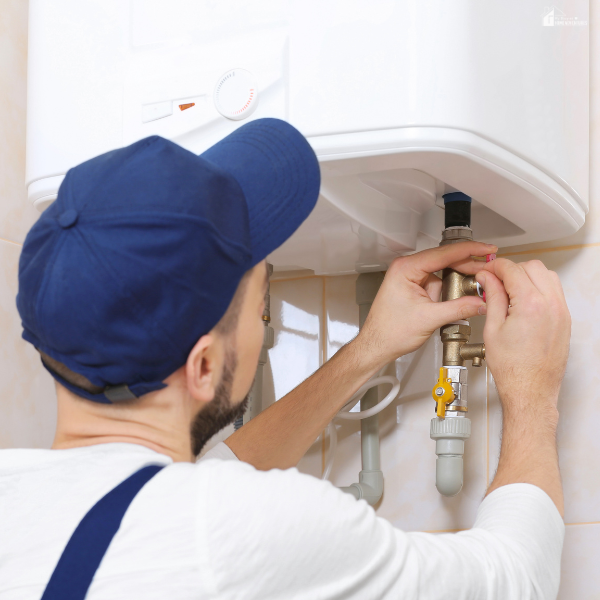
Morning showers that turn tepid mid-rinse reveal a hidden problem. Hard mineral content around Las Vegas causes minerals to settle on tank bottoms and cling to heating elements, insulating them and triggering temperature swings or shorter hot-water cycles.
A steady lukewarm stream during high-demand times usually points to sediment, not plumbing quirks.
Simple maintenance reduces failures, and many homeowners rely on plumbing companies in Las Vegas to perform quick, professional flushes that prevent buildup. Flushing the tank twice a year clears settled minerals, and keeping the thermostat between 120°F and 130°F limits sediment agitation that builds faster in summer heat.
Persistent swings after those steps suggest worn elements or an aging tank. Twice-yearly flushing paired with a thermostat around 125°F often keeps hot-water cycles steady.
Rusty or Discolored Hot Water
Rust-colored water flowing from hot taps often signals corrosion inside the tank or fittings. Run hot water from several fixtures; if only the hot side shows discoloration, the heater is likely the culprit.
Fill a clear glass and check for flakes or cloudiness—these signs reveal internal breakdown and help determine how urgently you need to act.
Corrosion often begins when an aging anode rod loses its protective charge. Replacing that rod and draining a small sample from the tank can slow rusting and extend the heater’s life. Many homeowners schedule professional service every two to five years to keep internal parts clean and performance steady.
Rumbling, Popping, or Crackling Sounds
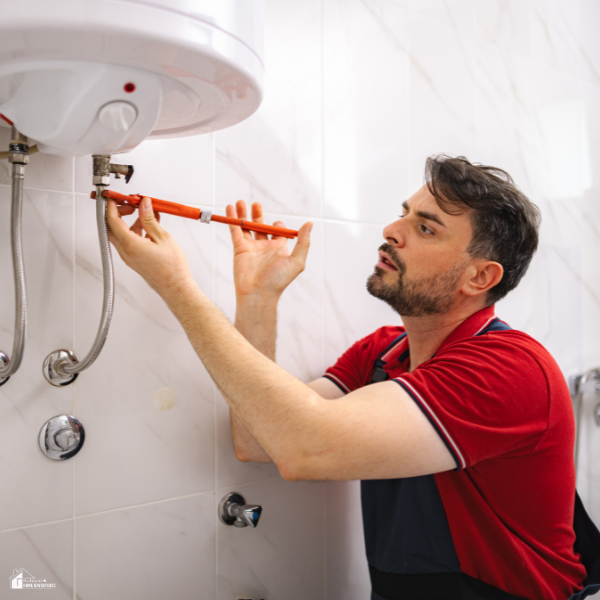
Rumbling or popping noises during heating cycles usually point to hardened mineral sediment at the bottom of the tank. In Las Vegas, high mineral content causes buildup that traps steam, creating sharp clatters and vibrations.
Those bursts stress the tank lining and reduce heating efficiency, signaling it’s time for cleaning or inspection.
A professional flush often eliminates these sounds and restores smooth operation. If noise returns within a few weeks, corrosion or failing elements may be advancing, making replacement the smarter long-term fix.
Scheduling annual maintenance with a trusted plumber keeps noise down, efficiency up, and unexpected failures at bay.
Moisture or Pooling Water Around the Heater
Moisture near the base of a water heater rarely appears without cause. After drying the area thoroughly, monitor it over several hours to spot new dampness. If water reappears following a heating cycle, an active leak may be forming inside or around the tank, and immediate inspection is the safest next step.
Check fittings, the drain valve, and the temperature-pressure relief tube for minor drips before assuming a full failure. When moisture seeps from the tank shell itself, corrosion has likely breached the inner lining.
In that case, replacement becomes the only dependable solution to prevent structural damage and costly water cleanup.
Older Units Struggling to Keep Up
When showers cool faster than before, it’s often a sign of a water heater past its prime. Units over ten years old lose insulation efficiency and heating power, especially under Las Vegas’s high summer demand.
Checking the manufacture date and noting frequent repairs or element replacements gives a clear picture of remaining lifespan.
Repeated short hot-water cycles or unexplained energy spikes suggest the system is working harder for less output. Upgrading before total failure reduces stress, energy waste, and emergency costs. Replacing an aging unit in spring or early summer keeps hot water reliable year-round and prevents last-minute breakdown surprises.
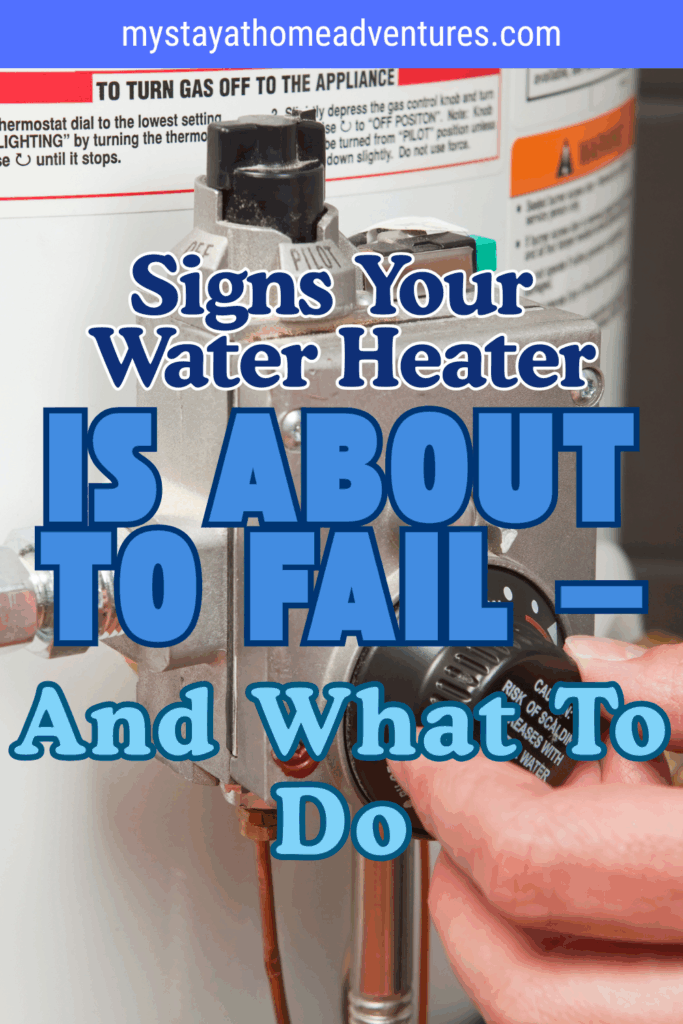
Cold showers, rust-tinted taps, rumbling tanks, damp floors, and tired performance rarely arrive alone; together they forecast a water heater on its last legs. Act on those signals. Flush sediment twice a year, replace a spent anode rod, keep thermostats near 120–130°F, and tighten suspect valves.
Track the manufacture date and repair history. When breakdowns repeat or leaks appear, schedule replacement on your terms, not during a midnight emergency, and consider local Las Vegas water conditions when choosing equipment.
Protect floors, conserve energy, safeguard comfort, and keep mornings predictable with steady, reliable hot water everyday.