
How to Know When Your Commercial Heating System Needs Service
This post may contain affiliate links which might earn us money. Please read my Disclosure and Privacy policies here
A reliable commercial heating system anchors a comfortable and productive business environment. When it starts showing signs of trouble, daily operations feel the impact almost immediately.
Temperature shifts, odd sounds, sudden energy spikes, weak airflow, and unpredictable cycling often signal that the equipment needs professional attention.
These issues disrupt routines, affect staff morale, and place strain on the system. Businesses in Swainsboro, Georgia, understand how cooler weather can interfere with workflow, so staying alert to early warning signs helps protect comfort and efficiency.
A quick response prevents small concerns from turning into lengthy repairs and keeps the workplace functioning smoothly.

Temperature Fluctuations That Disrupt Daily Work
Employees notice temperature inconsistencies quickly, and frequent complaints usually point to deeper mechanical issues. Cold spots can form when the system struggles to distribute warm air evenly, and this often reveals developing problems with key components.
A unit that once kept the entire building comfortable may suddenly fail to maintain stable conditions.
Temperature swings often arise due to blocked ducts, malfunctioning thermostats, or weakened internal parts that no longer work together as they should. Clear temperature control supports productivity, so any shift away from predictable heating deserves prompt attention.
An early inspection helps identify the cause before the issue grows more complicated.
Strange Sounds That Signal Mechanical Problems
Commercial heating systems typically operate with a steady, familiar hum. When unusual noises appear, they often signal developing mechanical problems within the equipment.
Banging may indicate loose components, rattling can suggest debris in moving parts, and grinding often points to worn bearings or motors. Left unaddressed, these issues continue to worsen, increasing the risk of costly system failure.
Professional service helps identify and correct these problems before serious damage occurs. If you’re looking for a company that takes care of commercial heating in Swainsboro, GA, choose professionals who address mechanical problems early to keep your system reliable.
This proactive approach helps extend equipment lifespan, reduce downtime, and protect day-to-day business operations.
Higher Energy Costs That Surprise You
A sudden rise in utility bills often comes as a surprise, especially when heating habits remain the same. Higher costs usually mean that the system is working harder than before, and this happens when internal parts no longer function efficiently.
A struggling blower, dirty components, or clogged filters can force the system to consume more energy to maintain normal output.
Energy costs provide a clear picture of performance because they increase when the system faces resistance or strain. A technician can identify which components are slowing the equipment down and recommend steps that improve efficiency.
Prompt service often restores normal energy usage and helps prevent further wear.
Airflow Reduction That Affects System Output
Weak airflow makes any building feel colder, even when the heating equipment is running constantly. Reduced airflow commonly occurs when filters become packed with dust, ducts accumulate blockages, or blowers lose strength.
These issues reduce comfort and place extra pressure on the system, which may shorten its lifespan.
A professional inspection pinpoints the cause and prevents a light airflow issue from growing into a much larger problem. Clean ducts, clear filters, and a strong blower work together to deliver warm, steady air throughout the building. Restoring airflow also helps the system operate more efficiently.
Short Cycling That Interrupts Equipment Rhythm
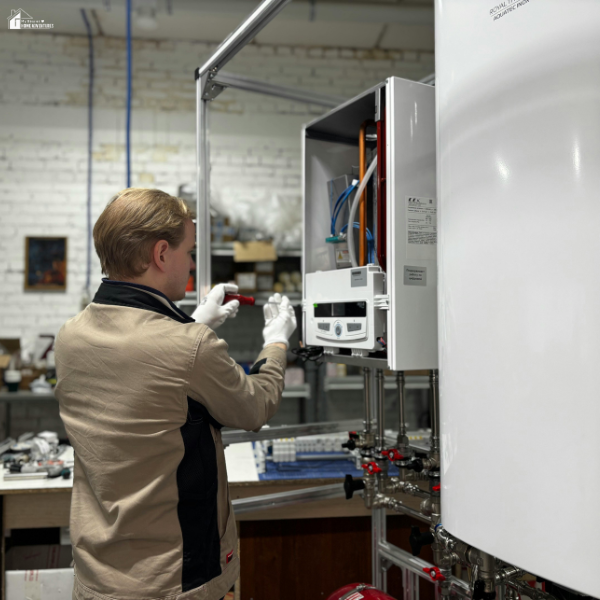
A commercial heating system should run long enough to deliver consistent warmth. Short cycling happens when the equipment turns on and off too frequently. This pattern creates strain, increases wear, and prevents the building from reaching a stable temperature.
Short cycling often results from thermostat problems, airflow restrictions, or overheating inside the system.
An evaluation helps determine what is causing the rapid cycling pattern. Addressing the issue early protects the heating unit from long-term damage and allows the building to return to normal comfort levels. Regular monitoring ensures that short cycling does not return once the system is repaired.
Unusual Odors That Raise Safety Concerns
A commercial heating system should never release odors that distract employees or cause concern. A sharp or burning scent may appear when components overheat or wiring begins to fail.
A musty smell often points to moisture collecting where it shouldn’t, which may encourage microbial growth inside ducts or near coils. These odors serve as early warnings that something inside the system requires attention.
A quick inspection protects both equipment and building occupants. Technicians can locate the source of the smell, check electrical connections, clean internal surfaces, and verify that the system is operating safely.
Outdated Equipment That Can’t Keep Up
Heating systems lose efficiency over time, and older units often struggle during periods of heavy use. Slow starts, uneven warmth, and frequent performance hiccups usually appear when age becomes a factor. These signs show that the system is nearing the point where repairs and tune-ups become more frequent.
Routine inspections help extend the useful life of older equipment, and they also give business owners a clearer picture of future replacement needs.
When a system approaches the end of its lifespan, technicians can recommend improvements that enhance performance while helping plan for a smoother transition to newer technology. A thoughtful approach prevents unexpected failures and supports consistent comfort.
Lack of Preventive Maintenance That Leads to Bigger Failures
Regular service makes a significant difference in how well a commercial heating system performs. Skipped maintenance allows dust, worn parts, and minor imbalances to accumulate quietly over time. These small issues eventually combine and lead to breakdowns that disrupt daily operations.
A maintenance plan keeps the system clean, efficient, and dependable throughout the cooling season. Technicians check components, verify airflow, evaluate electrical connections, and confirm that the system responds accurately to thermostat settings.
Consistent care reduces repair costs and helps equipment run smoothly without sudden interruptions.
Recognizing the early signs of trouble protects the comfort and safety of everyone in the building. Temperature shifts, unusual sounds, energy spikes, weak airflow, rapid cycling, odd odors, aging equipment, and irregular maintenance each signal that the system needs attention.
Acting quickly keeps small concerns from placing extra strain on vital components.
A well-maintained commercial heating system supports productivity and ensures that the entire workspace remains comfortable during the colder months. When service becomes necessary, professional attention restores efficiency and keeps the equipment ready for the seasons ahead.