Preserving Your Most Cherished Moments with a Memory Photo Book
This post may contain affiliate links which might earn us money. Please read my Disclosure and Privacy policies here
In a world dominated by digital photography, many of our most treasured memories remain tucked away on phones, cameras, or cloud storage. While capturing moments has never been easier, revisiting them meaningfully requires intention.
A memory photo book provides a tangible, thoughtfully curated way to celebrate life’s milestones, everyday joys, and special experiences. Unlike scrolling through endless digital galleries, a printed album allows you to relive moments, share stories, and preserve memories for years to come.
From family events and vacations to personal achievements and quiet everyday moments, a carefully designed book becomes more than a collection of photos—it tells a story.
The Value of a Memory Photo Book
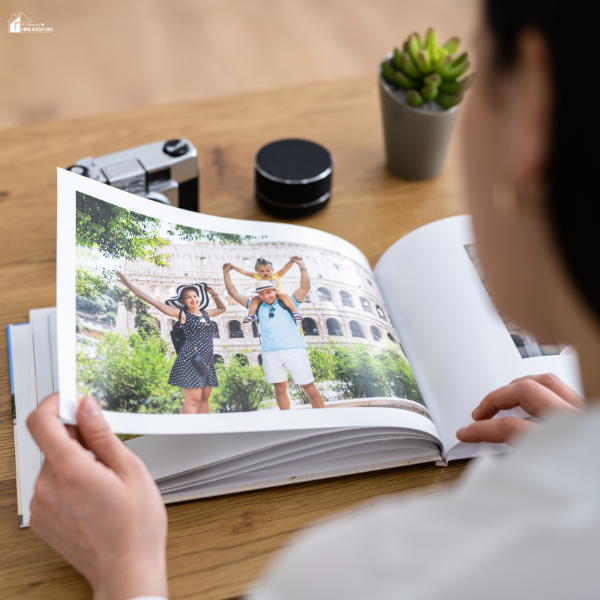
A memory photo book offers more than simple photo storage. It transforms images into a cohesive narrative, connecting people, places, and moments in a meaningful way.
Physical books engage multiple senses: the texture of the pages, the weight of the album, and the ability to flip through pages at your own pace create a personal and immersive experience. Such albums become treasured keepsakes that can be shared with loved ones and passed down for generations.
Beyond preserving images, they capture the emotion, atmosphere, and significance of moments that might otherwise be forgotten.
Planning Your Memory Photo Book
Before beginning your project, consider the purpose and scope of your album. Are you commemorating a single event, like a wedding, birthday, or family reunion? Are you documenting a journey, a year in your life, or a series of travel experiences?
Defining the purpose helps guide photo selection, layout choices, and overall design. Deciding on a theme, tone, and style at the outset ensures a cohesive and polished final product.
Additionally, planning helps determine the size of the book, number of pages, and types of images to include, which can impact both design and printing decisions.
Selecting Photos for Your Book
The selection of images is one of the most crucial steps in creating a memory photo book. Begin by gathering all potential photos from digital devices, cameras, or printed materials. Focus on images that convey emotion, tell a story, or capture significant details.
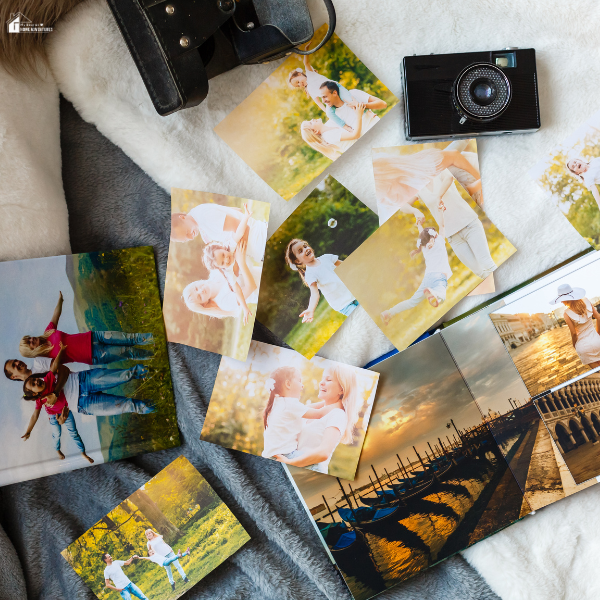
Include a mix of wide shots, close-ups, candid moments, and detailed images to create visual interest and variety. Avoid including nearly identical photos unless they offer a new perspective or highlight a unique detail.
Thoughtful curation ensures that each page contributes meaningfully to the narrative and keeps viewers engaged.
Organizing Your Story
How you arrange your photos will shape the experience of your album. Chronological layouts work well for documenting events, trips, or a sequence of milestones, providing a natural progression through time.
Thematic arrangements group images by subject, mood, or location, allowing for a more creative or artistic storytelling approach. Mixing full-page spreads with smaller collages adds rhythm and visual interest.
Maintaining consistent spacing, margins, and alignment ensures a polished look. A well-organized book creates a seamless flow, allowing viewers to enjoy the story from start to finish.
Adding Captions and Personal Touches
While photos tell the story visually, captions and personal notes provide context and emotional depth. Include brief captions to identify people, places, or events, or share anecdotes, reflections, and meaningful quotes.
Keep text concise and intentional, so it complements rather than overwhelms the images. Personal touches such as handwritten notes or small stories make the book more engaging and memorable. They also help future viewers understand the significance of moments and feel connected to your experiences.
Choosing Materials and Finish
High-quality materials enhance the look and feel of your memory photo book. Paper choice affects color vibrancy, image clarity, and durability. Matte finishes offer a classic, understated look, while glossy pages make colors pop, and images stand out.
Consider binding options, page thickness, and cover materials, as these factors influence both the tactile experience and the longevity of the book. Thoughtful choices ensure that your album not only looks beautiful but also stands the test of time as a lasting keepsake.
Designing Layouts for Impact
Effective design is key to creating a visually appealing and cohesive book. Use white space strategically to allow images to breathe and prevent pages from feeling cluttered. Varying photo sizes and orientations keep the visual flow dynamic, while full-page spreads can highlight significant moments.
Collages work well for sequences, detailed shots, or groupings of related images. Consistent design elements, color palettes, and typography unify the book and give it a professional finish. A well-designed layout ensures that your memories are presented in the most compelling and engaging way.
Balancing Highlights and Everyday Moments
A compelling memory photo book captures both major events and the small, intimate moments that make life meaningful. Include milestones such as weddings, graduations, vacations, and celebrations, alongside everyday interactions, quiet smiles, and candid moments.
These details add authenticity, depth, and relatability to the story. Alternating between large, impactful images and smaller, reflective ones establishes a rhythm, keeping the viewer engaged while conveying the richness of your experiences.

Personalization Options
Adding personalized elements makes your memory photo book unique. Consider including scanned letters, tickets, notes, or meaningful objects alongside your images. Customizing layouts, colors, and decorative accents allows the album to reflect your personality and the significance of your memories.
Personalization transforms a simple collection of photos into a meaningful narrative artifact, making the book more engaging and emotionally resonant for both you and those who experience it.
Proofing and Reviewing Your Work
Before finalizing your book, carefully review every detail. Check image resolution, alignment, and color consistency. Proofread all text for accuracy and clarity. Examine the pacing of the layout to ensure that the story flows smoothly and that each section complements the next.
Taking a break before reviewing the book again with fresh eyes or seeking feedback from a trusted friend can help identify improvements. A thorough review ensures a polished, professional-quality finished product that will be cherished for years.
Preserving Memories for the Future
A well-crafted memory photo book serves as a lasting artifact of your life and experiences. Properly stored, these books can withstand years of handling and become treasured heirlooms for family and friends.
They provide a tangible way to revisit moments, celebrate milestones, and reflect on shared experiences. Additional copies can be created to share with loved ones, ensuring that your story is preserved and enjoyed across generations.