Where Should You Incorporate Tile Backer Board in Your House?
This post may contain affiliate links which might earn us money. Please read my Disclosure and Privacy policies here
Many people are not aware of the kinds of tile that they can use in bathroom spaces, such as tub surrounds or shower areas. There are actually a lot of good options that you can choose from when you are creating bathroom spaces that will be both durable and beautiful.
Tile backer boards are a critical part of any bathroom design that you are planning.
Waterproof tile backer board helps protect your shower and bathing areas from water damage and keeps moisture from getting under the tile and into the wall spaces that are shared with other parts of the home.
There are various tile backer board choices that you can access for your bathroom areas, so you will want to keep reading to find out more about this important material.
Where Do You Need to Incorporate Tile Backer Board in Your Home?
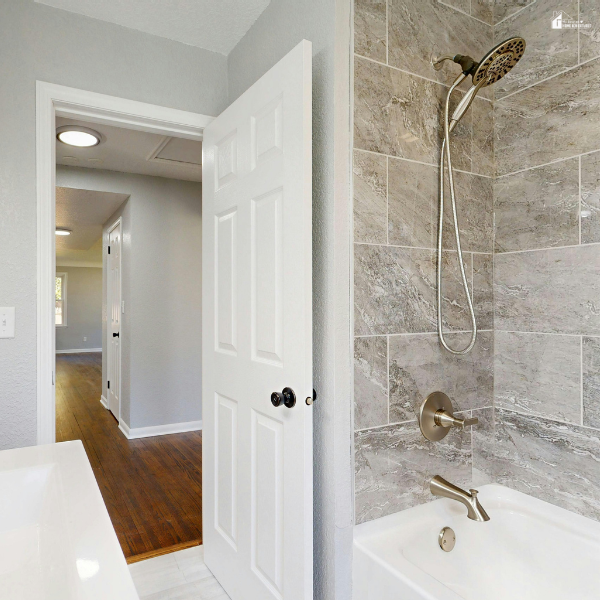
The first thing you need to know is where you will be using tile backer board. You will want to consider this material for wet rooms, bathroom floors, and shower and bathtub surrounds. You might also need these materials for kitchen countertops and backsplashes, and also for floors that have underfloor heating.
Use this material most often in bathrooms, but apply it in many other areas of your home. Install tile backer board anywhere moisture can build up and damage underlying materials.
It also provides a rigid, stable base. This helps prevent cracked grout and surface damage during use.
If a space regularly gets wet, include tile backer board in key areas. Bathrooms are the most common, but kitchens, laundry rooms, and other damp spaces also need it. Avoid using drywall alone in these areas.
Remember that mold and water damage can be harmful to your family and can cause long-term issues with the structure of your home. You can avoid these problems at all costs as a homeowner.
What Are the Types of Tile Backer Boards?
There are various kinds of this material. This isn’t usually considered to be a one-size-fits-all material. You should be aware of the various kinds of tile backer board since you might need more than one type to complete your home design or build project.
The use of the area in question and the design of the space can impact your choice between the following options.
Cement board is a common choice, and it is ideal for areas where moisture is a daily factor. Install an additional waterproofing membrane or coating on these boards when you use them in showers or bath areas. They weigh more than some other options and require more effort to install, but builders often choose them because they meet building codes.
Foam boards offer a lightweight and easy-to-cut option. Install them quickly and reduce labor and errors. They cost more than cement board products.
Fiber cement board combines fibers with cement for added strength. Use it in damp areas to support tile adhesion. Add a waterproofing layer when you install it in bathrooms.
Glass mat gypsum board includes a water-resistant core and a waterproof surface. Use it in wet areas with proper fasteners and sealed joints to maintain protection.
Avoid using drywall in wet areas like bathrooms. Moisture exposure often leads to mold growth and water damage, even with added protection behind it.

Ultimately, the cost of these materials might make it easier to choose one over the other, or you might need to make a choice based on waterproofing and performance in tough areas of your home.
Heavier products can be harder to install, but they might offer more durability and longevity than some of the lighter products on the market.
If you have never installed tile or these materials, you may not know which options work best for areas that need protection from water damage.
A builder or home design expert can help guide your choice so that you end up with the perfect products in each area of your home where moisture is a routine factor. There is no reason to guess when you almost certainly can access expert guidance to help you make your decision.
Selecting the Right Building Materials Makes All the Difference
Whether you handle the remodeling or hire an expert, your project will likely include tile backer board.
Understand how this product works and learn the different types available. This knowledge helps you review bids and make informed decisions about your project.
Prevent moisture damage by using the right materials. Many areas in a home face moisture risks, and poor installation can lead to serious problems.
Tile backer board protects areas where moisture is common. Use it in bathrooms, kitchens, and other spaces with regular water exposure. It plays a key role in durable home construction and helps prevent damage over time.