
How to Organize a Move That Reflects Eco-Friendliness
This post may contain affiliate links which might earn us money. Please read my Disclosure and Privacy policies here
A move represents transition, but it also leaves a mark, often through materials, fuel, and waste that could have been managed better. The process of packing, hauling, and setting up again can easily become resource-heavy without proper planning.
Organizing a move with eco-friendliness in mind simplifies logistics, cuts costs, and promotes accountability for everyone involved.

In cities like Miami, where residential and commercial relocations often happen regularly, a sustainable approach to moving is becoming more practical. Local demand for energy-efficient solutions and reusable materials is helping both homeowners and businesses think beyond the basics.
Adopting cleaner habits during planning, packing, and transportation enables moves to stay efficient while leaving a lighter footprint.
Let’s discuss more about this below:
Choosing Complete Service Providers
Selecting transportation partners that handle all key stages, packing, transport, and storage, keeps the process streamlined. It limits the need to coordinate multiple vendors and helps reduce wasted trips or redundant packaging.
Having one service provider also helps monitor timing, track resource use, and maintain better control over the environmental impact of the move.
Working with Miami office movers that provide full-service options can bring structure and reliability to complex transitions. A single, organized plan encourages efficiency and consistency across all stages, supporting eco-conscious practices without disrupting the moving timeline.
Coordinating Shared Shipments
Consolidating multiple shipments into one coordinated route is an effective way to save fuel and lower emissions. When several residential or business moves share transportation, vehicles operate closer to capacity instead of making repeated partial trips. This approach reduces environmental impact while also bringing a clear financial advantage.
Effective route planning can prove worthwhile in this regard. Coordinating with carriers ahead of time helps ensure that scheduling, load limits, and travel paths align smoothly. When handled properly, shared or combined shipments reduce both energy consumption and unnecessary travel time.
Donating Unused Items
Decluttering before a move supports sustainability by giving unwanted items a second life. Furniture, office supplies, or household goods that are still in good condition can be donated to local shelters, schools, or community centers rather than thrown away.
Arranging donations early in the process makes packing lighter and more efficient. It lowers moving costs and helps reduce waste while contributing to meaningful causes. For businesses, this approach also aligns with corporate social responsibility goals, creating value beyond relocation.
Using Digital Inventories
A paperless organization reduces clutter and waste throughout the moving process. Instead of printed checklists, spreadsheets, and receipts, digital tools can track items, schedules, and storage arrangements more efficiently. Cloud-based systems allow access from multiple devices, keeping information accurate and available to everyone involved.
For commercial moves, digital tracking brings structure to large-scale coordination. For homes, it prevents misplaced items and unnecessary printing. This transition toward electronic documentation reflects a small but impactful step in making moves cleaner and more organized.
Scheduling for Low Impact
Timing plays a significant role in how eco-friendly a move becomes. Scheduling relocations during off-peak hours reduces time spent in traffic, which directly cuts fuel consumption. Ultimately, it also lessens stress on both movers and drivers while creating a smoother experience overall.
Early planning helps align moving schedules with availability, energy use, and budget. Moves that take place during cooler times of day can also reduce strain on vehicles and equipment. Simple adjustments in timing create measurable environmental and practical benefits for residential and commercial projects alike.
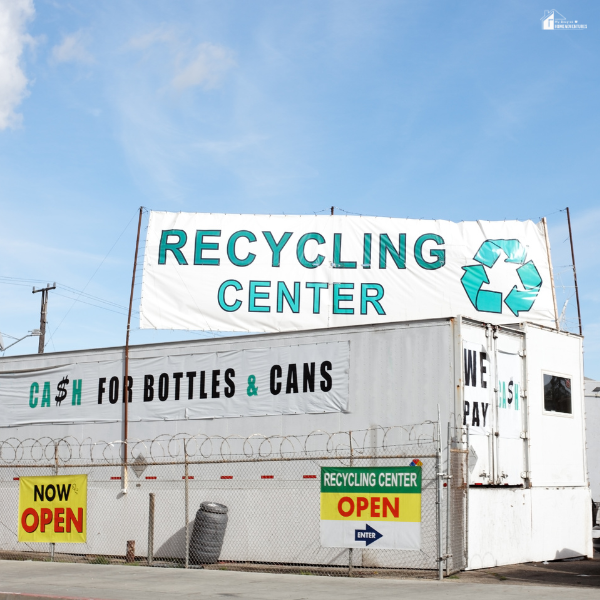
Partnering With Recycling Centers
Responsible disposal is a major part of sustainable moving. Coordinating with local recycling centers helps make sure that boxes, packing materials, and electronics are sorted correctly instead of being discarded. Many facilities accept items like cardboard, foam, and glass, turning waste into usable resources for future products.
This step works well for both homes and offices. Businesses clearing out old equipment can recycle electronics securely, while residents can handle leftover materials without adding to landfill waste. Building a list of nearby recycling partners before moving day keeps the process efficient and eco-focused.
Selecting Reclaimed Furnishings
Furnishing a new space offers a good chance to make environmentally mindful choices. Using reclaimed, refurbished, or recycled materials helps reduce the need for new production and minimizes waste. These options often bring character to interiors while keeping sustainability part of the setup.
For commercial spaces, reclaimed furniture can align with broader sustainability policies, offering a cost-effective and ethical alternative. Homeowners can explore local resale shops or suppliers specializing in repurposed pieces. Choosing durable materials also reduces replacement cycles, creating long-term savings and waste reduction.
Encouraging Green Habits
Sustainability doesn’t end once the move is complete. Keeping eco-friendly habits in place helps extend the impact of an organized and responsible move. Encouraging small actions, like recycling regularly, reducing energy consumption, or reusing packing materials, supports ongoing awareness among employees or family members.
A few reminders placed around the home or office can make a big difference. Simple practices such as separating waste properly, limiting single-use plastics, and maintaining energy-efficient equipment reinforce daily mindfulness. Such steady habits maintain the same environmentally conscious mindset that guided the move itself.
Optimizing Routes
Efficient route planning reduces both time and emissions. Identifying the shortest or least congested paths saves fuel and allows movers to work at a steady pace without idle waiting. Route optimization is especially effective for large-scale commercial relocations or multiple household deliveries.
Using mapping software or coordinating directly with drivers ensures that trips are well-organized and productive. When fewer miles are traveled and fewer stops are needed, the environmental and logistical benefits become immediately noticeable. Clear planning brings the moving process full circle, that is, efficient, controlled, and sustainable.

Organizing an eco-friendly move is less about grand gestures and more about thoughtful coordination. Every decision, from choosing a service provider to planning efficient routes, contributes to a process that respects both practicality and the environment.
In places where moving activity is constant, integrating small sustainable steps can make a noticeable difference. Whether for homes or offices, the effort to minimize waste, conserve energy, and promote lasting habits builds a cleaner, smarter approach to relocation, one that benefits people, businesses, and the planet alike.