Subtle Signs of Roof Decay That Property Owners Frequently Overlook
This post may contain affiliate links which might earn us money. Please read my Disclosure and Privacy policies here
Overlooked exterior wear and subtle moisture leaks can quietly damage attic framing and drive up maintenance costs if left unaddressed. Catching early warning signs keeps your home safe and dry.
Most homeowners believe their roof is in fine shape as long as no water drips onto the living room carpet. Exterior wear often begins long before a ceiling stain forces you to call a repair crew.
Spotting minor vulnerabilities around your property allows you to address subtle leaks before structural decay sets in. Paying attention to early signs protects your property value and prevents expensive emergency structural work down the line.
How Do You Select Qualified Roofing Contractors?
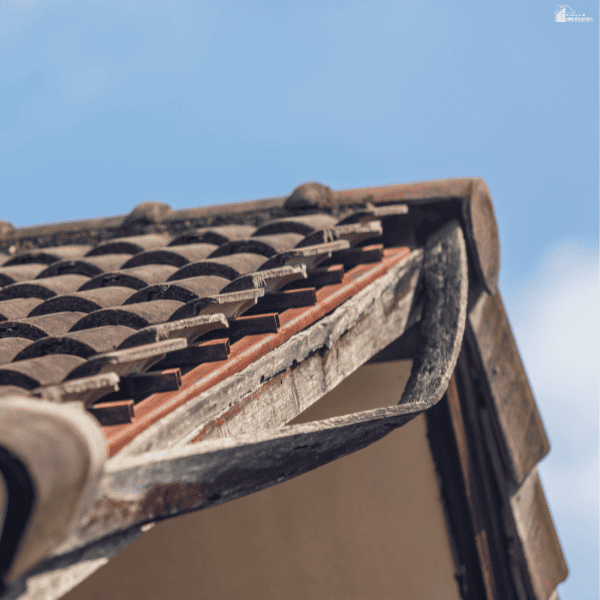
Property owners need reliable professionals when evaluating structural integrity and performing full roof replacements. Finding experienced specialists helps, and the team behind First American Roofing says that thorough attic inspections and roofline evaluations are critical for catching moisture intrusion early.
Hiring licensed professionals gives you peace of mind that all safety standards and local codes are fully met.
Verify that any contractor you hire carries active liability insurance and state licensing. Requesting detailed written estimates and proof of safety certifications protects your finances throughout the repair process.
Working with certified installers ensures that your warranty protection remains completely valid. Experienced teams identify hidden deck rot during tear-offs, giving your replacement roof a clean, solid foundation.
How Do You Spot Early Roofing Wear From Your Yard?
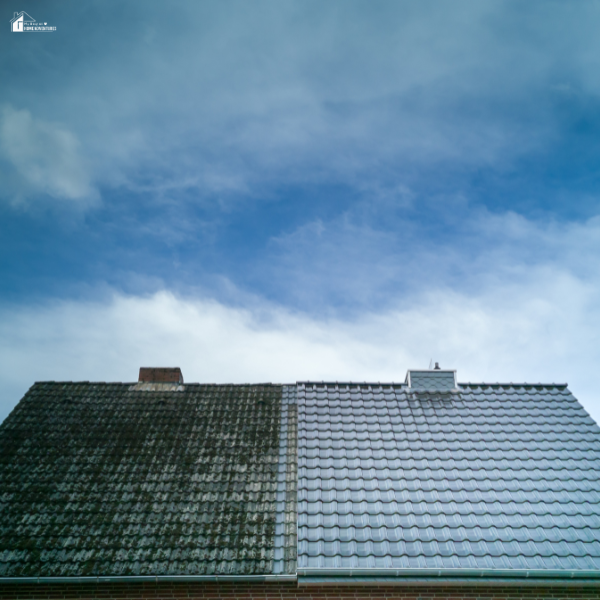
Walk around your lawn during bright daylight to inspect your roofline without climbing a ladder. Look closely at the edges of your roof structure where shingles meet the open air. Curling shingle tabs, slight lifting along the eaves, and faded fascia boards indicate that weather exposure is taking a toll on your building envelope.
Pay close attention to your downspout runoff after a rainstorm.
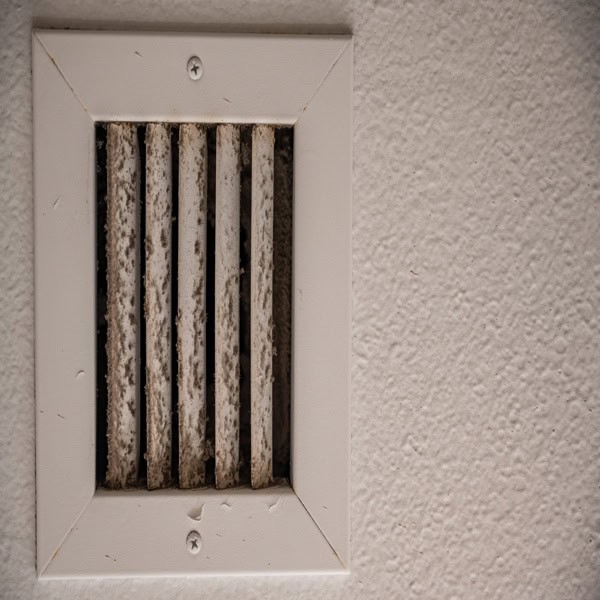
Sand-like sediment piling up near splash blocks points directly to surface breakdown on your roof. Experts at NUFW point out that when structural degradation has already taken hold from prolonged water exposure, localized roof repairs are necessary to stabilize the decking before updating the ventilation grid.
Checking chimney flashing and vent seals from ground level also reveals critical structural clues. Gaps in rubber boots or rusted metal collars allow driven rain to seep beneath top shingles. Catching these perimeter defects early keeps water from reaching the interior framing of your home.
Why Is Granule Loss Dangerous for Your Roof?
Shingle granules act as a protective barrier against external environmental conditions. Direct sun exposure rapidly breaks down bare asphalt once those ceramic-coated grains strip away during heavy downpours.
Educational material from interNACHI explains that loss of volatiles, which help keep shingles flexible and waterproof, is accelerated by poor ventilation. Replacing worn sections quickly preserves the protective barrier and prevents water from reaching the wooden subdeck underneath.
Losing granules reduces the thermal efficiency of your roof surface. Bare asphalt absorbs heat rapidly, transferring summer warmth directly into your attic space and driving up cooling bills. Keeping shingles intact protects both your subdeck and your monthly energy usage.
What Hidden Signs Signal Attic Moisture Problems?
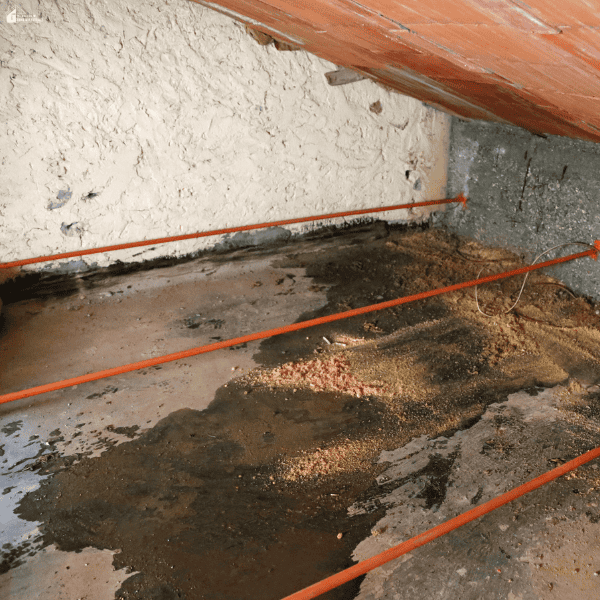
Step into your attic space with a flashlight to examine the underside of your roof decking. Dark streaks on wooden rafters or rusty nail heads signal elevated humidity levels inside the upper building cavity.
Flaking paint along upper wall seams often traces back to dampness rising from an unvented attic space. Trapped dampness weakens structural supports long before water visibly drips through your ceiling drywall.
Check insulation layers for signs of packing or matting. Damp insulation loses its ability to trap heat, forcing your HVAC system to work harder while creating an ideal environment for wood rot.
How Does Attic Airflow Balance Protect Roof Lifespan?
Proper ventilation balances intake air from soffits with exhaust air through ridge vents. Continuous airflow prevents heat build-up that bakes shingles from the inside out during warm summer months.
Winter weather demands balanced ventilation to stop warm interior air from creating ice dams along your roof edges. Proper airflow maintains uniform roof temperatures across every season.
Balanced attic air circulation reduces thermal stress on structural trusses and rafters. Minimizing temperature swings prevents wooden beams from expanding and contracting excessively over time.
Key Steps for Routine Roof Inspections
Regular checks keep small repairs simple and affordable. Performing seasonal reviews helps you track subtle changes in your exterior materials before minor defects turn into structural failures.
- Inspect downspout basins: Clear out accumulated grit and leaves after major rainstorms.
- Check flashing boundaries: Examine metallic seals around chimneys and skylights for gaps or rust.
- Examine attic insulation: Look for signs of dampness or compression beneath structural rafters.
- Monitor shingle alignment: Scan roof edges for curling, buckling, or loose shingle tabs.
Catching minor roofing vulnerabilities early protects your interior equity and eliminates expensive emergency tear-offs. Checking your property regularly keeps your home dry, secure, and structurally sound for years to come.