
Early HVAC Mold Signs and What to Look for During Removal
This post may contain affiliate links which might earn us money. Please read my Disclosure and Privacy policies here
Your HVAC system works hard to keep your home comfortable, but it also creates the perfect conditions for mold to take hold. Moisture, darkness, and dust combine inside ducts and coils to give mold exactly what it needs to spread.
The problem is that mold inside an HVAC system is easy to miss until it has already caused real damage to your air quality and your health. Knowing the early warning signs can save you from a much bigger problem down the road. Here is what to watch for.
Why HVAC Systems Are Especially Vulnerable to Mold Growth
Mold does not need much to survive. It needs moisture, an organic food source, and a surface to grow on. Your HVAC system, unfortunately, provides all three in abundance.
The evaporator coil inside your air handler collects condensation every time the system runs. If that moisture does not drain properly, it pools and sits. Dust and debris that build up inside the ductwork serve as a food source.
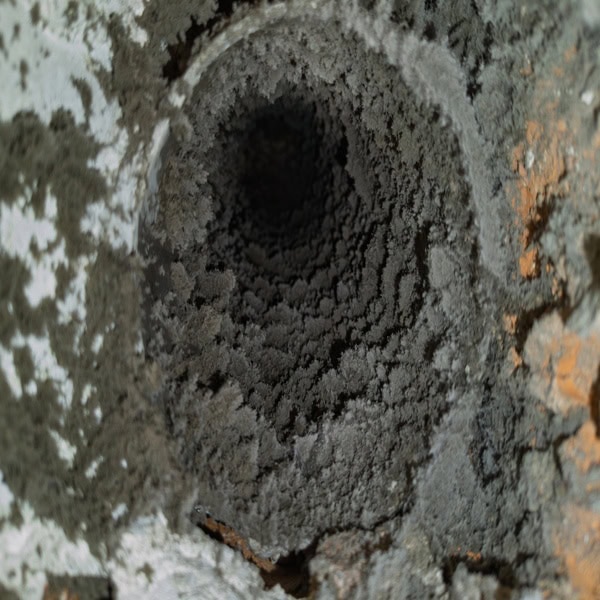
The interior of air ducts stays dark and receives little airflow of the kind that would dry things out. This combination makes HVAC systems one of the most common places for mold to develop inside a home.
Seeking out reliable mold removal services for HVAC systems becomes far more important once you understand how quickly the problem can spread.
Mold spores travel through your duct system with every cycle the unit runs, which means a small colony in one section of the ductwork can distribute spores throughout your entire home within days.
Homes in humid climates face an even higher risk, but no system is immune. Proper maintenance and early detection are your strongest tools against it.
Warning Signs Your HVAC System May Have a Mold Problem
Musty Odors, Visible Growth, and Allergy-Like Symptoms
One of the first things most homeowners notice is a smell. A persistent musty or earthy odor that appears whenever the HVAC system turns on is one of the clearest early indicators of a mold problem. The smell often disappears when the unit is off, which can make it easy to dismiss. Do not ignore it.
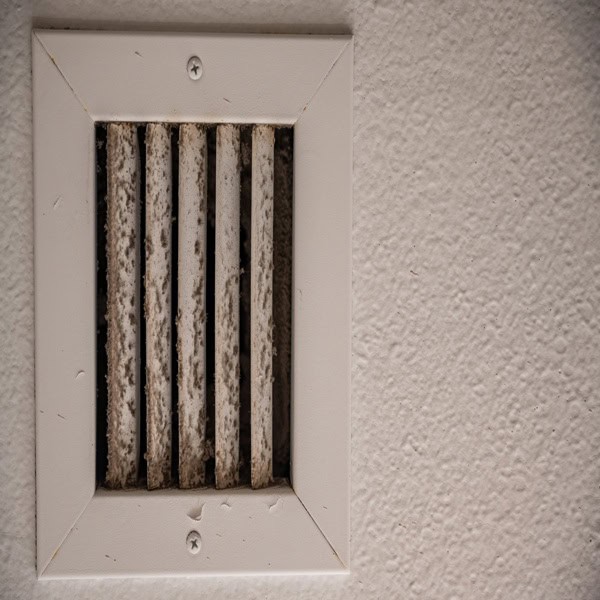
In some cases, you may actually see mold. Check around your air vents, return air grilles, and drip pans for dark spots or discoloration. Mold can appear black, green, gray, or even white, depending on the type and surface it grows on.
Health symptoms are another important signal. If you or someone in your home experiences increased sneezing, nasal congestion, itchy eyes, or skin irritation that seems to ease up outside the house, your HVAC system may be circulating mold spores.
People with asthma or existing respiratory conditions tend to notice these symptoms first.
Performance Red Flags: Rising Energy Bills and Poor Airflow
Mold growth inside ducts and on coils can restrict airflow and force your system to work harder than it should. As a result, you may notice that certain rooms feel stuffy or fail to reach the set temperature. Your system may also run for longer cycles without achieving the desired comfort level.
Check your recent utility bills. A gradual but unexplained increase in energy costs, especially during months of heavy HVAC use, can indicate a system straining from blocked airflow. Mold-clogged coils lose their ability to transfer heat efficiently, which drives up energy consumption.
These performance issues are easy to attribute to other causes, so it helps to consider them alongside the other warning signs listed here.
What to Look for in Proper Mold Removal and Cleanup
Containment and Safe Removal
A proper removal process includes isolating affected areas to prevent mold spores from spreading during cleanup. Containment methods such as barriers and controlled airflow are commonly used.
Handling and Disposal of Contaminated Materials
Some materials, such as insulation or heavily affected components, may need to be removed entirely. These materials should be handled carefully and disposed of according to safety guidelines.
Improper disposal can allow mold spores to spread beyond the original area, which may lead to further contamination.
Identifying the Source of Moisture
Effective cleanup includes identifying and correcting the source of moisture that allowed mold to grow. Without addressing this issue, mold can return even after thorough removal.
When Professional Removal Is Necessary
Situations That Require Expert Help
Professional services are recommended when mold is present inside ductwork, air handlers, or other internal components. These areas are difficult to access and require specialized equipment.
Benefits of Proper Cleanup and Disposal
Experienced technicians can assess the extent of contamination, remove affected materials safely, and ensure that disposal is handled correctly. This reduces the likelihood of repeated issues and helps maintain indoor air quality.
Conclusion
Mold in an HVAC system often begins with subtle signs such as odors, minor health symptoms, or reduced performance. Recognizing these early indicators allows for quicker action before the problem spreads.
Equally important is understanding how proper removal and disposal should be handled. Safe containment, careful cleanup, and correct disposal of contaminated materials all play a role in preventing further issues.
By paying attention to both the warning signs and the cleanup process, homeowners can address HVAC mold problems more effectively while protecting indoor air quality and maintaining a healthier living environment.