How to Make the Right Choice When Selecting a High-Performance Lawn Mower Blade
This post may contain affiliate links which might earn us money. Please read my Disclosure and Privacy policies here
Selecting the right high-performance lawn mower blade has a direct impact on the quality of the cut, the health of the grass, and the mower's overall efficiency. The best blade is the one that matches the type of grass, mowing conditions, and the desired finish for your lawn.
A blade that suits one yard may not deliver the same results in another, which is why understanding the differences is important
Standard, mulching, and high-lift blades each serve a specific purpose. For example, high-lift blades create strong airflow that suits taller grass and bagging, while mulching blades recycle clippings back into the soil for natural nutrition.

By understanding these differences, anyone can make a choice that saves time and produces a cleaner, healthier cut.
It is not just about blade style but also about compatibility with the mower and the size of the yard. A well-matched blade reduces strain on the machine, improves fuel efficiency, and delivers a consistent result.
With the right knowledge, selecting a high-performance blade becomes a straightforward decision rather than a guess.
Key Factors When Selecting High-Performance Lawn Mower Blades
The right blade choice depends on blade design, lawn conditions, mower type, and the quality of the material. Each of these factors directly affects cut quality, grass health, and mower performance.
Assessing Blade Material and Durability
The blade material directly affects both lifespan and performance. Most modern blades are made from hardened steel, which strikes a balance between strength and resistance to bending. However, not all steel grades are equal, and cheaper blades may dull more quickly or chip under stress.
Coated blades sometimes resist rust and corrosion better, which is helpful in damp climates. Sharpening frequency also depends on material quality, with stronger steels holding an edge longer.
Durability matters because damaged blades can harm both the mower and the lawn. Bent or chipped blades leave uneven cuts and increase the risk of debris being thrown. Replacing blades every one to two years is common, but heavy use or rough terrain may require earlier replacement.
It’s also important to find high-performance lawn mower blades that match your mower's specifications exactly and are chosen for their cutting performance, durability, and value.
Understanding Blade Types for Optimal Results
Different blade types serve different purposes, and selecting the wrong one can result in uneven cuts or wasted effort. Standard blades, often referred to as medium-lift, produce a steady airflow and are well-suited for general mowing. They suit most average lawns but may not handle tall or thick grass effectively.
Mulching blades feature a curved shape with extra cutting edges. They chop clippings into fine pieces that return nutrients to the soil. This type works best for those who mow regularly and want natural fertilization without collecting clippings.
High-lift blades use angled edges to create strong suction. This design lifts grass upright before cutting, which produces a clean, sharp finish. They also move clippings into a catcher more efficiently, making them ideal for taller or wetter grass.
Low-lift blades reduce suction and are better suited to sandy or dry areas. They limit dust and debris movement while still cutting short grass effectively. Choosing among these blade types depends on the desired finish and mowing conditions.
Matching Blade to Grass Type and Lawn Conditions
Grass variety and lawn environment influence which blade works best. Thick grasses such as buffalo or kikuyu often benefit from high-lift blades because the suction helps achieve a neat cut. On the other hand, fine grasses like couch may cut cleanly with standard blades.
Mulching blades perform well where lawns are mowed often and grass growth is moderate. They recycle nutrients into the soil, supporting steady growth without the need for frequent fertilizer. However, they may struggle in very tall or wet grass.
For lawns in sandy regions, low-lift blades reduce dust clouds and protect mower parts from excess wear. In contrast, lawns with taller growth or damp conditions usually demand high-lift blades for stronger airflow and more precise cutting.
Matching blade type to grass and ground conditions avoids uneven cuts and reduces strain on the mower. This approach also helps maintain a consistent lawn appearance throughout the season.
Choosing the Right Blade for Push or Riding Mowers
The type of mower also affects the choice of blade. Push mowers often use standard or mulching blades, as they strike a balance between efficiency and ease of use. These blades are ideal for smaller yards, where clippings can be left on the ground or easily bagged with minimal effort.
Riding mowers cover larger areas and typically require blades that can handle a greater volume. High-lift blades are common in these machines since they provide strong suction to move clippings into larger bags or discharge systems. They also maintain cut quality across wide decks.
Some riding mowers accept specialized blades designed for mulching kits. These blades allow large lawns to benefit from natural fertilization without constant bagging. However, the mower must be compatible with this setup.
Selecting blades based on the mower type prevents poor performance and ensures the machine operates smoothly. It also helps avoid unnecessary wear on belts and engines.
Ensuring Cutting Performance and Compatibility
A lawn mower blade must match the mower’s specifications to deliver clean cuts, support safe operation, and maintain lawn health. Blade length, identification numbers, and functional design all contribute to the mower's ability to handle grass effectively under various conditions.
Measuring Blade Length and Identifying the Correct Fit
Blade length directly affects cutting performance and mower safety. A blade that is too long can strike the deck or housing, while one that is too short may leave uncut strips of grass. Measuring from tip to tip across the blade gives the correct length.
It is also important to check the center hole shape and diameter. Some blades use a star pattern, while others use a round or rectangular mount. A mismatch can prevent the blade from fitting securely.
Additionally, the blade width and thickness affect balance and airflow. Thicker blades handle tougher grass but may require more engine power. By matching these measurements to the mower’s design, the user avoids vibration, uneven cutting, and premature wear.
Understanding OEM Numbers and the Replacement Process
Each mower model has an OEM (Original Equipment Manufacturer) number that identifies the blade designed for it. This number acts as a reference for finding the best lawn mower blade replacement without guesswork.
The OEM number is usually printed on the old blade or listed in the mower’s manual. Using this number avoids confusion between similar blade shapes and sizes. It also helps confirm compatibility with the spindle and deck design.
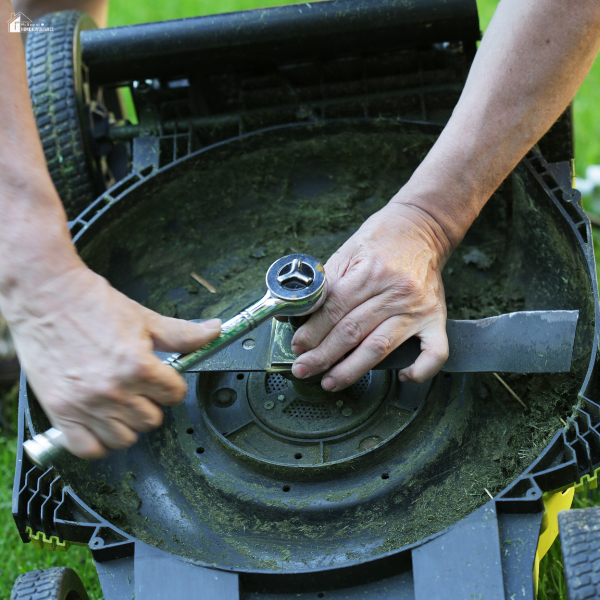
During blade replacement, safety precautions are crucial. The spark plug should be disconnected, and the mower should be placed on a stable surface. The old blade can then be removed with the correct socket or wrench, and the new blade installed with the cutting edge facing the right direction. Proper torque on the bolt keeps the blade secure.
Bagging, Mulching, and Discharge: Achieving Desired Results
Different blade designs influence how the mower handles clippings. A high-lift blade creates strong airflow that directs grass into a bag. This option works well for those who want a clean lawn without leftover clippings.
Mulching blades feature curved edges that chop grass into fine pieces. These clippings return nutrients to the soil, improving lawn care without the need for collection. However, they work best on dry grass and moderate growth.
Side-discharge blades push clippings out of the deck, spreading them evenly across the yard. This method is suitable for larger areas where appearance is less of a concern. Choosing between bagging, mulching, or discharge depends on lawn size, grass type, and the desired finish.
Conclusion
The choice of lawn mower blade directly affects the quality of the cut and the condition of the grass. Different blade types suit different lawns, so selecting the right one depends on grass type, lawn size, and the desired finish.
Standard blades suit general use, mulching blades recycle clippings, and high-lift blades provide a cleaner cut for taller grass. Low-lift blades work better in sandy areas and reduce dust.
Regular checks, sharpening, and timely replacement keep blades effective and safe. By matching blade type to lawn needs and maintaining them properly, homeowners achieve a consistent and healthy result.