Creating Practical Living Spaces That Fit Your Family’s Daily Needs
This post may contain affiliate links which might earn us money. Please read my Disclosure and Privacy policies here
Designing a home that truly works for everyday life requires more than visual appeal. Practical living spaces are defined by how well they support routines, adapt to changing needs, and make daily tasks easier for everyone in the household.
As lifestyles become more dynamic, families are looking for environments that balance comfort with efficiency, allowing each space to serve a clear purpose without feeling restrictive or cluttered.
This shift has led to a greater emphasis on intentional design, where every feature contributes to usability. From outdoor layouts to interior organization, thoughtful decisions can transform how a home functions.
By focusing on practicality from the start, homeowners can create spaces that remain comfortable, flexible, and easy to maintain over time.
Outdoor Areas Extend Everyday Living
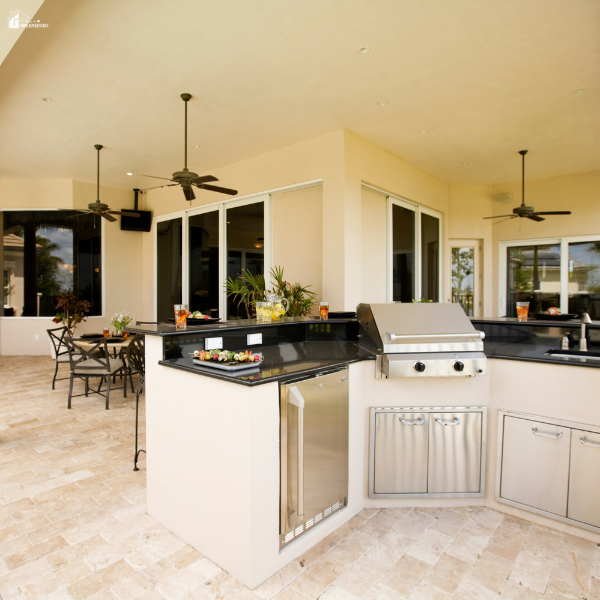
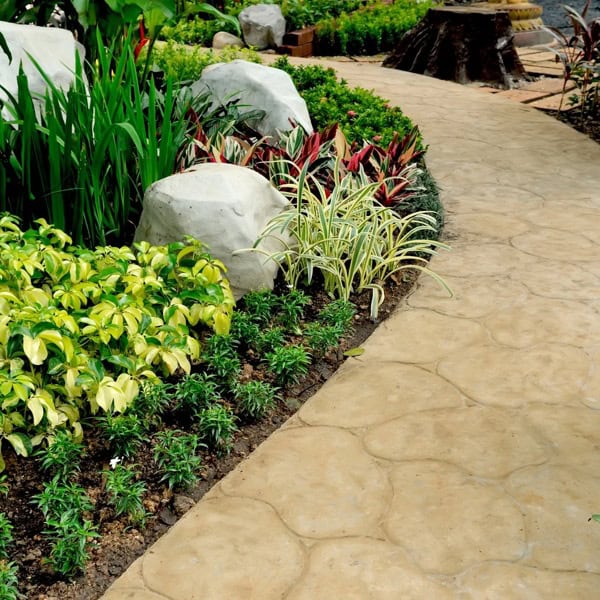
Outdoor spaces play a significant role in supporting daily life, especially for families who value flexibility and additional room to relax or entertain. When designed properly, these areas can function as natural extensions of the home, offering places for dining, recreation, and downtime without requiring major structural changes.
Planning approaches seen in professional hardscaping services demonstrate how outdoor environments can be structured to improve usability. Defined seating areas, walkways, and durable surfaces help create organized spaces that are both practical and easy to maintain, reducing the effort required to keep them functional.
Interior Layouts Should Support Daily Routines
Inside the home, layout plays a crucial role in determining how efficiently spaces are used. Open-plan designs can encourage interaction and flexibility, while clearly defined zones help maintain structure and organization. The goal is to create a balance that allows for both shared activities and individual needs.
When layouts are aligned with daily routines, movement becomes more intuitive and tasks feel less demanding. Kitchens that connect easily to living areas, for example, make it easier to manage meals and family interactions at the same time. This type of thoughtful planning enhances both comfort and functionality.
Renovation Improves Long-Term Usability
Over time, a home may need adjustments to better fit evolving needs. Renovation provides an opportunity to update layouts, improve functionality, and address areas that no longer serve their purpose effectively. These changes can significantly enhance how a home is experienced on a daily basis.
Projects involving commercial renovation in Shingle Springs reflect how structured improvements can optimize space for better performance. By rethinking how areas are used and making targeted updates, homeowners can create environments that are more efficient and aligned with their current lifestyle.
Storage Solutions Keep Spaces Organized
Organization is essential for maintaining a practical living environment. Without sufficient storage, even well-designed spaces can quickly become cluttered, making daily routines more difficult. Built-in storage, multi-functional furniture, and clearly designated areas for everyday items all contribute to a more organized home.
Effective storage solutions should be easy to access and aligned with how each space is used. When everything has a place, it becomes easier to maintain order and reduce the time spent managing clutter. This not only improves functionality but also enhances overall comfort.
Durable Materials Support Everyday Use
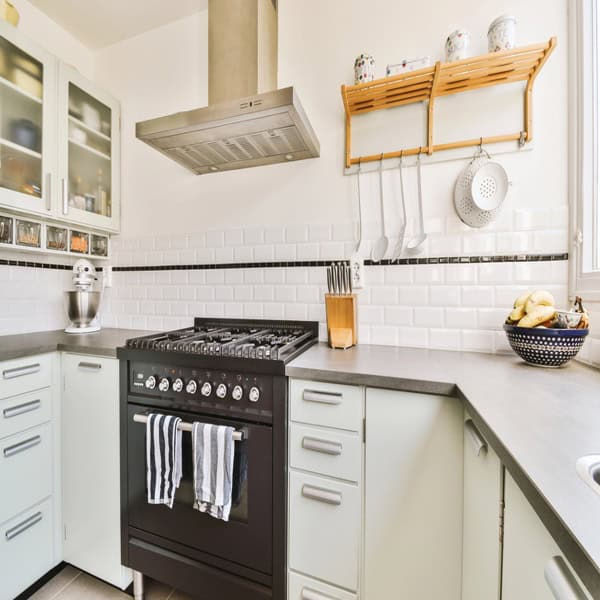
Materials play a key role in how well a space performs over time. Surfaces that can withstand regular use without showing wear are particularly important in high-traffic areas such as kitchens, hallways, and outdoor spaces.
According to the National Association of Home Builders, durable materials contribute significantly to long-term property performance and homeowner satisfaction. Choosing the right materials ensures that spaces remain functional and visually appealing with minimal maintenance.
Flexible Spaces Adapt to Changing Needs
Families often require spaces that can serve multiple purposes. A room that functions as a workspace during the day and a relaxation area in the evening adds versatility without requiring additional square footage. This flexibility is especially valuable in homes where space needs to be used efficiently.
Designing with adaptability in mind allows homeowners to adjust their environment as needs evolve. Whether it involves movable furniture or multi-purpose layouts, flexible spaces help ensure that the home remains practical over time.
Lighting and Airflow Improve Daily Comfort
Comfort is closely linked to environmental factors such as lighting and airflow. Natural light enhances mood and creates a sense of openness, while proper ventilation supports air quality and temperature balance.
By optimizing these elements, homeowners can create spaces that feel more comfortable and inviting. Simple adjustments, such as improving window placement or adding ventilation, can have a noticeable impact on daily living.
Consistency Creates a Balanced Living Environment
A practical home is one where all elements work together to support a consistent experience. When layouts, materials, and design features are aligned, spaces feel more cohesive and easier to navigate.
Consistency reduces confusion and helps maintain order, making daily routines more efficient. By focusing on integration and thoughtful design, homeowners can create living environments that are not only functional but also comfortable and sustainable in the long term.