Why Quality Sleep Is Essential for Stay-at-Home Parents
This post may contain affiliate links which might earn us money. Please read my Disclosure and Privacy policies here
The culture often portrays staying home with children as a peaceful existence of food, crafts, and lullabies. This illusion shatters after three nights of insomnia and eight loads of laundry. Home caregiving requires frequent decision-making.
It depletes emotions. Without sleep, the body wobbles. Memory deteriorates. Patience wanes. Mutiny erupts from little disputes. Quality sleep no longer resembles self-care. It becomes essential to the household economy. If I ignore that, the everyday grind slowly erases me.
Brain Fog Meets Toddler Chaos
Sleep dims attention. Cut it, and the mind flickers. Stay-at-home parents run a small, noisy command center. Stay-at-home parents handle meals, safety checks, scheduling, medical notes, and social disputes. One overworked brain receives it all.
Lack of sleep inhibits reaction. It turns simple choices into difficult challenges. Feeling guilty follows. Why is a youngster yelled at for spilling milk? The grocery list feels like calculus—why?
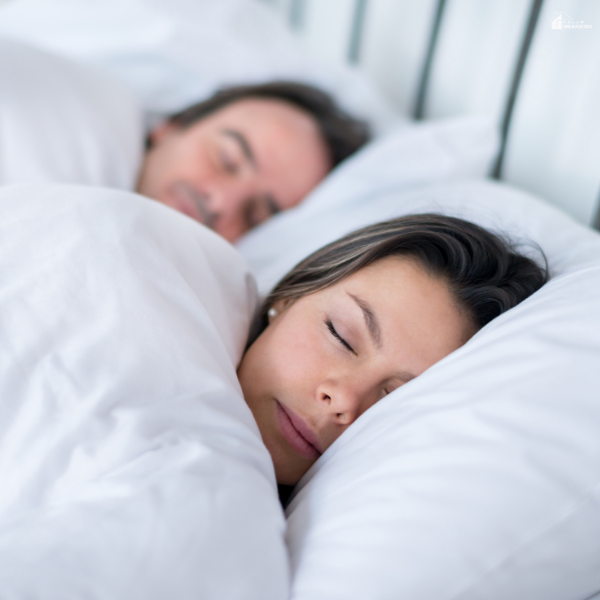
A Nest Bedding king mattress is boring until it quietly avoids disasters. Small sleep improvements lead to calmer mornings and fewer frantic apologies.
Emotional Stability Is Not Optional
Children read the mood like radar. An overworked parent silently expresses their frustration. Sleep loss hijacks emotional control. Stress hormones spike. Tiny frustrations feel like personal attacks. The result is a tense house. Kids escalate. The adult escalates faster. Nobody wins.
Quality sleep gives the brain enough fuel to pause before reacting. It turns a scream into a sigh. It lets an argument about shoes turn into a joke rather than a meltdown. Emotional regulation needs rest, not more willpower. Stable nights build the kind of predictable presence that kids quietly depend on.
Physical Health Holds the Whole House
Outsiders view caregiving as passive. Step counter data is accurate. The urge to walk, lift, bend, and clean is continual. It appears to be a form of peaceful manual labor. Chronic sleep loss weakens immunity. Every daycare virus becomes more severe and lasts longer. Deep sleep repairs muscles.
At night, hunger, weight, and blood sugar hormones normalize. Sacrificing that window costs the body years of interest. Sleeping well helps stay-at-home parents avoid burnout and continue caring for their families. Strong joints, a calmer heartbeat, and fewer colds keep the family machine running.

Identity, Patience, and the Long Game
Exhaustion shrinks a person’s world. Life starts to feel like a loop of dishes, snacks, and negotiations about screen time. With enough sleep, perspective stretches again. Long-term goals stop feeling like a joke. You can read a chapter, plan a class, or schedule a checkup.
Those small steps need mental bandwidth. Sleep supplies it. Parents who rest can remember that they exist as full humans, not just crisis managers. That awareness changes interactions with kids. It replaces resentment with firmer boundaries and clearer affection.
The family gains a guide, not just a worn-out attendant reacting to chaos.
Conclusion
Superior sleep for a stay-at-home parent is not a luxury. Much like an operating system, superior sleep manages all other aspects of a stay-at-home parent's life. It affects emotional presence, patience, physical stamina, and identity beyond chores.
When rest improves, daily pandemonium remains loud but tolerable. Children sense and reflect steadiness. From crisis center to functional base camp, the household changes. Better nights softly rewrite the days, one less hectic morning at a time.