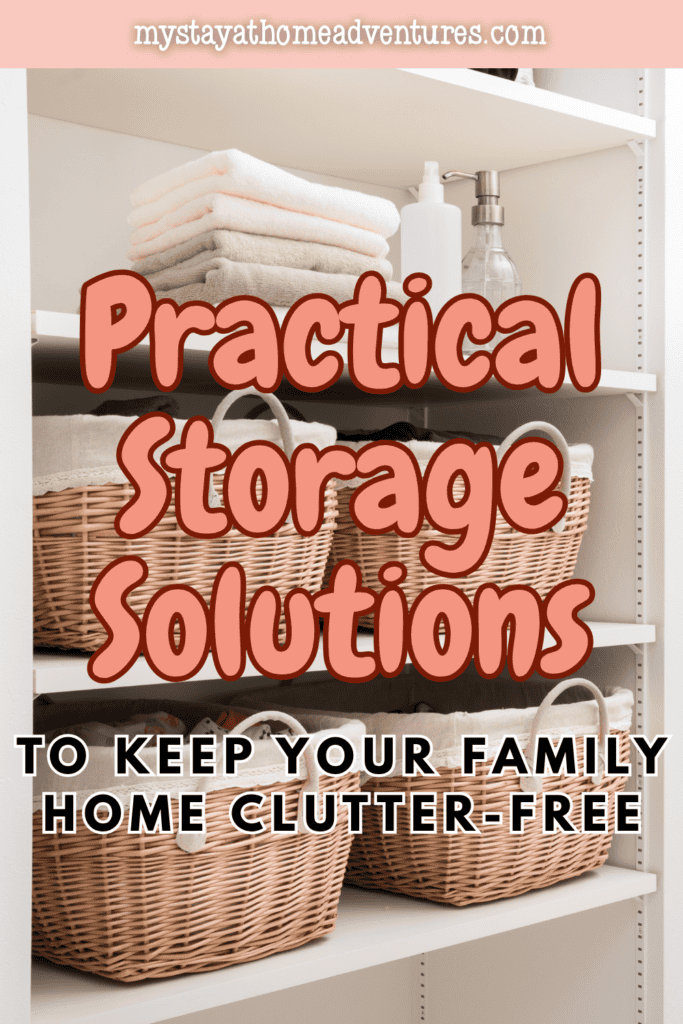
Practical Storage Solutions to Keep Your Family Home Clutter-Free
This post may contain affiliate links which might earn us money. Please read my Disclosure and Privacy policies here
Keeping a family home organized can feel like an endless task, especially when everyone has different schedules, hobbies, and responsibilities.
From children's toys and school supplies to kitchen essentials and laundry, everyday belongings can quickly accumulate and make your living space feel overwhelming. However, creating a clutter-free home doesn't require expensive renovations or additional square footage.
With thoughtful storage solutions and consistent organization habits, families can make better use of their existing space. The key is to create practical systems everyone in the household can follow while maintaining a comfortable, welcoming environment.
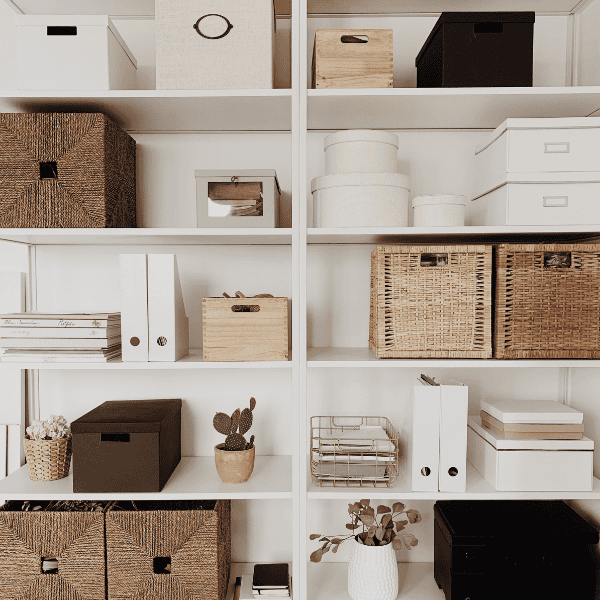
Start By Decluttering Your Home
Before investing in new storage solutions, take time to assess what your family actually needs. Unused appliances, outgrown clothing, forgotten toys, and duplicate household items often occupy valuable storage space. Decluttering helps you identify which belongings deserve a permanent place in your home.
Work through one room at a time and separate belongings into categories for keeping, donating, recycling, or discarding. Encourage children to participate by sorting through their toys and choosing items they no longer use.
This approach teaches valuable organizational skills while making the process more manageable for parents.
Make Better Use of Vertical Space
Many families overlook the storage potential of their walls, particularly in smaller homes. Vertical storage allows you to organize everyday essentials without sacrificing valuable floor space. Wall-mounted shelves, hanging organizers, and hooks can transform previously unused areas into functional storage zones.
Custom hardwood shelves from Nook Woodworking offer homeowners shelving that fits specific spaces and complements their existing decor. Wooden shelves can provide practical storage for books, baskets, kitchen essentials, and decorative accessories.
Consider installing shelving above desks, in unused alcoves, or along empty hallway walls. Keep frequently used items within easy reach and reserve higher shelves for belongings that you use less often.
Create a Functional Entryway
The entryway often becomes a dumping ground for shoes, jackets, backpacks, and keys. Without a designated storage system, these items can quickly spread into other areas of the home. Creating an organized entryway encourages family members to put their belongings away as soon as they arrive home.
Install wall hooks for coats and bags, and introduce a shoe rack or storage bench to keep footwear organized. Place a small basket near the door for keys, wallets, and other everyday essentials. Assign each family member a designated storage area to prevent unnecessary clutter.
Invest in Multifunctional Furniture
Multifunctional furniture provides an excellent way to maximize storage in a busy family home. Storage ottomans, beds with built-in drawers, and coffee tables with hidden compartments offer additional space without overcrowding rooms. These furniture pieces are particularly useful in homes with limited storage options.
Consider using a storage bench in the living room to organize blankets, board games, and children's toys. In bedrooms, under-bed storage containers can accommodate seasonal clothing, spare bedding, and other occasional-use items. Choose furniture that supports your family's daily routines and long-term storage needs.
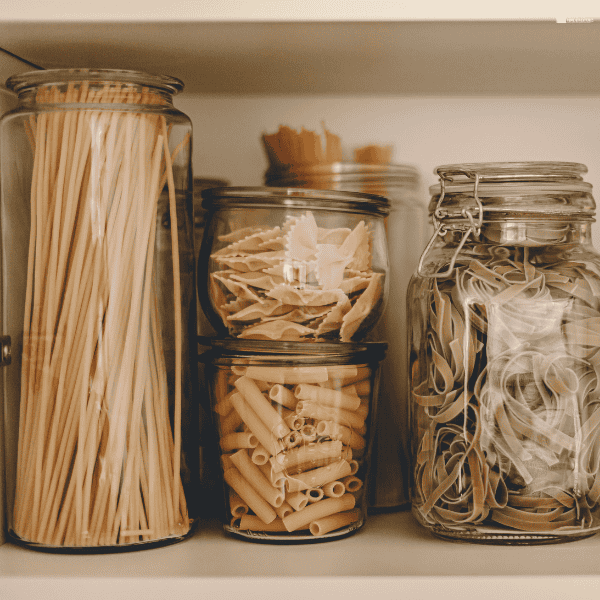
Organize Your Kitchen Cabinets and Pantry
A well-organized kitchen makes meal prep easier and reduces the stress of busy family mealtimes. Start by grouping similar ingredients, cookware, and utensils together. Store frequently used items in accessible locations to simplify everyday cooking.
Clear storage containers can keep dry ingredients organized and make it easier to monitor food supplies. Drawer dividers, cabinet organizers, and stackable containers can also maximize available space. Label pantry containers to help family members find ingredients and return them to their designated locations.
Regularly check expiration dates and plan meals around ingredients you already have. This simple habit helps reduce food waste, save money, and prevent unnecessary pantry clutter.
Establish a Storage System for Children's Toys
Children's toys can quickly take over shared living spaces without an effective organization system. Open baskets, labeled storage bins, and low shelving provide accessible solutions that encourage children to tidy up independently.
Organize toys into categories, such as building blocks, stuffed animals, puzzles, and art supplies.
Consider introducing a toy rotation system to reduce the number of items available at any given time. Store some toys away and swap them out every few weeks to keep children interested. This approach reduces visible clutter while making existing toys feel exciting again.
Keep Bedrooms Comfortable and Organized
Bedrooms should provide a relaxing environment where family members can unwind after a busy day. However, overflowing closets, scattered clothing, and crowded surfaces can make these spaces feel chaotic. Simple storage improvements can help restore a sense of order.
Use drawer organizers to separate smaller clothing items and accessories. Install additional closet shelving for folded clothes, handbags, and seasonal belongings. Encourage everyone to put dirty clothing directly into laundry hampers rather than leaving it on furniture or the floor.
Introduce Affordable Bathroom Storage Solutions
Bathrooms often have limited storage space despite needing to accommodate numerous everyday essentials. Toiletries, towels, cleaning products, and personal care items can quickly overcrowd countertops and cabinets. Using existing space more effectively can help keep bathrooms clean and functional.
Use small baskets inside cabinets to organize personal care products and spare toiletries. Install hooks behind the door for towels and robes, and consider shelving above the toilet for additional storage. Keep cleaning chemicals and medications securely stored away from children.

Create a Dedicated Household Paperwork Station
School notices, bills, receipts, and important documents can quickly accumulate on kitchen counters and dining tables. A dedicated paperwork station helps keep these items from spreading throughout the home. A small desk organizer or filing cabinet may provide all the storage your family needs.
Separate documents into categories according to their purpose and urgency. Set aside time each week to review paperwork, complete necessary tasks, and discard documents you no longer need. Consider switching to digital statements whenever possible to reduce unnecessary paper clutter.
Get Creative With Budget-Friendly Storage
Keeping your home organized doesn't mean buying expensive storage accessories. Repurposing everyday household items can provide affordable and environmentally friendly alternatives. Old baskets, shoeboxes, glass jars, and wooden crates can serve various organizational purposes.
Use empty jars to store craft supplies, repurpose sturdy boxes as drawer dividers, or transform wooden crates into simple storage units. Thrift stores and garage sales can also offer affordable furniture and organizational accessories. Always measure your available space before purchasing additional storage products.
Develop Daily Organization Habits
Even the most effective storage solutions require consistent maintenance to remain useful. Encourage your family to spend ten minutes each evening returning belongings to their designated places. Completing small organizational tasks regularly prevents clutter from becoming overwhelming.
Teach children to put away toys before starting another activity and encourage everyone to tidy shared spaces. Adopt a one-in, one-out rule when purchasing new household items to prevent unnecessary accumulation. Over time, these simple habits can make household organization feel more natural and manageable.
Conclusion
Creating a clutter-free family home begins with practical storage solutions that accommodate everyday routines and individual needs. By maximizing vertical space, repurposing existing items, organizing belongings, and establishing consistent habits, families can enjoy more functional and comfortable living environments.
Remember that an organized home does not need to look perfect. Focus on creating accessible storage systems that simplify everyday responsibilities, reduce stress, and allow your family to spend more quality time together.