One Weekend, One Wall, And A Living Room That Finally Feels Cozy
This post may contain affiliate links which might earn us money. Please read my Disclosure and Privacy policies here
Most people think decorating means spending money you don't have on furniture you'll replace in five years.
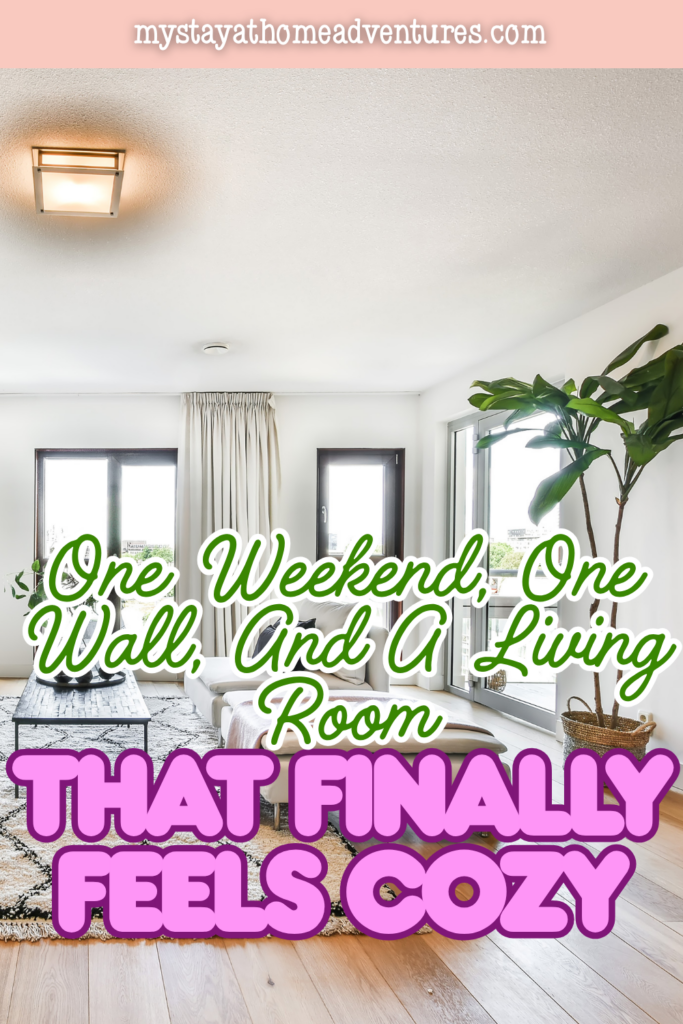
That's not what changed our living room. What worked was one wall, one weekend, and a decision to stop waiting until we could afford the “proper” renovation. The room had been sitting there half finished for three years.
Beige walls, functional furniture, zero personality. Every magazine and Instagram feed showed living rooms that looked curated and intentional. Ours looked like we'd given up halfway through unpacking.
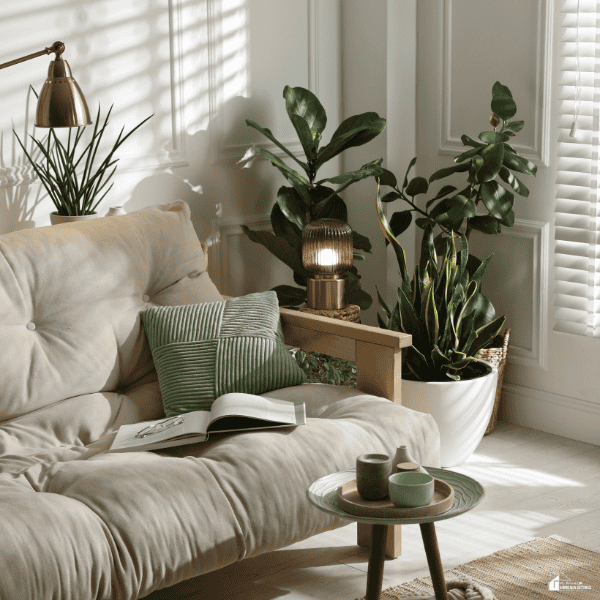
How Do You Even Start When Everything Feels Wrong?
You pick one wall.
Not the whole room. Not a furniture overhaul. One single wall that becomes the anchor everything else responds to.
I chose the wall behind our sofa. It's what you see when you walk in and what you look at most when you're actually sitting down. That wall was getting 90% of our visual attention anyway, so making it interesting would do most of the heavy lifting.
The solution I landed on was decorative PVC wall panels. They're lightweight, they install without professional help, and they cost a fraction of what timber panelling or custom joinery would run. The texture adds dimension that flat paint never delivers, and the whole thing took about six hours spread across a weekend.
What Actually Happens When You Install Wall Panels Yourself?
First, you measure everything twice because cutting panels short is expensive.
Then you realize the instructions aren't complicated, just specific. Most panels designed for DIY installation use adhesive backing or simple mounting systems. You don't need power tools. A craft knife, a level, and patience get you through it.
The mess is minimal compared to painting. No fumes, no protective sheeting, no waiting for coats to dry. You work in sections, and if you mess up, you can usually peel it off and reposition before the adhesive fully sets.
I worked while my kids were home. They asked questions, watched for a bit, then got bored and wandered off. It wasn't disruptive enough to require sending everyone out of the house for the day.
Does One Wall Really Change How a Room Feels?
Yes, because it gives the space a focal point it didn't have before.
Rooms without focal points feel unfinished. Your eye moves around looking for somewhere to land and finding nothing. Once you establish that anchor, everything else falls into place around it.
Our living room went from “fine I guess” to somewhere I actively wanted to spend time. Friends started commenting on it within five minutes of walking in. Not because it looked expensive, but because it finally looked intentional.
The feature wall created a foundation, but it needed a few small finishing touches to feel complete. I added some carefully chosen household ornaments to the shelf beside the new wall, things that echoed the colours and textures I'd introduced.
A ceramic piece here, a wooden bowl there, nothing that cost more than a tenner individually. These small additions created a visual connection between the feature wall and the rest of the room, making the whole space feel thought through rather than accidentally assembled.
It's the difference between a room that has one nice wall and a room that actually works together.
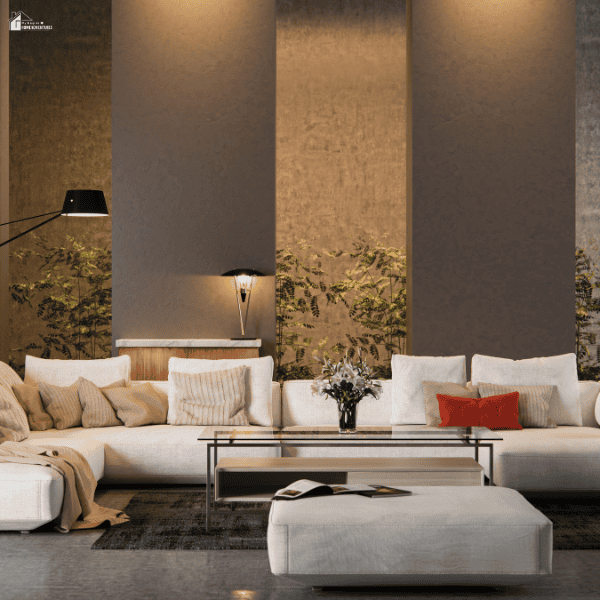
How Do You Make It Look Cohesive Instead of Random?
Lighting matters more than I expected.
We'd been using one overhead light that flattened everything. Adding a floor lamp and a small table lamp changed how the textured wall looked entirely. Light hits the panels from different angles and creates shadows that emphasize depth.
I also swapped out two cushions and added a throw blanket in colours that tied into the wall. That cost maybe £35 and made the whole scheme feel coordinated instead of like I'd just slapped panels up and called it done.
The trick is working with what you already have. I didn't replace the sofa or the rug or the curtains. I just added elements that helped the new wall feel like it belonged there all along.
Where Should You Spend Money and Where Should You Save?
Spend on the wall treatment itself.
Quality panels that actually look like what they're imitating are worth the extra £20 over the cheapest option. You'll see that wall every day for years. Saving £20 now and regretting it every time you walk into the room is false economy.
Save on accessories. Budget stores carry perfectly good cushions, throws, and small decorative items. Nobody's inspecting the label on your throw pillow. If it looks right and feels decent, it's fine.
The total cost for the whole project came in around £220. That's panels, a few new accessories, and the extra lighting. For context, that's less than one month of our grocery budget. It's not nothing, but it's achievable without financing or waiting years to save up.
FAQ
How long do wall panels actually last?
Years, if installed properly. They're not a temporary solution. Quality PVC panels resist moisture, don't warp, and clean easily with a damp cloth.
Can I do this in a rental?
Depends on your landlord and the installation method. Adhesive panels may leave residue when removed, so check your lease first. Some renters use removable mounting strips instead, which come away cleanly.
If you're planning to stay for a few years and your landlord is reasonable, it's worth asking. The worst they can say is no, and then you've lost nothing but five minutes writing an email.
What if I pick the wrong style and hate it?
Start with samples if the supplier offers them. Most online retailers sell single panels so you can test the look before committing to enough for a full wall. Stick it up temporarily, live with it for a few days, see how you feel. If it's not working, you're out £10 instead of £180.
Looking Back
Three months in, I'm still glad we did this. The living room finally feels like a room we chose instead of one we just ended up with. That shift matters more than I expected, especially in a house where most rooms still need work, and the budget doesn't stretch to doing everything at once.
One finished space is better than five half-finished ones.