Water Damage vs. Moisture Problems: What’s the Difference?
This post may contain affiliate links which might earn us money. Please read my Disclosure and Privacy policies here
Some water problems are loud. You see them right away and start reacting right away. Others are easier to live with for a bit. A basement that smells musty. Paint is bubbling in one corner. A damp patch that never feels urgent enough until it’s been there far too long.
One usually shows up fast and forces your attention. The other is easier to live with for a while, which is exactly why it causes trouble. Water damage and moisture problems can both leave a mess behind, but they build differently, and they don’t call for the same response.
Get that part wrong, and it’s easy to spend money fixing the symptom while the real problem keeps going.
The Core Difference at a Glance
Water damage usually has a starting point you can trace. A pipe bursts. An appliance hose fails. Sometimes a storm pushes water in through the roof, or a backup leaves water where it absolutely should not be. Floors warp. Drywall gets soaked. Water pools where it shouldn't.It's messy, visible, and time-sensitive.
Moisture problems behave differently. They're the kind that settle in quietly – too much humidity, condensation that keeps coming back, weak ventilation, a small leak that never dries all the way.
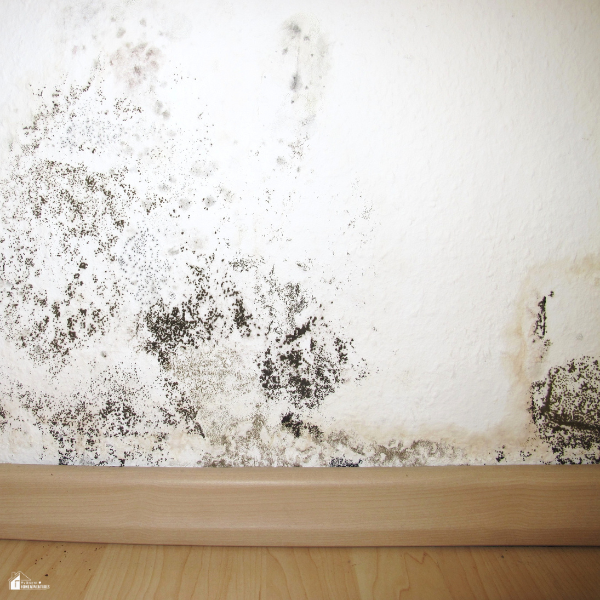
You're less likely to find a big, obvious mess. It's more often a stale smell, paint starting to bubble, a soft area near the baseboard, or that damp feeling in one part of the house that keeps showing up.
Both can turn into mold or bigger structural issues. The difference is mostly in how they unfold and how people usually notice them.
| Factor | Water Damage | Moisture Problems |
| Cause | Sudden events (burst pipe, flood) | Ongoing conditions (condensation, humidity) |
| Speed of Onset | Immediate | Gradual (weeks to months) |
| Visibility | Obvious and visible | Often hidden |
| Typical Response | Emergency remediation | Long-term environmental control |
| Insurance Likelihood | Often covered | Rarely covered |
What Water Damage Looks Like and Why It's Urgent
Water damage doesn’t always begin with standing water everywhere. Sometimes it’s a washing machine hose that lets go while the house is empty. Sometimes a toilet overflows upstairs, or rain slips in through the roof during a storm.
However it starts, once water gets into materials that are supposed to stay dry, things can deteriorate fast.
The signs are usually hard to miss. Stained ceilings. Wet drywall. Buckled flooring. Warped wood. Swollen baseboards. Standing water. And once those show up, the situation can get worse quickly.
Drywall breaks down quickly. Wood swells. Flooring separates. Subfloors can weaken. Then mold joins the party if anything stays damp too long.
That’s why bigger incidents usually need more than towels and fans. Once water gets into walls, floors, or more than one room, drying it out properly usually takes more than a few fans — it often requires specialized equipment and a thorough check to catch moisture that’s still trapped out of sight.
That’s where Patriot Restoration water damage restoration comes in.
If the damage came from something sudden, like a burst pipe or appliance failure, it’s also smart to check insurance early. A lot of homeowners wait too long to document what happened. Anyone dealing with a home after a flood is usually better off taking photos, making notes, and starting that process right away.
How Moisture Problems Build Over Time
Moisture problems are different because they don't usually force your attention right away. They just hang around in the background.
Maybe the bathroom never quite dries out. Or the basement always feels a little damp in summer. Maybe there's a slow leak behind a wall that nobody notices because it's not dramatic enough to show up on day one.
That's how these problems get traction, not through one big event, but through constant low-level exposure.
The signs can be easy to dismiss if you're not looking for them. A musty smell in the hallway. Condensation on windows that seems “normal.” Paint peeling near the ceiling. White chalky residue on the basement walls.
Mildew that keeps coming back even after you wipe it down. None of that feels urgent in the moment, which is exactly why moisture problems get to stick around so long.
Basements and crawl spaces are where these problems tend to settle in first. They’re close to the ground, they stay cooler, and airflow is usually not great. So once dampness gets into those spaces, it tends to hang around.
Over time, that can wear on framing, insulation, and even the way the whole house feels. It can also affect indoor air quality, though a lot of people don’t connect the dots until the problem has been there for a while.
The EPA’s brief guide to mold, moisture, and your home is helpful because it shows how easily a lingering moisture issue can turn into a larger mold problem.
And once mold does take hold, it tends to be stubborn. Anyone already dealing with mold remediation in homes knows it's rarely just a matter of spraying something and moving on.
The other headache is financial. Insurance usually treats moisture damage as a maintenance issue, not a sudden accident, so the cost often lands on the homeowner.

Spotting the Problem: DIY Checks vs. Professional Inspection
Knowing the difference is one thing. Catching the issue before it gets expensive is another.
Some warning signs are easy enough to look for on your own. Others sit behind walls, under flooring, or inside materials that can look perfectly fine from the outside.
What You Can Check Yourself
A basic walk-through can tell you a lot. Look for stains, bubbling paint, warped trim, soft spots, or discoloration on ceilings and walls. In basements, check for that white powdery residue on concrete or masonry. It's often a clue that moisture has been moving through the material.
Then there's smell. If part of the house has that stale, damp, slightly earthy odor that never really goes away, pay attention to it. Homes usually tell on themselves before the source becomes obvious.
A hygrometer can help too. They're inexpensive, and they'll show whether indoor humidity is staying in a reasonable range. Once levels stay high for long stretches, moisture problems get a lot easier to sustain.
When to Call a Professional
There’s a point where looking around isn’t enough.
If mold keeps spreading, stains come back after you thought the issue was fixed, there’s a damp smell you can’t trace, or parts of the foundation area feel soft or look off, it’s probably time to bring in someone who does this for a living.
Professionals use moisture meters and thermal imaging to find dampness hiding behind walls or under floors — the kind of thing you’re unlikely to catch on your own.
It can feel like an annoying extra cost in the moment. But it’s usually a lot cheaper than guessing wrong, tearing into the wrong area, and still not getting to the actual source.
Preventing Each Problem Before It Starts
These two issues behave differently, so prevention has to be different too.
For water damage, the goal is to stay ahead of sudden failures:
- Check appliance hoses and plumbing connections every so often
- Keep the roof and gutters in good shape
- Use leak detectors near water heaters, sinks, and laundry areas
- Know exactly where the main water shutoff is
- Service the water heater before small issues turn into bigger ones
For moisture problems, the goal is control:
- Run a dehumidifier in damp areas during humid months
- Make sure bathrooms and kitchens vent properly
- Keep HVAC systems maintained
- Slope landscaping away from the house
- Seal foundation cracks before they become entry points
The common thread is attention. Most of these issues give some kind of warning before they get expensive. The trouble is that homeowners are busy, and subtle signs are easy to shrug off.
Knowing the Difference Shapes Your Next Step
Water damage and moisture problems can end up causing some of the same headaches, but they're not the same situation, and they shouldn't be treated like they are. One usually calls for fast cleanup and drying. The other usually calls for patience, detective work, and fixing the conditions that keep feeding it.
That difference shapes the whole next move — how fast you need to act, how much you may end up spending, whether insurance is likely to help, and what kind of fix actually makes sense. Catch it early, and you’ve got a much better chance of protecting the house, the air you’re breathing, and the money you’d rather not spend.