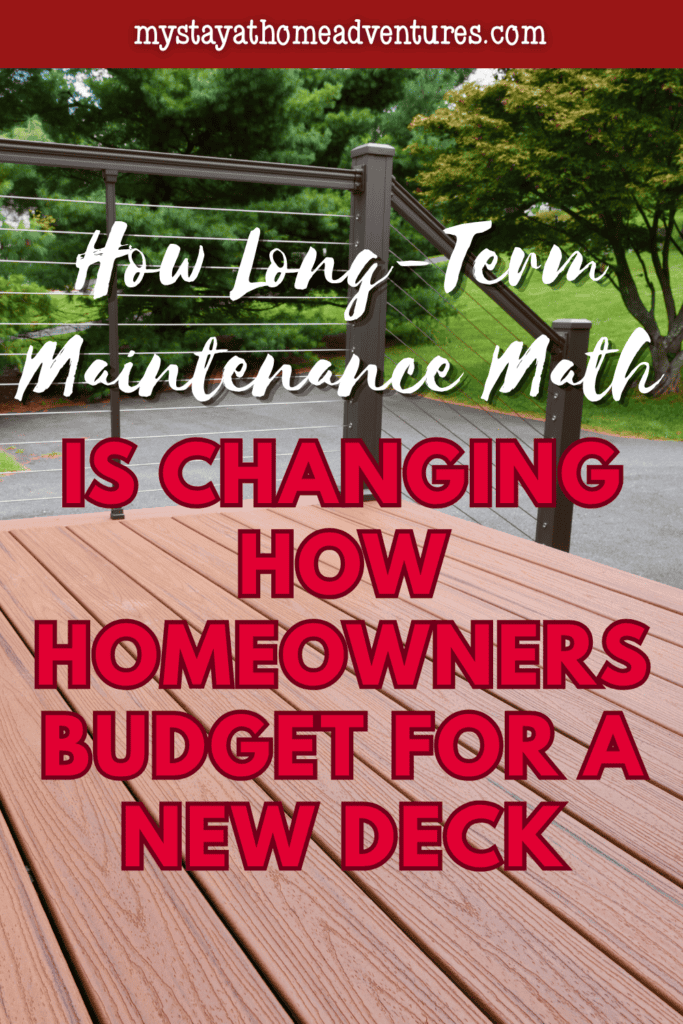
How Long-Term Maintenance Math Is Changing How Homeowners Budget For a New Deck
This post may contain affiliate links which might earn us money. Please read my Disclosure and Privacy policies here
Rising home addition costs have families looking to their backyards, weighing upfront lumber prices against the multi-decade savings of composite decking. Smart budgeting means looking past day-one stickers to see how upkeep shapes your real return over time.
Building an extra room inside your house costs a fortune right now, so you probably find yourself staring out the back window wondering how to get more breathing room. Moving your living space onto a deck gives you a bright, welcoming spot for family dinners and weekend hangs without tearing up your whole floor plan.
When you look past the first contractor quote, the real trick is figuring out what your deck costs across 15 or 20 years. Comparing upfront prices against recurring upkeep helps you pick a build that fits your wallet today and protects your budget down the road.
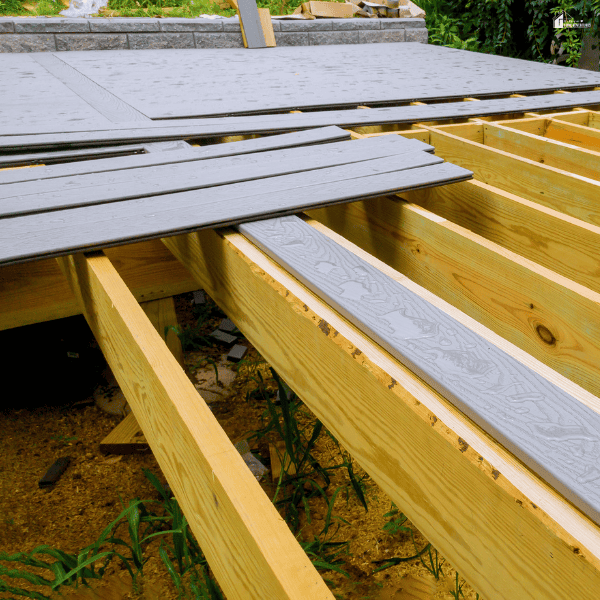
Comparing Warranties and Long-Term Builds
Longer warranty coverage often signals a material built to handle sun fade, stains, and structural wear over decades. When you compare composite warranties against wood builds, talking with the team at Platinum Decking can help you weigh composite options and resurfacing estimates for your yard.
Ask how long the manufacturer covers fading and staining, and find out what voids that coverage. Confirm whether the quote includes permits, demolition of an old structure, and post-footing depth for your local frost line.
How Do Upfront Costs Compare to Ongoing Upkeep?
A cheap price tag on day one can look tempting when you already juggle groceries, utility bills, and kid activities. Still, pressure-treated lumber demands steady care, and those recurring trips to the hardware store add up fast.
You buy stain, cleaner, and sealer every couple of years, and you spend weekends scrubbing boards instead of relaxing with your family.
Composite boards usually ask for more cash upfront, yet they cut down on the endless sanding and staining cycle. A report from Ipe Woods notes that composite decking still calls for regular cleaning and occasional board replacements. Even with those tasks, you skip the heavy refinishing routine that wears down softer wood over time.
Breaking Down Lumber vs. Composite Care
Every yard brings sun, rain, fallen leaves, and shifting temperatures that test your deck boards. Knowing what each material asks of you makes the 20-year math much easier to see.
- Schedule routine washes: Sweep debris and wash boards with soap and water each spring and fall so dirt never traps moisture.
- Inspect fasteners yearly: Check screws, ledger boards, and railing posts every spring to catch loose hardware early.
- Budget for replacements: Set aside a small repair fund each year for a cracked board or weathered step.
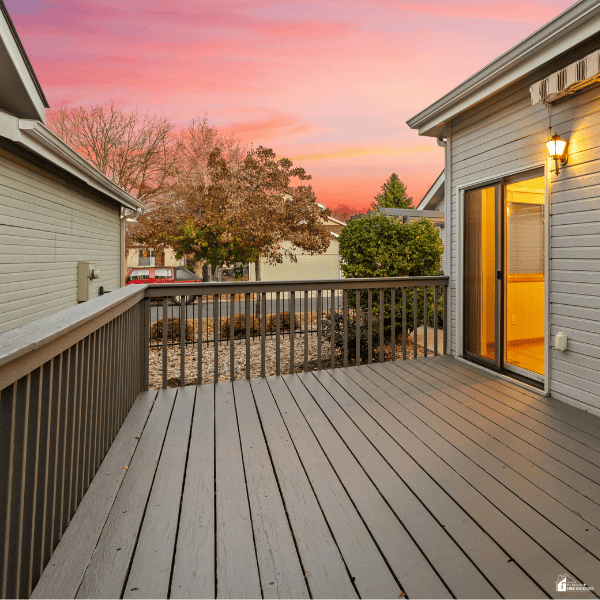
What Does a Great Deck Add to Space and Value?
A well-planned deck turns an empty patch of grass into an extra living room, dining nook, or play zone for your household. You gain a spot where kids can spread out art projects while you cook dinner outside, and neighbors can drop by without tracking mud through your hallway.
Resale value matters too, especially if you might sell your house in the next 5 to 10 years. Data from Mr. Honey Do shows that replacing a deck in 2026 commonly runs from $4,000 to $18,000, with many 300 to 400 square foot surfaces landing near $9,000 to $12,000.
Matching your deck size and finish to your neighborhood helps you get strong daily use without overbuilding for the block.
Designing for Daily Family Life
Think about how your household actually uses the yard before you pick a layout. Wide stairs make carrying coolers and laundry baskets much easier, and built-in benches give extra seating without crowding the walkway.
How Can You Phase Backyard Upgrades Without Overspending?
You do not have to build a massive multi-level deck with an outdoor kitchen all in one spring. Breaking the project into clear phases lets you pay cash as you go and keep your emergency savings intact.
Start with a solid frame, safe stairs, and a clean main platform that gives your family immediate space to gather. Later on, you can add a privacy screen, upgrade lighting, or expand a seating area once your budget opens up.
When you add up lumber, stain, weekends of labor, and future repairs, the cheapest sticker price rarely tells the whole story. Mapping out your 20-year maintenance math lets you build a backyard space that fits your budget today and keeps paying you back in comfort and value for years to come.