7 Practical Gifts Kids Won’t Stop Using
This post may contain affiliate links which might earn us money. Please read my Disclosure and Privacy policies here
The birthday gifts children actually keep using share three qualities: they give a child something to do, something to revisit, or they make that specific child feel genuinely seen.
Craft kits that produce a finished object, outdoor equipment with no setup barrier, books that immediately demand a sequel, personalized baskets, subscriptions, skill-based experiences, and family games all clear at least one of those bars consistently.
Toy-aisle impulse buys rarely clear any of them, which is why so many end up in a corner by mid-afternoon on the birthday itself.
Most of us have felt that particular financial sting. You spend real money, watch the excitement at the unwrapping, and then realize two hours later that the plastic toy is already abandoned. The disappointment is incredibly frustrating for anyone trying to stick to a strict household budget.
Gifts children return to follow a predictable pattern rooted in hands-on activity or deep personalization. Choosing a highly customized option like thoughtful birthday gift baskets from It's Only Natural Gifts ensures the recipient feels specifically seen. Here are seven distinct categories worth knowing before you buy.
1. A Craft Kit That Produces Something Tangible
The craft kits that convert into sustained engagement allow a child to see clear progress and reach a satisfying finish point entirely on their own. The physical format matters heavily, since a generic box of supplies loses a child's interest rapidly.
Federal surveys show that 75 percent of children participate in arts and crafts with their family, up from previous years, so providing a defined project with all included materials guarantees active involvement.
The category safely delivers long-term value when the finished object doubles as a daily toy. The Woobles' amigurumi kids crochet kit is built around exactly that principle for complete beginners.
A child with zero crochet experience can go from the first stitch to a finished character in a single sitting. The kits arrive with the hardest starting step already completed, helping young crafters avoid early frustration.
The included yarn is engineered specifically to make individual stitches easy to see and count, while step-by-step video tutorials walk through every stage without requiring an adult in the room.
Characters like Fred the Dinosaur give the finished object immediate personality, meaning the child holds a figure they made themselves rather than a generic abstract craft. This kit runs around $30, sitting firmly under the price of plastic toys that serve no educational purpose.
| Key Insight: The transition from craft project to personal toy is what extends engagement. The child isn't holding a generic result; they're holding a character they made themselves, which they can name and play with daily. |
2. Outdoor Play Equipment They'll Use Every Single Day
Outdoor play equipment earns its upfront cost through sheer daily repetition. A quality jump rope gets used every morning the weather cooperates, continuing across months rather than a single afternoon.
The same logic applies to a hula hoop, a badminton set, or a heavy-duty fabric tree swing that requires only a strong branch to provide years of sensory input. These open-ended tools require no batteries and no screens to facilitate heavy physical activity.
Many durable outdoor options cost less than a standard board game but outlast them by several years. A wooden balance board bought at age five easily survives fully intact until age nine. This equipment lives completely outside the indoor toy pile, making it a brilliant choice for parents trying to reduce household clutter.
3. A Book That's Part of a Series
A single great book is a good gift, but the first book in a series creates immediate demand for the next installment. The child finishes the story and already knows what they want to read tomorrow morning.
One purchase generates a reading appetite that sustains a child through months of free library trips. Data from major health and education sources indicates that approximately 52% of young children are read to by a parent every single day, and buying into a series taps directly into that established daily habit.
The key practical step involves matching the first title to the child's exact reading level. A parent or teacher provides the precise intelligence needed for making this choice correctly.
Audiobook versions of the same titles work brilliantly for younger children or reluctant readers who struggle with standard print. Paperbacks require no setup, fit in any backpack, and travel easily, making them logistically effortless to wrap and transport.
4. A Gift Basket Built Around What They Actually Love
The gift basket format solves the common headache of shopping for a child who seems to own everything. An intentional collection assembled around specific favorite snacks communicates that you paid close attention to their particular tastes.
Children remember that targeted, individualised feeling far more vividly than the standard contents of a cardboard gift bag. This strategy only succeeds when every item reflects the recipient rather than a generic, pre-set grocery assortment.
Building a collection around dietary restrictions makes the offering highly practical instead of stressful. Opting for a customized basket lets you select specific healthy foods, gluten-free snacks, or vegan treats that the child can actually consume safely.
There is zero need for parents to check labels after the fact or quietly swap items out of sight. Packaging these favorite snacks in a personalized canvas tote bag turns the wrapping itself into a sturdy library or swimming bag.
Adding small, tactile items like custom stickers, themed pencils, or a high-quality sketchbook tailored perfectly to their current art style elevates the entire package. For shoppers on a tight timeline, specialty basket companies frequently provide rapid daily shipping options.
Fast delivery removes the last-minute panic that pushes people toward thoughtless impulse purchases at the local big-box store. A purposefully assembled basket lands on the doorstep all at once and feels substantial to unwrap.
| Key Insight: The core decision isn't how much to spend, but which format earns genuine engagement. Opt for gifts that give a child something to do, to revisit, or make them feel genuinely seen; the price tag does far less work than the format. |
5. A Subscription to Something They Love
A subscription serves as a present the child repeatedly associates with the giver. That ongoing connection stays alive for months after the party decorations come down.
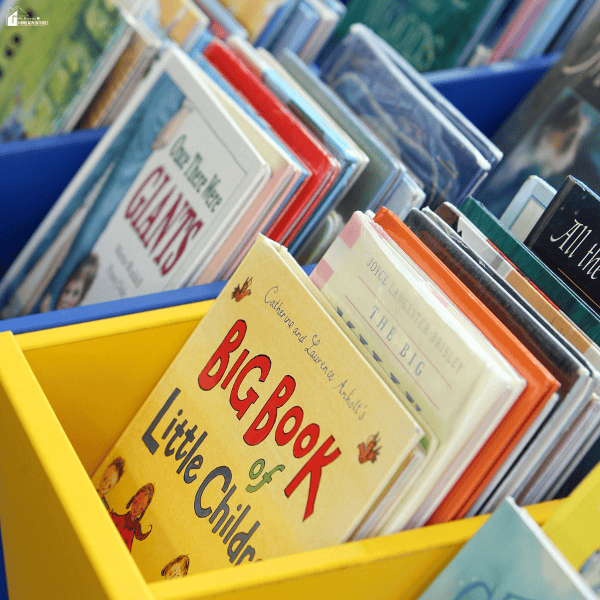
Quality children's magazines arrive monthly and often cost less per issue than a standard cup of coffee. A streaming service the family lacks, a monthly science kit, or a book club delivery all provide stacked value across the full term.
The strongest ongoing deliveries map directly to the child's immediate, current obsession. A three-month term in the right subject area hits the perfect sweet spot between low cost and high impact.
It lasts long enough to feel significant but stops before the child inevitably shifts their interests toward a new hobby. Families with limited space appreciate temporary kits because the materials are fully consumed during the building process, leaving zero plastic waste behind.
6. A Skill-Based Experience
A skill-based experience turns a standard present into a lasting memory and a new physical ability. A cooking class, a pottery workshop, or a beginner swimming lesson gives the child a specific story to tell their friends on Monday morning.
The exact activity needs to align with an interest they have previously mentioned to ensure eager participation. Asking a parent what the child currently hyper-focuses on takes thirty seconds and guarantees a successful match.
Introductory sessions at local community centres frequently cost less than a mid-range toy, keeping budgets entirely manageable. The perceived value lands much higher because stepping into a real studio or commercial kitchen feels unique to young kids.
The child references the class, asks to return the following month, and potentially discovers a technical hobby that lasts into adulthood.
7. A Family Game That Extends the Celebration
A robust family game creates a specific social dynamic that no other physical gift replicates on a Tuesday night. The birthday child owns the board, teaches the rules to older siblings, and serves as the resident expert during play.
That expert status extends the special treatment well past the original party date. Every game night for the subsequent few months acts as a miniature continuation of their birthday celebration.
The qualities that make a tabletop title worth buying include a low barrier to entry and heavy replay value. Cooperative formats where everyone works together outlast rules-heavy competitive versions that frustrate younger participants.
Educational tracking shows that 74 percent of children play board games or do puzzles with their parents regularly. Picking up a highly rated card game for under $30 turns this purchase into a high-return investment for the whole household.
The Bottom Line
The practical birthday purchases that hold attention are the tools that provide hands-on activity or deep personalization. A beginner crochet project with a finished animal character at the end delivers mastery alongside a durable daily toy.
A customized basket built precisely around a child's favorite organic snacks proves they are genuinely seen and understood. An outdoor balance board, a fresh series of paperbacks, or a local pottery class requires minimal spending.