How to Spot HVAC Problems Before They Become Major Repairs
This post may contain affiliate links which might earn us money. Please read my Disclosure and Privacy policies here
Heating and cooling systems have to work hard year-round, and eventually they begin to wear down. The difference between a minor fix and a costly breakdown often comes down to how quickly homeowners recognize the warning signs and address the underlying issues causing them.
Learning to spot HVAC trouble early can save you hundreds – or even thousands – of dollars and prevent the misery of losing heat in January or air conditioning in the middle of a summer heat wave.
Pay Attention to Your Energy Bills
One of the earliest indicators of HVAC trouble is a sudden spike in energy costs. If your energy bills are rising but your usage habits haven’t changed, this can be a sign that the system is working harder than it should to maintain the same level of comfort.
This extra effort usually means something is wrong – whether a dirty air filter, a refrigerant leak, a failing compressor, or leaking ductwork. Track your monthly bills and compare them year to year. If you notice a 15 to 20 percent increase without an obvious explanation, it’s worth investigating sooner rather than later.
Warning Signs You Can See and Feel
Your senses are actually pretty powerful tools for monitoring the health of your HVAC system. Pay attention to:
- Uneven temperatures throughout your home: Hot and cold spots often point to duct leaks, blocked vents, or a system that’s the wrong size for the space.
- Weak or inconsistent airflow: If the air coming from your vents feels insubstantial, it could indicate a clogged filter, a failing blower motor, or problems with the ductwork.
- Excess indoor humidity: HVAC systems play a major role in controlling moisture levels, so if your home feels muggy despite the system running, it may not be effectively removing humidity.
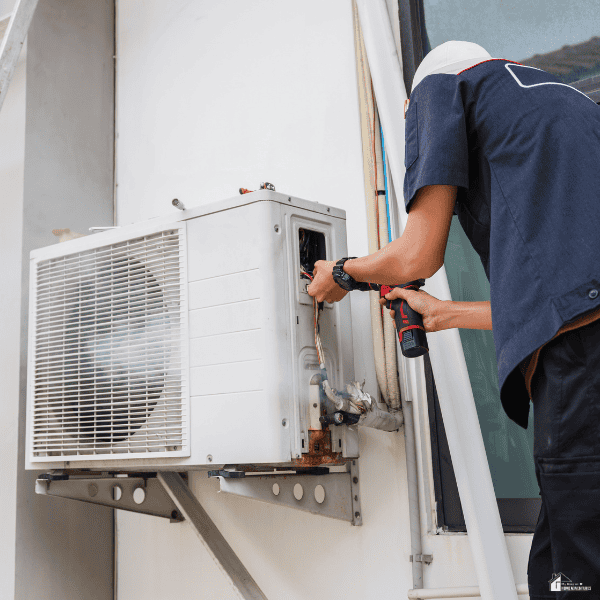
- Ice forming on the unit: Visible ice on the outdoor condenser or indoor evaporator coil is never normal and usually signals either restricted airflow or a refrigerant issue.
- Visible damage or rust: Corrosion around connections, cracks in the heat exchanger, or deteriorating insulation on refrigerant lines are all signs that maintenance is overdue.
If homeowners notice any of these red flags, they should call an HVAC professional as soon as possible. Delaying maintenance or repairs can lead to more extensive and expensive fixes if issues are allowed to progress.
Don’t Ignore Odors
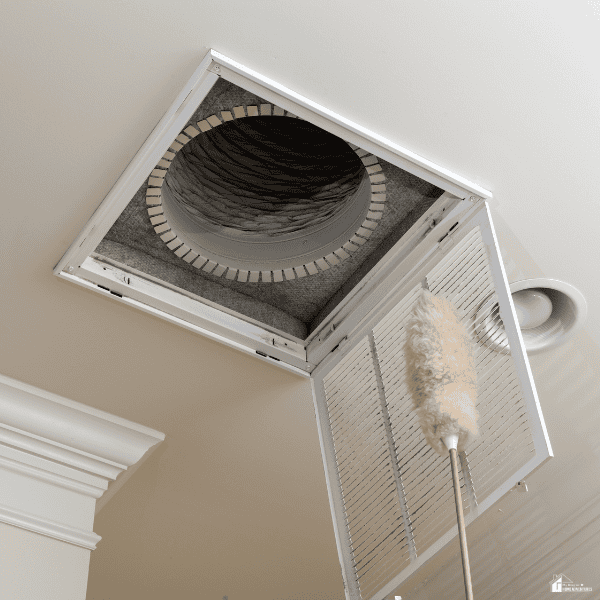
Smells coming from vents also deserve immediate attention. A musty odor suggests mold or mildew growth somewhere in the system, while a burning smell could mean an electrical component is overheating or dust has accumulated on heating elements.
A sulfur or rotten egg smell near a gas furnace may indicate a gas leak and necessitates that you leave the home and call for help right away.
The Importance of Consistent Maintenance
Many HVAC problems that turn into major repairs could have been caught (or prevented entirely) during routine maintenance visits. Most manufacturers recommend professional service at least once a year, ideally in the spring. A qualified technician will usually:
- Check refrigerant levels
- Clean coils and other components
- Inspect electrical connections
- Test safety controls
- Measure airflow
These inspections often allow them to identify issues long before they become noticeable to a homeowner. Between professional visits, there are also things homeowners can do to keep their systems working optimally:
- Change air filters every one to three months
- Keep the area around the outdoor unit clear of debris
- Ensure supply and return vents aren’t blocked by furniture or curtains
When Something Seems Off, Act Early
The worst thing homeowners can do when they notice a potential HVAC problem is to wait and hope it goes away. Most issues only get worse with time, and a system that is struggling will place added stress on other components, eventually turning a simple fix into a full system failure.
If you observe any unfamiliar sounds, frequent on-and-off cycling, or your home simply isn’t being kept at a comfortable temperature, it’s time to have it looked at by a professional. A trusted HVAC company can diagnose the issue quickly and help you weigh your options before a small problem becomes a major expense.