How to Tell Whether Your Gutters Need Repairing or Replacing
This post may contain affiliate links which might earn us money. Please read my Disclosure and Privacy policies here
Gutters take a beating year after year. Heavy rain, ice, falling debris, wind, and UV exposure gradually wear down gutters. As a result, they become less effective over time. Many homeowners patch visible damage, but repairs cannot solve every problem.
In some cases, replacement costs less than repeated repairs. Knowing the difference can save time, money, and stress.
Signs That a Repair Will Do the Job
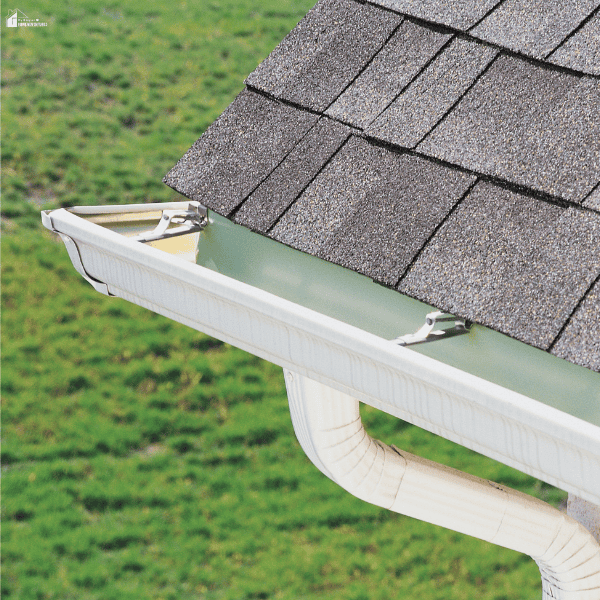
Every gutter problem doesn’t signal the end of the system’s life – many issues are isolated and can be addressed without replacing everything. A gutter repair is usually sufficient when:
- A single section has pulled away from the fascia but the rest of the gutters are secure
- There are only one or two small holes or cracks that haven’t spread
- A downspout has become clogged, disconnected, or is directing water to the wrong area
- A bracket or hanger is broken but the gutter itself is in good condition
- There is minor leaking at a joint or seam that can be resealed
Because these are localized problems, they can typically be easily fixed without further issue. As long as the gutter material itself is still structurally sound and the damage hasn’t spread across the whole system, repairs make sense.
Warning Signs That Point Toward Replacement
There are times when repairs are just a temporary and costly fix that only prolong the inevitable. If any of the following are present, replacement is likely the more practical choice:
- Widespread Rust or Corrosion: This is one of the clearest indicators because when rust appears in multiple spots along a metal gutter, it means the protective coating has failed and the material is deteriorating from within. Patching one area won’t stop the spread.
- Sagging Gutters: Gutters that are visibly sagging or pulling away from the house along several sections indicate that the system is no longer structurally sound. This is often due to a combination of age, water weight, and failed fasteners, and no amount of rehanging brackets will restore the original stability.
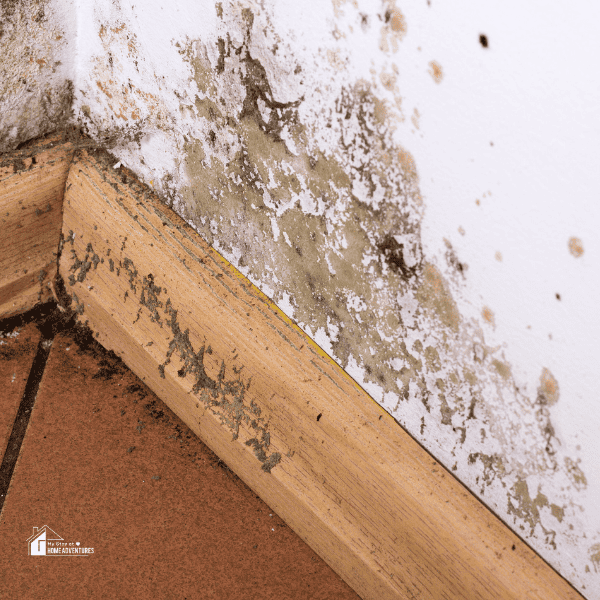
- Peeling Paint or Water Stains: When these appear on the exterior siding directly beneath gutters, this is typically a sign that water has been overflowing or leaking for an extended period of time. If your gutters fail to channel water into the downspouts, the problem may be more serious. When it affects multiple sections, replacement usually fixes the underlying issue better than repeated repairs.
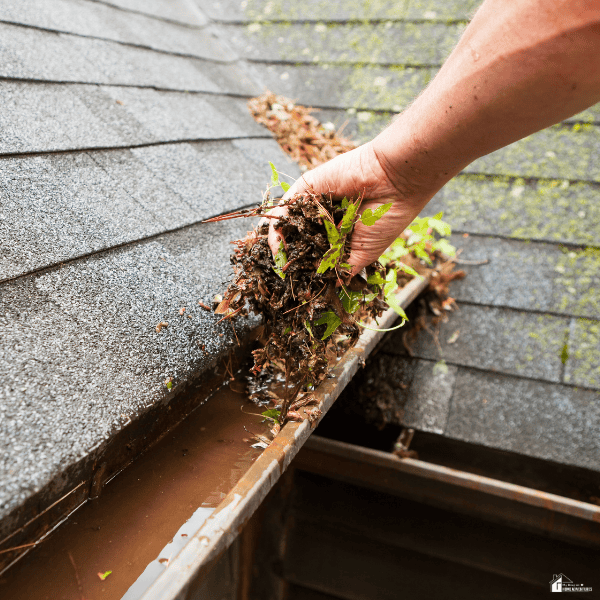
- Frequent Clogging: If gutters are clear of debris and aren’t particularly old, this can point to improper sizing or pitch, and repairs can’t fix a gutter that was never right for a home in the first place.
Age Is a Major Factor
Most standard aluminum gutters last between 20 to 30 years with proper maintenance. Galvanized steel ones have a similar range, while copper gutters can last significantly longer. If your gutter system is nearing or has passed its expected lifespan, replacing it is often the better choice. This is true even when the damage appears minor enough for a repair.
How a Professional Assessment Can Help
Evaluating a gutter system from the ground is difficult. Even ladder inspections can miss hidden problems, such as an improper slope, rust, or fascia damage. A professional can identify the real issue and recommend whether your gutters need repair or replacement.
For homeowners weighing their options, consulting a qualified gutter professional is often the best way to get a clear, cost-effective answer.