Simple Ways to Improve Comfort and Function in Your Home Environment
This post may contain affiliate links which might earn us money. Please read my Disclosure and Privacy policies here
Creating a home that feels comfortable and works efficiently is not always about large-scale renovations. In many cases, it comes down to how well everyday systems, layouts, and habits support daily routines. A space can look visually appealing but still feel difficult to live in if airflow is inconsistent, storage is lacking, or the layout creates unnecessary friction. As expectations around home environments continue to rise, more homeowners are focusing on practical improvements that enhance both comfort and usability.
The most effective changes are often those that simplify how a home functions over time. By paying attention to climate control, organization, and how spaces are used, it becomes easier to create an environment that supports everyday living without requiring constant effort. These improvements not only enhance comfort but also contribute to long-term efficiency and ease of maintenance.
Climate Control Creates a Stable Living Environment
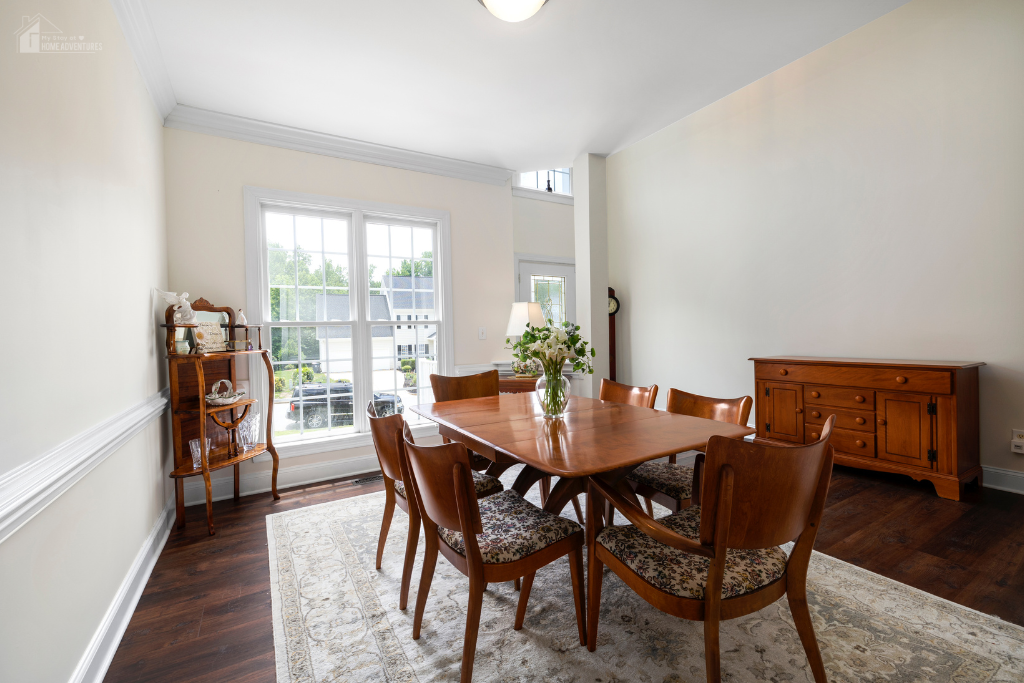
Indoor comfort is heavily influenced by how well a home maintains consistent temperature and airflow. Uneven heating or cooling can make certain areas uncomfortable, while poor ventilation can affect air quality and overall wellbeing. Reliable climate systems ensure that each room remains usable and comfortable throughout the day.
Service solutions like Pacific Aire reflect how properly maintained HVAC systems can improve both comfort and efficiency. By optimizing airflow and ensuring that systems operate effectively, homeowners can create a more stable indoor environment while also reducing unnecessary energy use.
Layout Decisions Shape Everyday Functionality
The way a home is arranged plays a significant role in how easy it is to navigate and maintain. Spaces that are designed with clear pathways and logical connections allow daily tasks to flow more naturally. Poor layouts, on the other hand, can create bottlenecks, clutter, and inefficiency.
Thoughtful layout adjustments, such as opening up high-traffic areas or creating defined zones for different activities, can make a noticeable difference. When spaces are aligned with how they are actually used, routines become smoother and less time-consuming.
Location Choices Influence Daily Convenience
Comfort extends beyond the walls of the home. The surrounding environment and access to essential services can significantly affect how functional a living situation feels. Proximity to work, shopping, and transportation reduces time spent commuting and makes daily life more manageable.
Platforms like One Place Locators highlight how selecting the right location can improve overall convenience. Choosing a living environment that aligns with lifestyle needs helps create a more balanced and efficient daily routine.
Storage Systems Keep Spaces Organized
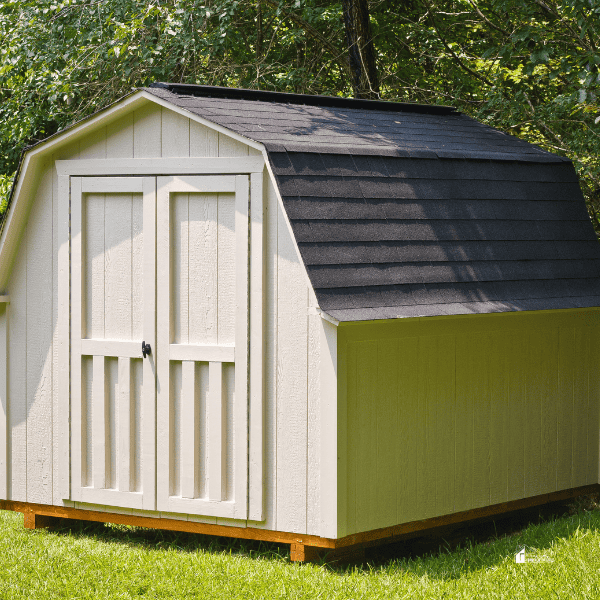
Organization is a key factor in maintaining both comfort and functionality. Without proper storage, items tend to accumulate in shared spaces, making it harder to keep the home clean and efficient. Well-designed storage systems ensure that everything has a place, reducing clutter and simplifying maintenance.
Solutions such as built-in shelving, multi-purpose furniture, and designated storage areas help maintain order over time. When spaces are organized effectively, it becomes easier to manage daily tasks and maintain a consistent level of comfort.
Lighting and Airflow Improve Overall Comfort
Environmental elements such as lighting and airflow have a direct impact on how a home feels. Natural light can make spaces feel larger and more inviting, while proper ventilation supports air quality and temperature balance.
According to the U.S. Department of Energy, improving airflow and energy efficiency is essential for maintaining a comfortable indoor environment. By optimizing these factors, homeowners can create spaces that feel more open, balanced, and easy to live in.
Small Upgrades Make a Big Difference
Not every improvement requires a major investment. Small upgrades, such as updating fixtures, improving insulation, or enhancing storage, can have a significant impact on both comfort and functionality. These changes are often easier to implement and can deliver immediate results.
Over time, incremental improvements add up, creating a home that feels more efficient and better suited to everyday needs. By focusing on practical enhancements, homeowners can achieve lasting benefits without major disruption.
Consistent Maintenance Supports Long-Term Comfort
Maintaining a comfortable home is an ongoing process that requires regular attention. Routine maintenance, combined with thoughtful organization, ensures that systems continue to perform well and that spaces remain functional.
By applying consistent care and making small adjustments as needed, homeowners can sustain a high level of comfort over time. This approach reduces the likelihood of unexpected issues and helps create a living environment that remains reliable and easy to manage.