How Exterior Upgrades Can Help You Keep A Cleaner Home
This post may contain affiliate links which might earn us money. Please read my Disclosure and Privacy policies here
Keeping a home clean often feels like an endless battle. Dirt, mud, water, and debris make their way inside daily, creating constant cleaning demands. Most homeowners respond with more frequent vacuuming, mopping, and scrubbing. In other words, they treat the symptoms rather than the source.
A more effective approach targets the problem at its origin. Strategic exterior upgrades can dramatically reduce what enters your home in the first place. Investments in mudroom improvements, walkway replacements, and drainage systems help create physical barriers.
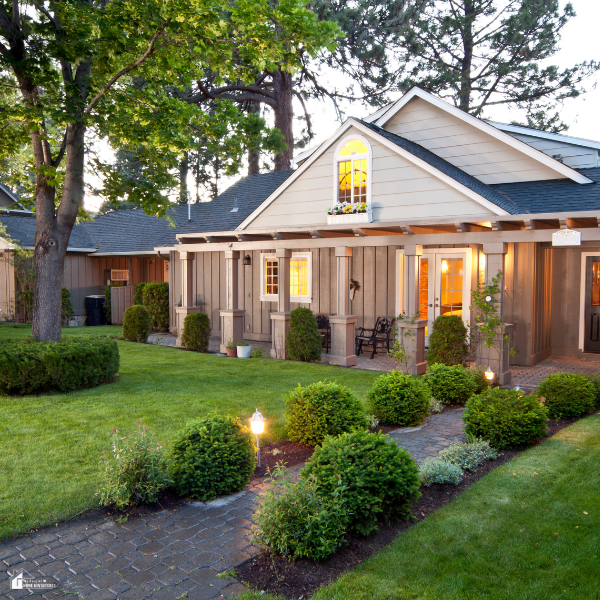
These upgrades intercept dirt and moisture before they cross your threshold.
The payoff extends beyond less cleaning time. A cleaner home means better indoor air quality and a healthier living environment for you and your family.
Mudroom Upgrades That Stop Dirt at the Door
A mudroom is a transitional space near your home's entrance designed to contain outdoor mess. This buffer zone sits between the outdoors and your main living areas. When designed properly, mudrooms trap dirt and moisture before either can spread through your home.
These combined upgrades transform your entryway into an effective dirt-stopping system:
- Place durable, weather-resistant mats both outside and inside each entry to trap soil, sand, and snow. Choose coarse-textured mats that scrape debris from footwear effectively. Shake out and clean mats regularly to maintain their trapping ability.
- Install porcelain or ceramic tile that resists water damage and won't warp or stain from wet boots. Textured tile surfaces provide slip resistance when wet, while sealed tile joints prevent moisture from penetrating into the subfloor. Tile cleans far easier than carpet or hardwood in high-traffic entry areas.
- Add a simple shoe rack or covered bench with storage to drastically reduce tracked dirt. Built-in benches allow comfortable shoe removal without tracking mud through the house.
- Install coat hooks and storage cubbies to keep wet outerwear contained in the mudroom rather than dripping throughout your home.
Walkway and Patio Improvements
The pathways leading to your home either contribute to indoor cleanliness or work against it. Well-maintained pathways keep dirt outside where it belongs, preventing it from ever reaching your doorstep and making its way into your living spaces.
Deteriorating walkways shed concrete particles and dirt that cling to shoes, while cracked or uneven pavement collects standing water that creates muddy conditions:
- Replace old walkways with new concrete, pavers, or stone to eliminate debris generation at the source. Paved high-traffic paths minimize mud tracking during wet weather, and materials like gravel, stone, or concrete perform far better than grass or dirt for frequently used routes. Permeable pavers allow water to drain through rather than pooling on the surface, while smooth, sealed concrete surfaces shed dirt more easily than rough, porous materials.
- Ensure walkways slope away from your home's foundation to prevent standing water from accumulating near entries. Flat walkways create muddy conditions that increase the amount of mess tracked indoors.
- Sweep patios and walkways regularly to prevent dirt buildup from becoming embedded in the surface. Extend walkways to cover the entire path from your driveway or street to your entrance, eliminating shortcuts across the lawn that create muddy footpaths.
- Place stepping stones strategically in garden areas to reduce soil tracking during landscaping work. Power wash walkways seasonally to remove embedded grime that regular sweeping can't eliminate.
Gutter and Drainage Solutions
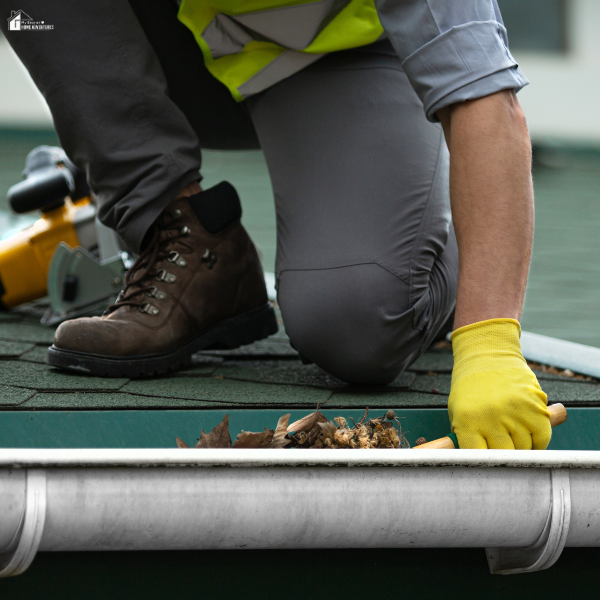
Water management around your home's perimeter directly impacts how much mud and moisture gets tracked inside. Clogged gutters cause water to overflow and splash mud onto siding, walkways, and entry areas, while water pouring near the foundation creates saturated soil zones that turn into dirty messes. Effective water management keeps the areas around your doors dry and clean:
- Keep gutters functioning properly so they channel roof runoff away from your house perimeter. Downspouts should discharge at least several feet from the foundation to prevent water from pooling near entries where it creates muddy conditions.
- Grade the ground around your foundation to slope down and away at 1/2 inch to 1 inch per linear foot. This proper slope drains surface water away from the structure instead of allowing it to saturate the soil near your home. Driveways, sidewalks, and patios should slope away from foundation walls at 1/4 inch per linear foot.
- Test underground drains with a hose to verify they're functioning properly. Non-working drains need repair or replacement with elbow discharge systems that direct water away from the house. Install gutter guards to reduce debris accumulation and minimize overflow events. Add downspout extensions during rainy seasons to prevent splashback onto lower walls near your entries.
Roofing's Role in a Cleaner Home
Your roof plays a crucial but often overlooked role in keeping your home's interior clean. A well-maintained roof is your home's first line of defense against the elements. When roofing systems fail or perform poorly, water finds its way where it shouldn't, creating conditions that multiply your cleaning workload:
- Work with a quality roofing company to prevent water intrusion issues from the start. A well-installed roof directs all rain into your gutter system rather than overshooting or dripping at the edges where it splashes mud onto walkways and entry areas.
- Adequate roof overhangs protect your siding and foundation area from direct rainfall. This prevents rain from splashing dirt onto lower walls near your entries, where it would get tracked inside on shoes and clothing.
- Address missing or damaged shingles promptly, as they allow water to penetrate into your home's interior. Water intrusion creates moisture problems that encourage mold growth and require extensive cleaning to remediate. What starts as a small roofing issue can quickly become a costly indoor air quality problem that affects your entire living space.
Conclusion
Exterior upgrades create systematic barriers that stop dirt and water before they enter your home. These strategic investments reduce your cleaning workload while protecting your home's structure and improving indoor air quality.
The result is a healthier living environment and more time for what matters beyond constant cleaning.
Author bio: Ricky Salyers is the founder of Lane's Contracting, a top-quality roofing, siding, and window replacement services company dedicated to providing reliable and professional solutions. Established in 2005, Lane’s Contracting serves the greater Raleigh and Fayetteville, NC areas.