A Practical Guide to Interior Property Styling for Modern Homes
This post may contain affiliate links which might earn us money. Please read my Disclosure and Privacy policies here
Interior property styling has become an essential part of presenting homes in today’s competitive real estate market. Whether you’re preparing to sell, rent, or simply refresh your space, styling focuses on making interiors visually appealing, functional, and emotionally engaging.
Unlike traditional interior design, which is highly personal and long-term, property styling is often more strategic—aimed at creating broad appeal and highlighting a property’s best features.
In this guide, we’ll explore what Interior Property Styling is, why it matters, and the key techniques that make a space stand out.

What Is Interior Property Styling?
Interior property styling is the process of arranging furniture, décor, and layout to enhance a property’s overall presentation. It can involve working with existing items or introducing new elements to create a cohesive, attractive look.
Unlike full-scale interior design, styling is often temporary or adaptable. It focuses on presentation rather than personalization, helping a space appeal to a wider audience—especially in real estate contexts.
Styling vs Interior Design
Understanding the distinction helps set expectations:
Interior Design
Interior design is long-term and tailored to individual preferences, lifestyle, and comfort. It involves detailed planning, customization, and permanent changes.
Property Styling
Property styling is more about visual impact. It creates a neutral yet inviting environment that allows people—especially buyers or renters—to imagine themselves in the space.
Why Interior Property Styling Matters
Styling isn’t just about aesthetics—it has practical and financial benefits.
1. Enhances First Impressions
First impressions play a major role in how people perceive a property. A well-styled home feels welcoming, clean, and move-in ready, which can immediately attract interest.
2. Increases Perceived Value
Professionally styled homes often appear more premium, which can influence how much buyers are willing to pay. In many cases, styling contributes to higher offers and better returns.
3. Helps Spaces Photograph Better
In a digital-first property market, online listings are crucial. Styled interiors tend to photograph more effectively, attracting more clicks and viewings.
4. Speeds Up the Selling Process
Well-presented properties often sell faster because they appeal to a broader audience and create emotional connections early.
Key Elements of Effective Property Styling
Interior property styling combines design principles with marketing strategy. Here are the essential elements to focus on:
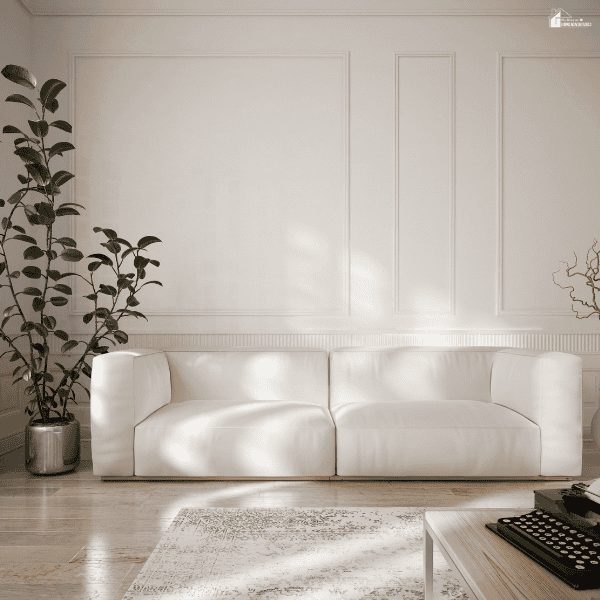
Decluttering and Simplifying
Remove Excess Items
Too many items can make a space feel cramped. Decluttering creates a sense of openness and allows key features to shine.
Depersonalize the Space
Removing personal photos and highly specific décor helps viewers imagine themselves living in the home rather than feeling like a guest.
Furniture Placement and Layout
Create Flow
Arrange furniture to highlight movement and functionality. Rooms should feel easy to navigate and purpose-driven.
Highlight Key Features
Position furniture to draw attention to focal points such as windows, natural light, or architectural details.
Colour and Lighting
Use Neutral Tones
Neutral colours create a calm, versatile backdrop that appeals to a wide audience.
Maximise Light
Natural and artificial lighting can transform a space, making it feel larger, brighter, and more inviting.
Accessories and Finishing Touches
Add Texture and Warmth
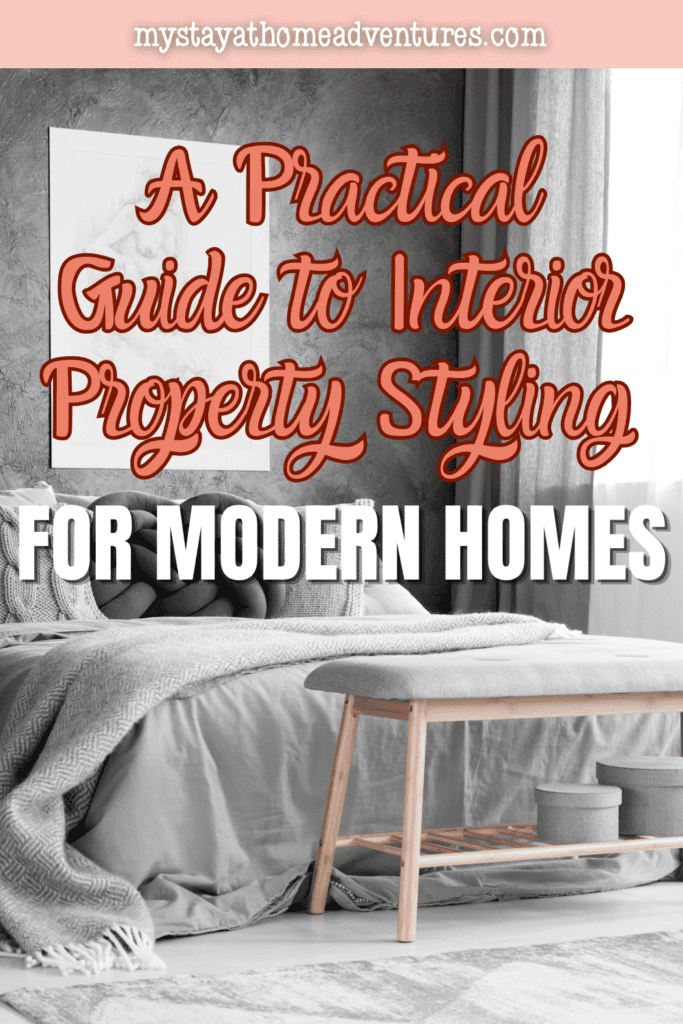
Soft furnishings like cushions, throws, and handwoven rugs can add depth without overwhelming the space.
Keep It Cohesive
Consistency in style, colour palette, and materials helps create a polished and professional look.
Popular Interior Property Styling Approaches
Different properties benefit from different styling approaches depending on the target audience.
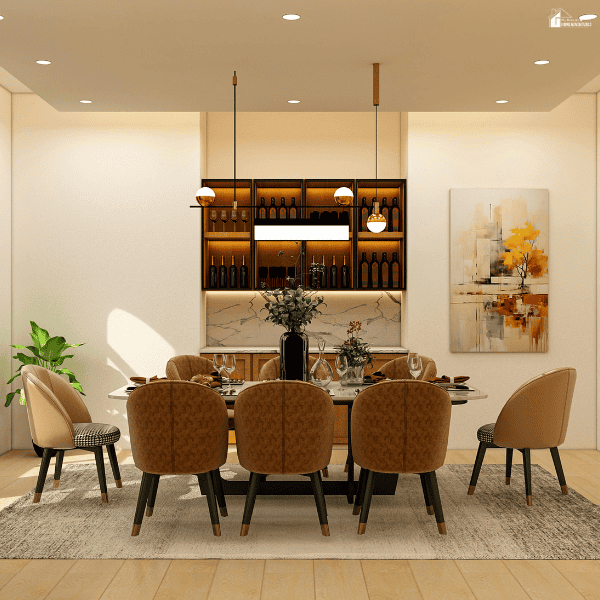
Minimalist Styling
Clean and Modern
Minimalist styling focuses on simplicity, neutral tones, and uncluttered spaces. It works well for contemporary homes and apartments.
Lifestyle Styling
Aspirational Living
This approach creates a lifestyle narrative—such as a cozy family home or a sleek urban retreat—helping viewers emotionally connect with the space.
Hybrid Styling
Mixing Existing and New Elements
Rather than replacing everything, hybrid styling uses a combination of existing furniture and carefully selected additions to elevate the overall look.
Common Mistakes to Avoid
Even small missteps can reduce the effectiveness of styling.
Overpersonalisation
Bold colours or unique décor choices may reflect personality but can limit broad appeal.
Overfurnishing
Too much furniture can make rooms feel smaller and less functional.
Ignoring Small Details
Minor issues like poor lighting, outdated fixtures, or lack of cleanliness can impact perception significantly.
Tips for Getting Started
If you’re new to interior property styling, start with these practical tips:
Start with Key Areas
Focus on high-impact spaces such as the living room, kitchen, and main bedroom.
Think Like a Buyer or Guest
Consider what would make the space appealing to someone seeing it for the first time.
Invest Where It Matters
Small updates—like lighting, soft furnishings, or fresh paint—can make a big difference without major expense.
Conclusion
Interior property styling is more than just decorating—it’s about presenting a space in its best possible light. By focusing on layout, colour, lighting, and simplicity, you can create interiors that feel inviting, functional, and visually appealing.
Whether you’re preparing a property for sale or simply looking to refresh your home, thoughtful styling can transform how a space is perceived. With the right approach, even subtle changes can have a meaningful impact—helping a property stand out and leave a lasting impression.