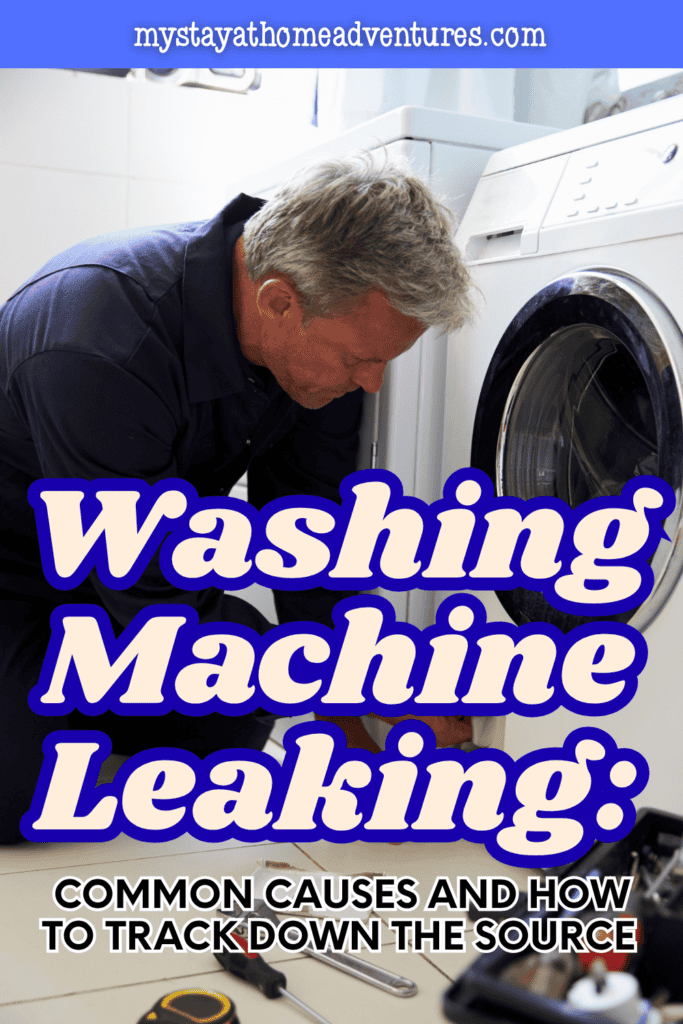
Washing Machine Leaking: Common Causes and How to Track Down the Source
This post may contain affiliate links which might earn us money. Please read my Disclosure and Privacy policies here
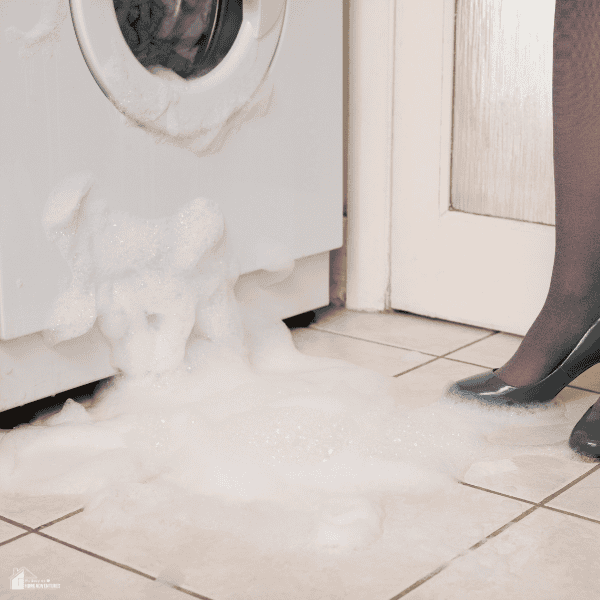
A washing machine leak has a way of making itself known at the worst possible moment — usually mid-cycle, when there is nothing to do but watch water spread across the laundry room floor.
The frustrating part is that leaks can originate from several completely different places on the machine, and the fix varies significantly depending on where the water is actually coming from.
Denver homeowners dealing with this should resist the urge to assume the worst before doing some basic investigation.
In many cases the source is straightforward, but when it is not, experienced appliance repair Denver CO technicians can trace the problem quickly and prevent water damage from becoming a bigger issue than the appliance itself.
Start by Identifying Where the Water Is Coming From
Before touching anything, try to observe the leak while the machine is running. Note whether water appears at the front, back, or underneath the unit, and whether it happens during the fill cycle, the wash cycle, or the drain cycle.
This timing gives you a significant clue about which component is responsible.
Here's a revised version with varied sentence openings:
Leaks that occur only during filling often point to the water inlet valve or supply hoses. During the wash cycle, the problem is more likely related to the door seal on front-loaders or the tub seal on top-loaders.
When water appears mainly during draining, the drain hose or pump is often the cause. Identifying when and where the leak occurs can save a significant amount of unnecessary disassembly.
Door Gasket on Front-Load Washers
Front-loading washing machines are particularly prone to door gasket issues, and this is the first thing worth inspecting on any front-loader that is leaking from the front. The rubber boot seal that runs around the inside of the door opening accumulates detergent residue, fabric debris, and moisture over time.
Small tears or cracks in the gasket allow water to escape during the wash cycle, often pooling directly beneath the door.
Pull back the gasket folds and inspect the full perimeter carefully, including the bottom section where debris tends to collect most heavily. A torn gasket needs replacement, which is a moderately involved repair on most front-load models but a manageable one with the right part.
While inspecting the gasket, also check whether the door itself is closing and latching completely — a door that sits slightly misaligned puts uneven pressure on the seal and causes leaks even when the gasket is in good condition.
Water Inlet Valve and Supply Hoses
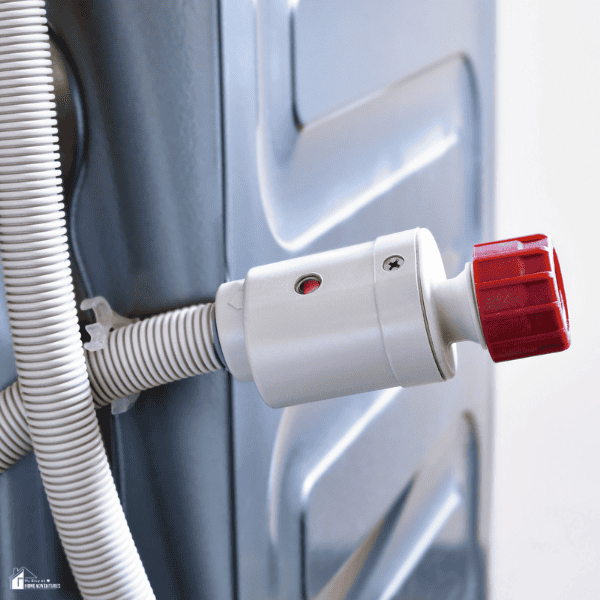
The hoses connecting the washing machine to your home's water supply are a common and easy-to-overlook leak source. These hoses are under constant pressure and degrade over time, developing small cracks or loosening at the connection points.
Pull the machine away from the wall and inspect both the hot and cold supply hoses along their full length, paying particular attention to the fittings at each end.
A hose that feels stiff, shows visible cracking, or has mineral buildup around the connection points is overdue for replacement regardless of whether it is actively leaking yet.
Washing machine supply hoses are inexpensive and replacing them proactively every few years is far cheaper than dealing with a burst hose and the water damage that follows.
The water inlet valve inside the machine can also develop cracks or fail to close completely, allowing water to drip into the drum even when the machine is not running. If you notice water in the drum between cycles, the inlet valve is the likely cause.
Drain Hose and Pump
A leaking drain hose is another frequent culprit, particularly in machines that have been moved or repositioned recently.
The drain hose connects the washing machine to the standpipe or utility sink, and if it is cracked, loose at either connection point, or positioned incorrectly, water escapes during the drain cycle.
Check the hose along its full length and ensure it is secured properly at both ends. The hose should also be inserted to the correct depth into the standpipe — too shallow and water can siphon back or splash out during draining.
The drain pump itself can develop leaks if the pump housing cracks or if debris damages the internal seals. A leak concentrated directly beneath the machine during draining, combined with unusual noise from the pump, points in this direction.
Pump replacement requires partial disassembly of the machine and is generally a job for a technician.
Detergent Drawer and Overflow Issues
Front-load washers are especially sensitive to detergent use. Using too much detergent, or the wrong type, can create excess suds. As a result, water and foam may escape through the detergent drawer, door seal, or even from underneath the machine.
Most high-efficiency washers require HE-rated detergent. In addition, they need the correct amount for each load. Standard detergent creates far more suds than these machines are designed to handle.
Think about any recent changes to your laundry routine. For example, did you switch detergent brands or notice unusually sudsy wash cycles? If so, run a cleaning cycle without detergent first.
Then switch to the proper HE formula. Taking these steps can help rule out a detergent-related issue before you assume a mechanical component has failed.
Tub Seal and Bearing Wear on Top-Loaders
On older top-loading machines, a worn tub seal or bearing can cause water to leak around the agitator shaft. The water often drips beneath the unit and reaches the floor. As a result, finding the source can be difficult. In many cases, the water travels some distance before it becomes visible.
Repairing this problem usually requires extensive disassembly. Therefore, it is one of the more time-consuming washing machine repairs.
Listen for grinding or rumbling noises during the spin cycle. If those sounds occur along with water leaking underneath the machine, worn bearings or a damaged tub seal may be the cause.
In that situation, it is wise to seek a professional assessment. A technician can compare the repair cost with the machine's age and overall condition. This information can help you decide whether repair or replacement is the better option.