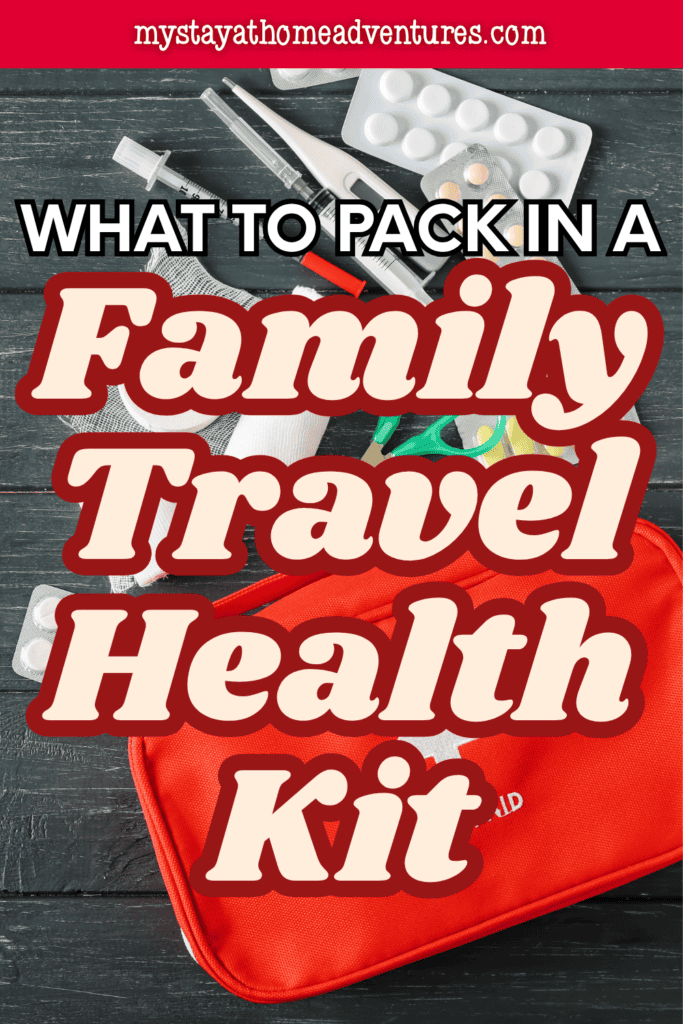
What to Pack in a Family Travel Health Kit
This post may contain affiliate links which might earn us money. Please read my Disclosure and Privacy policies here
Family trips often bring small surprises. A scraped knee appears halfway through a day out, someone develops a headache after a long journey, or an insect bite suddenly becomes the main topic of conversation.
A well-planned travel health kit helps you deal with these everyday problems without hunting for a pharmacy in an unfamiliar place. The trick is to pack for realistic situations while keeping the kit small enough to carry comfortably.
Start With Your Family’s Individual Health Needs
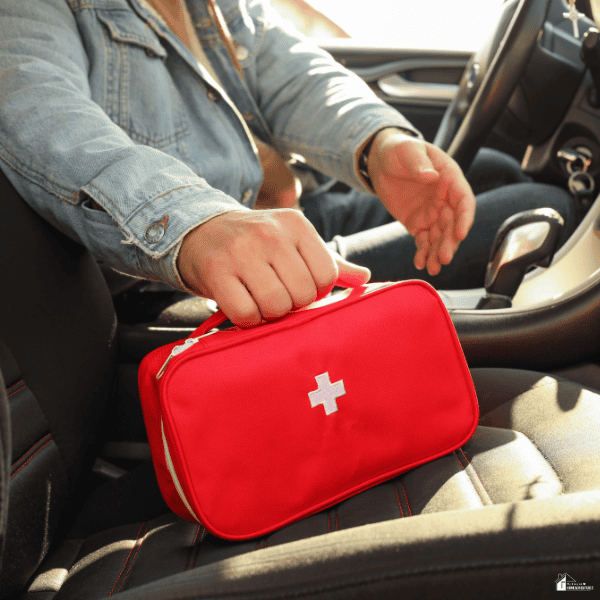
Before buying anything new, look at what each family member already uses. Prescription medicines and products needed for existing health conditions should come first. Pack enough for the trip and consider taking a little extra in case your return journey gets delayed.
Keep medicines in their original packaging where possible, particularly when travelling internationally. Check the rules for carrying medicines into your destination too. Some countries restrict medicines you can legally buy or obtain on prescription at home.
Preparation is also a good opportunity for adults to sort out their health needs rather than focusing entirely on the children. If you need advice on suitable products or treatments before departure, services such as Curely, a UK registered online pharmacy, can offer a convenient way of accessing appropriate healthcare support before you travel.
Pack Basic First-Aid Supplies
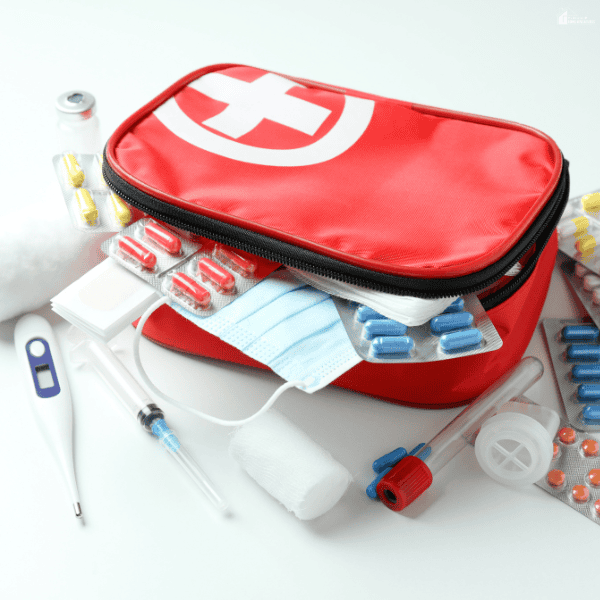
Minor cuts, grazes and blisters are common enough to deserve their own section of the kit. You do not need to carry a miniature hospital. A handful of practical first-aid items can cover many everyday mishaps.
Pack adhesive plasters in several sizes, sterile gauze dressings, medical tape and antiseptic wipes. Small scissors and tweezers can also come in handy, although scissors may need to go in checked luggage when flying. Disposable gloves are useful when cleaning somebody else’s cut or graze.
Blister plasters deserve a place if your holiday involves plenty of walking. Children who happily walk around a theme park, city or nature trail all morning can suddenly discover a painful blister in the afternoon. Treating it early may stop a minor problem from disrupting the rest of the day.
Prepare for Common Aches and Illnesses
Think about the minor health complaints your family typically encounters and pack accordingly. Pain relief suitable for the individual family members can be useful for headaches, toothache, fever and other everyday discomforts.
For children, check that any medicine is appropriate for their age and follow the instructions on the packaging. Use any measuring syringe or spoon supplied with liquid medicine rather than an ordinary teaspoon.
Travel can also upset normal routines, including eating and sleeping patterns. If you plan to carry products for digestive problems, allergies or travel sickness, choose options suitable for the person who may need them. If you're unsure, ask a pharmacist or another qualified healthcare professional.
Avoid filling the kit with medicines simply because you might need them. Curely or another appropriate healthcare service can help adults seek advice before travelling, but your kit should still reflect your family’s actual needs rather than every possible holiday illness.
Think About Your Destination and Activities
A health kit for a weekend city break will look different from one packed for a camping holiday. Once you have covered the basics, consider where you are going and what your family plans to do.
For a sunny destination, pack broad-spectrum sunscreen and remember that sun protection involves more than a bottle of lotion. Hats, suitable clothing and time in the shade all play a part. After-sun products may feel soothing, but they do not replace proper sun protection in the first place.
Insect repellent may be useful in destinations where bites are likely. If you are heading somewhere with specific insect-borne disease risks, seek destination-specific travel health advice well before departure rather than relying on a standard family kit.
Outdoor holidays may call for extra dressings, blister care and tweezers. Long car, ferry or coach journeys might make travel-sickness preparation more relevant. Matching the contents to the itinerary keeps your bag manageable.
Keep the Kit Organized and Accessible
A travel health kit only helps when you can find what you need. Use a clearly marked pouch or small bag and group similar items together. A transparent or compartmented case can save you from emptying everything onto the floor to locate one plaster.
Keep medicines away from young children, even when you need easy access to the wider kit. Follow storage instructions on individual products and take extra care with anything that requires controlled temperatures.
When flying, decide what needs to stay in your hand luggage. Keep prescription medicines and items you could reasonably need during the journey accessible, subject to airport security and airline rules. Do not put everything important in a checked suitcase that could arrive late.
Before each trip, inspect the kit rather than automatically grabbing it from the cupboard. Replace expired products, restock anything you used, and check that the packaging remains intact.
Know What Your Health Kit Can’t Do
Perhaps the most important thing to pack is realistic expectations. A family travel health kit works well for minor problems and helps you manage existing needs, but it cannot replace professional medical care.
Before travelling abroad, find out how to access healthcare at your destination and arrange appropriate travel insurance. Save useful contact details on your phone and keep insurance information somewhere another adult can access.
Seek medical help when symptoms are severe, unusual, rapidly worsening or simply beyond what you feel confident handling yourself. The same applies after an injury that may need professional assessment. When children are involved, it is better to get appropriate medical advice than to rely on guesswork.
Final Thoughts
The best family travel health kit is not necessarily the biggest one. It is the kit built around your family, destination, and plans.
Start with regular medicines, add practical first-aid supplies, prepare for the minor problems your family commonly experiences, and adjust the contents for the activities ahead. Then check expiry dates and storage requirements before leaving home.
A few minutes of thoughtful packing can make those inevitable little holiday mishaps much easier to handle, leaving your family free to get back to the trip.