Bathroom Remodeling Mistakes You’ll Want to Avoid Before You Start
This post may contain affiliate links which might earn us money. Please read my Disclosure and Privacy policies here
If you’re thinking about upgrading your bathroom, it’s easy to get pulled in by tile samples, sleek vanities, and those suspiciously perfect before-and-after photos. In a place like Fairfield, where home value and style often go hand in hand, remodeling choices can have a bigger impact than you expect.
A smart bathroom renovation isn’t just about looks. It’s about function, budget control, and making daily life easier without creating expensive problems later.
Underestimating the Budget
Bathroom remodels have a sneaky way of costing more than expected. You may budget for tile, vanity, and labor, then suddenly discover plumbing updates, water damage, or code-related fixes hiding behind the walls like unwanted plot twists.
A realistic budget includes more than surface materials. You need to factor in demolition, disposal, permits, plumbing, electrical work, waterproofing, and installation. Then add a contingency fund, ideally 10 to 20 percent.
This matters even more in areas with higher labor and material costs. If you’re comparing Fairfield bathroom remodeling companies, pay attention to how detailed their estimates are. A low quote can look attractive at first, but vague pricing often turns into expensive surprises once the work begins.
Starting Without a Clear Plan
A bathroom remodel can go sideways fast when you begin with only a vague idea of what you want. Saying you want it to feel “more modern” sounds nice, but it won’t help much when you’re picking layouts, fixtures, and finishes.
Start with specifics. Think about what annoys you now. Maybe storage is terrible, the lighting makes you look half awake, or the shower feels like a narrow hallway. List priorities in order.
It also helps to decide what success looks like before demolition starts. Do you want better resale appeal, easier cleaning, or a layout that works for a busy household? A plan gives your project direction and keeps impulse decisions from draining your budget one shiny faucet at a time.
Choosing Style Over Function
A stunning bathroom that doesn’t work well becomes annoying very quickly. Open shelving may look great in photos, but it can become a clutter magnet. A trendy vessel sink might impress guests, yet splash water everywhere during normal use.
Function should lead the design. Think about how you actually use the room each day. If two people share the space every morning, double sinks may matter more than a dramatic mirror. If kids use the bathroom, delicate finishes and slippery flooring may not be your best friends.
You should also consider cleaning. Matte black fixtures, for example, can show water spots faster than expected. Good design is not just visual. It supports your routine, holds up over time, and doesn’t create extra chores you never signed up for.
Ignoring Ventilation and Moisture Control
Bathrooms produce humidity like it’s their full-time job. If moisture control gets ignored, even the most beautiful remodel can end up with peeling paint, warped trim, mildew, or mold.
A quality exhaust fan is essential, not optional. It should be sized correctly for the room and vented outside, not into an attic where moisture can linger and cause damage. If your current fan sounds like a jet engine but does almost nothing, that’s a clue.
Waterproofing matters just as much. Behind the tile, you need proper membranes, sealed joints, and solid installation methods. Surface finishes alone won’t protect the structure. Plenty of bathroom problems start where you can’t see them, which is exactly what makes them so expensive when they finally show up.
Picking the Wrong Materials
Not every material that works in other parts of your home belongs in a bathroom. High moisture, frequent cleaning, and temperature swings make this room a different beast.
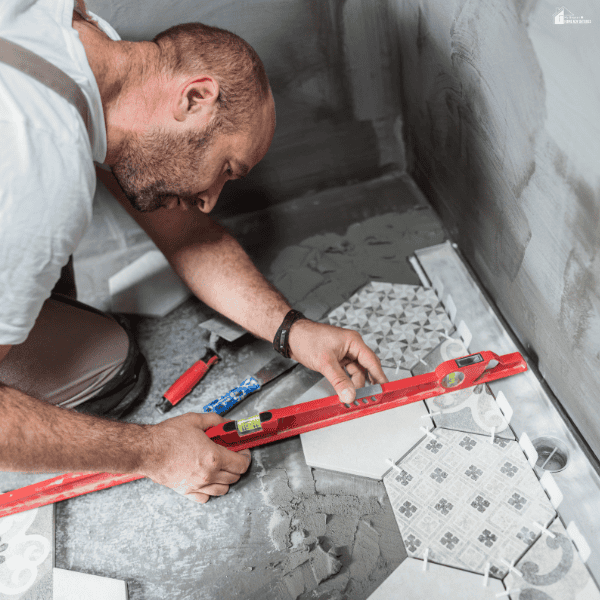
For flooring, slip resistance matters as much as appearance. Polished surfaces may look upscale, but they can become risky when wet. For countertops, some materials need more maintenance than homeowners expect. Natural stone can be gorgeous, but it may require sealing and careful cleaning.
Paint is another common miss. Standard wall paint often struggles in humid spaces. A bathroom-rated product holds up better. The same goes for cabinetry. Materials that aren’t built for moisture may swell or deteriorate faster than you’d like.
Choose products based on real use, not just showroom appeal. A bathroom should be able to handle steam, splashes, and heavy traffic without falling apart under pressure.
Overlooking Layout Problems
A remodel is the perfect time to fix a frustrating layout, yet many homeowners keep awkward setups simply because moving plumbing sounds intimidating. Sometimes keeping everything in place makes sense. Other times, it means spending a lot of money without solving the room’s biggest issue.
Pay attention to movement and spacing. Can the door open without hitting the vanity? Is there enough clearance in front of the toilet? Does the shower feel cramped? Small bathrooms especially need careful planning because every inch carries weight.
Layout affects more than comfort. It shapes storage, accessibility, and how expensive the remodel becomes. Moving plumbing can raise costs, but a smarter arrangement can also improve your daily routine for years. The goal isn’t to redesign for the sake of it. The goal is to make the room work better.
Hiring Without Checking the Details
Choosing a contractor based only on price or availability can backfire hard. A bathroom remodel involves multiple trades, scheduling coordination, code compliance, and detail-heavy work. You need someone who can actually manage all of that, not just talk confidently in your kitchen.
Ask practical questions. Are they licensed and insured? Who handles plumbing and electrical work? What is the payment schedule? How are change orders documented? Can they provide recent local references?
You should also review timelines carefully. A realistic schedule is usually a good sign. Promises that sound too fast can mean corners will be cut or your project will get squeezed between others. Clear communication matters as much as craftsmanship.
If getting straight answers feels difficult before the contract, it probably won’t improve once demolition begins.
Making Choices You’ll Regret Later
The best bathroom remodel balances current taste with long-term usability. It’s tempting to chase every trend, but some choices age quickly or become inconvenient once the novelty fades.
Try to separate timeless elements from easy-to-swap accents. Tile, layout, and major fixtures are harder and more expensive to change later. Hardware, mirrors, paint, and lighting are easier to update. That makes them better places to experiment.
Think ahead, too. If you plan to stay in your home for years, features like curbless showers, better lighting, and more accessible storage can add real value to your everyday life. A bathroom remodel should feel fresh, but it also needs staying power.
Looking good on day one is nice. Still working beautifully five years later is the real flex.