Seven Exterior Warning Signs to Catch Before Winter
This post may contain affiliate links which might earn us money. Please read my Disclosure and Privacy policies here
The first cold snap hits overnight, the wind picks up around dinner, and by morning there's a dark streak running down the siding under a kitchen window. That streak was there in October. Nobody noticed because nobody was looking. Now it's a repair call in the middle of a storm, which is the most expensive kind.
A pre-winter walk around the outside of your house takes about twenty minutes and catches most of the problems that turn small this fall into enormous next February.
Here are the seven things worth looking for, in the order a curious homeowner tends to ask about them.

Where Should You Start Looking First?
Start with the roof, because almost every bad winter story on the exterior starts up there. You don't need to climb anything. Stand across the street with a cup of coffee and look at the lines.
Why Are the Gutters Such a Big Deal?
Clogged gutters are the hidden reason ice dams form. Water backs up, freezes at the eaves, and the next melt has nowhere to go except sideways under the shingles and into the ceiling below.
The Minnesota Department of Commerce points out that the real culprit behind ice dams is warm air leaking from the attic into the roof deck, which melts snow from below.
So two jobs before winter: clear the gutters and downspouts of every leaf, and have someone check attic insulation and air sealing while the weather's still mild.
What About the Siding and Trim?
Siding is the jacket on the house. Loose panels, cracked boards, soft wood trim around windows, or caulk that's pulled away from a seam are all invitations for wind-driven rain and melting snow to get behind the wall. Once water is in the wall cavity in December, it stays there.
Press on the trim under window sills with your thumb. If it gives, the wood is rotting and needs to come out, not a coat of paint over the top.
For anything beyond spot repairs, a reliable siding installation contractor can tell you whether a section can be patched or whether the wall is better off with a full replacement before the first freeze.
Which Openings Leak the Most Heat?
Doors and windows. Weatherstripping gets brittle, door sweeps wear through, and the openings where pipes and cables enter the house tend to widen a little more every year.
This is not a small line item on the utility bill. Air leakage can account for roughly a quarter to 40 percent of the energy used to heat and cool a typical home, per ENERGY STAR.
Replace weatherstripping that's compressed flat, run a bead of exterior caulk around window frames, and foam-seal the openings where hose bibs, dryer vents, and electrical lines come through the siding.
What's Hiding Around the Foundation?
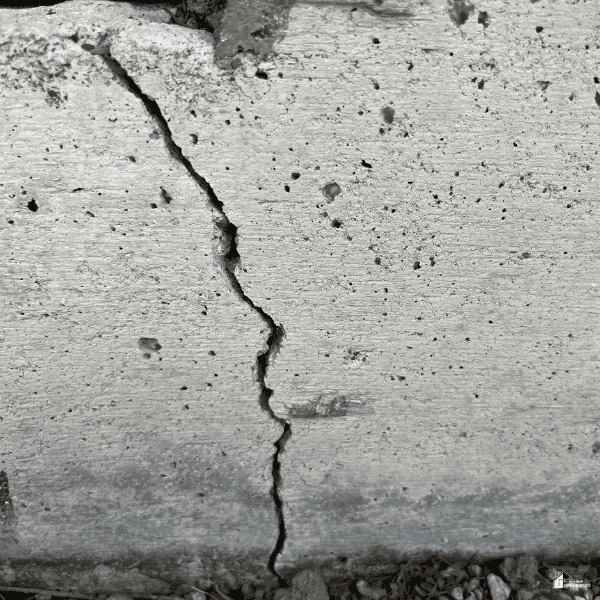
Walk the perimeter and look down. Hairline cracks in the foundation wall are normal. Cracks you can slip a dime into are not.
Water that pools against the foundation in October freezes and expands in January, and that's how small cracks become real ones. Make sure the ground slopes away from the house, downspouts extend at least a few feet past the wall, and any window wells have covers that fit properly.
Don't Forget the Outdoor Plumbing
Disconnect every garden hose before freezing weather arrives. An attached hose can trap water in the outdoor faucet. When that water freezes, it can cause a pipe to split inside the wall. The damage may stay hidden until spring, when someone turns on the faucet and water leaks indoors.
If your home has an interior shutoff valve for outdoor faucets, close it. Then, open the outdoor faucet to let any remaining water drain.
Finally, insulate exposed pipes in crawl spaces, garages, and unheated utility rooms. Foam pipe sleeves from the hardware store can help protect them from freezing.
What's the One Thing Most Homeowners Miss?
Trees. A branch hanging over the garage may look fine all summer. However, heavy, wet snow can bring it down and damage the roof.
Walk around your yard and check your trees carefully. Look for dead branches, split trunks, or trees leaning toward your home, driveway, or power lines. If you spot these warning signs, call an arborist before winter. Firmer ground can also help their truck reach the trees without leaving ruts.
A twenty-minute yard check takes little effort. Catching problems early could save you costly repairs after a storm.